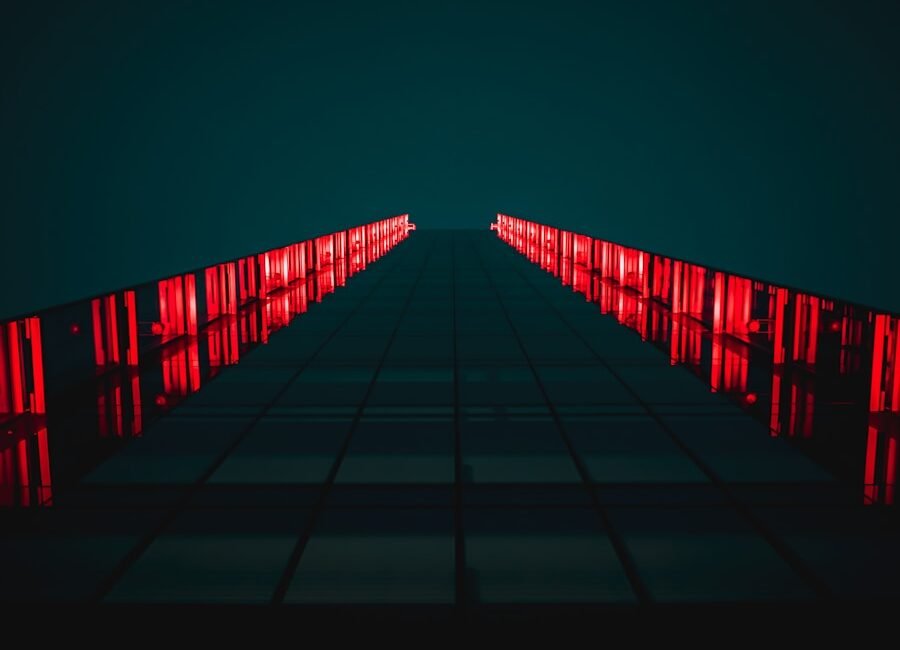

Grid lines are a fundamental tool in photography that serve multiple purposes. They are essentially a visual aid that helps photographers compose their shots with precision and accuracy. By dividing the frame into a series of horizontal and vertical lines, grid lines provide a reference point for aligning the elements within the frame. This can be particularly useful when trying to achieve balance and symmetry in a composition, as well as when applying the rule of thirds and golden ratio. Additionally, grid lines can also be used to create a sense of perspective and depth in an image, adding visual interest and dimension to the final photograph. Understanding the purpose of grid lines is essential for any photographer looking to improve their composition and overall image quality.
Grid lines can also be used to guide the viewer’s eye through the frame, leading them to the main subject or focal point of the photograph. This can help create a sense of visual flow and cohesion within the image, making it more engaging and dynamic. Furthermore, grid lines can also be used to ensure that the horizon line is straight and level, preventing any unintentional tilting or distortion in the final image. Overall, understanding the purpose of grid lines is crucial for photographers looking to elevate their compositions and create visually compelling photographs.
Using Grid Lines to Create Balance and Symmetry
One of the primary uses of grid lines in photography is to create balance and symmetry within a composition. By aligning key elements along the grid lines, photographers can ensure that the various elements within the frame are evenly distributed and harmoniously arranged. This can help create a sense of visual equilibrium and stability, making the composition more pleasing to the eye. Additionally, grid lines can also be used to align the horizon line or other prominent features within the frame, ensuring that they are level and straight. This can help prevent any unintentional tilting or distortion in the final image, resulting in a more polished and professional-looking photograph.
Furthermore, grid lines can also be used to create symmetry within a composition, by aligning key elements along the vertical and horizontal axes. This can help create a sense of order and balance within the frame, making the composition more visually appealing and impactful. By using grid lines to create balance and symmetry, photographers can elevate their compositions and create more compelling and dynamic photographs.
Enhancing Perspective and Depth with Grid Lines
In addition to creating balance and symmetry, grid lines can also be used to enhance perspective and depth within a composition. By aligning key elements along the grid lines, photographers can create a sense of visual depth and dimension within the frame. This can help draw the viewer’s eye into the image, creating a more immersive and engaging viewing experience. Additionally, grid lines can also be used to guide the viewer’s eye through the frame, leading them to the main subject or focal point of the photograph. This can help create a sense of visual flow and cohesion within the image, making it more dynamic and compelling.
Furthermore, grid lines can also be used to create a sense of scale within a composition, by aligning key elements along the grid lines to create a sense of perspective and distance. This can help add visual interest and dimension to the final photograph, making it more visually engaging and impactful. By using grid lines to enhance perspective and depth, photographers can elevate their compositions and create more visually compelling photographs.
Utilizing Grid Lines for Rule of Thirds and Golden Ratio
Grid lines are also essential for applying the rule of thirds and golden ratio in photography. By dividing the frame into a series of horizontal and vertical lines, grid lines provide a reference point for aligning key elements along these compositional guidelines. The rule of thirds involves placing key elements along the intersecting points of the grid lines, creating a sense of visual balance and harmony within the frame. This can help create a more dynamic and visually appealing composition, making the photograph more engaging and impactful.
Similarly, grid lines can also be used to apply the golden ratio in photography, by aligning key elements along the grid lines to create a sense of visual harmony and proportion within the frame. This can help create a more visually compelling and aesthetically pleasing composition, making the photograph more engaging and impactful. By utilizing grid lines for the rule of thirds and golden ratio, photographers can elevate their compositions and create more visually compelling photographs.
Experimenting with Different Grid Line Configurations
Photographers can experiment with different grid line configurations to achieve various compositional effects in their photographs. For example, using a tighter grid configuration with more lines can help create a sense of precision and accuracy within the frame, allowing photographers to align key elements with greater control and precision. On the other hand, using a looser grid configuration with fewer lines can create a more open and spacious composition, allowing for more creative freedom and experimentation within the frame.
Additionally, photographers can also experiment with different orientations of grid lines, such as diagonal or curved lines, to create more dynamic and visually interesting compositions. This can help add visual interest and dimension to the final photograph, making it more engaging and impactful. By experimenting with different grid line configurations, photographers can expand their creative possibilities and create more visually compelling photographs.
Overcoming Challenges and Limitations of Grid Lines
While grid lines are a valuable tool in photography, they also have their limitations and challenges that photographers must be aware of. For example, in certain situations, such as low light or high contrast scenes, grid lines may be difficult to see or may become distracting within the frame. Additionally, in fast-paced or spontaneous shooting situations, such as street photography or photojournalism, there may not always be time to carefully align key elements along the grid lines.
Furthermore, some photographers may find it challenging to incorporate grid lines into their compositions without making them appear too rigid or formulaic. It’s important for photographers to strike a balance between using grid lines as a helpful guide for composition while still allowing for creative freedom and spontaneity within their photographs. By being aware of these challenges and limitations, photographers can develop strategies for overcoming them and using grid lines effectively in their compositions.
Tips for Mastering Grid Lines in Photography
To master grid lines in photography, it’s important for photographers to practice using them regularly in their compositions. This will help them develop an intuitive understanding of how to use grid lines effectively to create balance, symmetry, perspective, and depth within their photographs. Additionally, photographers should experiment with different grid line configurations and orientations to expand their creative possibilities and develop their own unique style.
Furthermore, photographers should also be mindful of not relying too heavily on grid lines as a crutch for composition. While they are a valuable tool for guiding composition, it’s important for photographers to also trust their instincts and intuition when composing their shots. By striking a balance between using grid lines as a helpful guide for composition while still allowing for creative freedom and spontaneity within their photographs, photographers can master grid lines in photography and create more visually compelling images.
In conclusion, understanding the purpose of grid lines is essential for any photographer looking to improve their composition and overall image quality. By using grid lines to create balance and symmetry, enhance perspective and depth, apply the rule of thirds and golden ratio, experiment with different configurations, overcome challenges and limitations, and master their use in photography, photographers can elevate their compositions and create more visually compelling photographs. With practice and experimentation, photographers can develop their own unique style and approach to using grid lines effectively in their compositions.