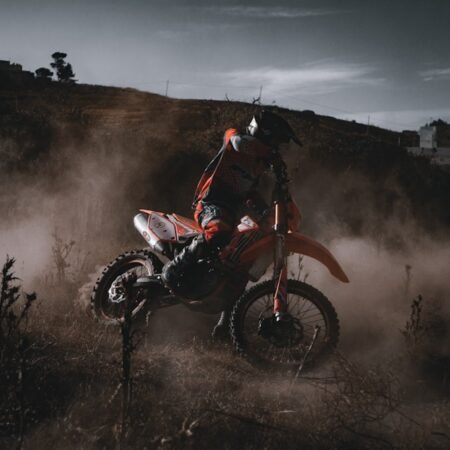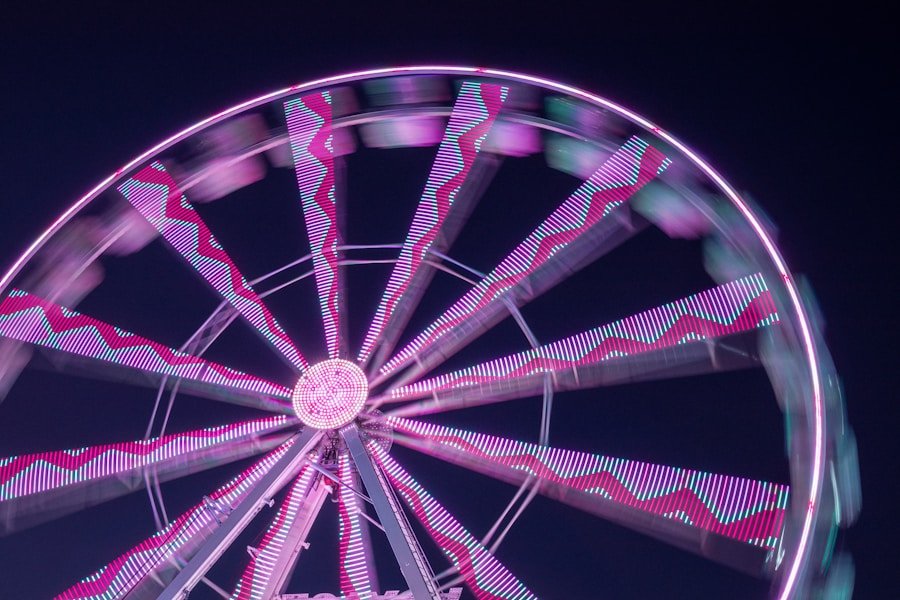

Motion blur in photography refers to the effect of capturing a moving subject with a slow shutter speed, resulting in a blurred or streaked appearance. This technique can add a sense of movement and dynamism to an image, making it a powerful tool for conveying action and energy. Understanding how motion blur works is essential for mastering this technique and creating compelling photographs.
When a camera’s shutter is open for an extended period of time, any movement within the frame will be recorded as a blur. This can be intentional, as in the case of capturing a speeding car or a running athlete, or it can be unintentional, such as when the photographer’s hand shakes while taking a photo. To achieve intentional motion blur, photographers must carefully select the appropriate shutter speed and panning technique to convey the desired sense of movement. It’s important to note that motion blur is not limited to fast-moving subjects; it can also be used to convey a sense of tranquility and fluidity in slower-moving scenes, such as flowing water or swaying trees. By understanding the principles of motion blur, photographers can effectively use this technique to enhance their images and tell compelling visual stories.
Choosing the Right Settings for Motion Blur
Selecting the right camera settings is crucial for achieving the desired motion blur effect in photography. The most important setting to consider is the shutter speed, which determines how long the camera’s sensor is exposed to light. A slower shutter speed, such as 1/30 of a second or longer, is typically used to capture motion blur. However, the exact shutter speed will depend on the speed of the subject and the desired amount of blur. For fast-moving subjects, a slower shutter speed may be necessary to create a pronounced blur, while slower-moving subjects may only require a slightly slower shutter speed to achieve the desired effect.
In addition to shutter speed, photographers should also consider their aperture and ISO settings when capturing motion blur. A wider aperture (lower f-stop number) allows more light to enter the camera, which can be beneficial when shooting in low-light conditions or when using a slow shutter speed. However, a wider aperture also results in a shallower depth of field, so photographers must carefully consider their focus and composition when using this setting. As for ISO, a lower sensitivity (such as ISO 100) is generally preferred for capturing motion blur to minimize digital noise and maintain image quality. By carefully selecting the appropriate camera settings, photographers can effectively control the amount of motion blur in their images and achieve the desired visual impact.
Capturing Dynamic Action with Motion Blur
Capturing dynamic action with motion blur requires careful planning and precise execution to convey a sense of movement and energy in the final image. One effective technique for achieving this effect is panning, which involves moving the camera along with the subject’s movement while using a slow shutter speed. This allows the subject to remain relatively sharp while the background becomes blurred, creating a strong sense of motion and direction. To achieve successful panning shots, photographers should practice their technique and experiment with different shutter speeds and panning movements to find the optimal balance between subject sharpness and background blur.
Another approach to capturing dynamic action with motion blur is to use long exposure photography, which involves using an extended shutter speed to capture the continuous movement of a subject. This technique is particularly effective for capturing flowing water, moving clouds, or other slow-moving subjects with a sense of fluidity and motion. By carefully selecting the appropriate shutter speed and composition, photographers can create visually striking images that convey a sense of dynamic action and energy. Whether using panning or long exposure techniques, capturing dynamic action with motion blur requires patience, practice, and a keen eye for composition to create compelling and impactful photographs.
Experimenting with Different Subjects for Motion Blur
Experimenting with different subjects for motion blur photography allows photographers to explore the diverse ways in which this technique can be used to convey movement and energy in their images. Fast-moving subjects such as athletes, vehicles, or wildlife are popular choices for capturing dynamic action with motion blur. By using a slow shutter speed and precise panning technique, photographers can create striking images that convey a strong sense of speed and motion. Additionally, slower-moving subjects such as flowing water, swaying trees, or people walking can also be effectively captured with motion blur to convey a sense of tranquility and fluidity in the final image.
In addition to traditional subjects, photographers can also experiment with abstract and experimental approaches to motion blur photography. This may involve intentionally moving the camera during exposure, using intentional camera shake, or incorporating intentional movement into the composition to create unique and visually compelling images. By thinking outside the box and exploring unconventional subjects and techniques, photographers can push the boundaries of motion blur photography and create innovative and impactful images that captivate viewers and evoke emotion.
Incorporating Motion Blur for Artistic Effects
Incorporating motion blur for artistic effects allows photographers to use this technique as a creative tool for expressing emotion and storytelling in their images. By intentionally introducing motion blur into their compositions, photographers can add a sense of drama, energy, and dynamism to their photographs. This can be particularly effective in conveying a sense of urgency or excitement in action-packed scenes, such as sports events or street photography. Additionally, incorporating motion blur can also be used to create a dreamy or ethereal atmosphere in landscape or portrait photography, adding a sense of movement and fluidity to the final image.
Furthermore, incorporating motion blur for artistic effects can also be used to convey a sense of time and change in photography. By capturing long exposure shots of moving clouds, flowing water, or bustling city streets, photographers can create visually striking images that convey the passage of time and the transient nature of life. This can add depth and meaning to their photographs, allowing viewers to connect with the emotions and stories behind the images. By incorporating motion blur for artistic effects, photographers can elevate their work beyond mere documentation and create visually compelling images that resonate with viewers on an emotional level.
Post-Processing Techniques for Enhancing Motion Blur
Post-processing techniques for enhancing motion blur allow photographers to fine-tune their images and achieve the desired visual impact. One common approach is to use selective blurring or sharpening tools in editing software to enhance or reduce the amount of motion blur in specific areas of the image. This can be particularly useful for refining the overall composition and directing the viewer’s attention to key elements within the frame. Additionally, adjusting contrast, saturation, and color balance can further enhance the visual impact of motion blur in photography, adding depth and vibrancy to the final image.
Another effective post-processing technique for enhancing motion blur is to use creative filters or overlays to add texture and dimension to the image. This can be particularly effective for adding a sense of drama or atmosphere to the photograph, creating visually compelling images that captivate viewers’ attention. Furthermore, experimenting with different post-processing techniques such as black-and-white conversion, color toning, or digital manipulation can further enhance the artistic effects of motion blur in photography. By carefully refining their images through post-processing techniques, photographers can elevate their work and create visually striking photographs that convey a strong sense of movement and energy.
Tips for Mastering Motion Blur Photography
Mastering motion blur photography requires practice, patience, and a keen eye for composition to effectively convey movement and energy in images. One important tip is to experiment with different shutter speeds and panning techniques to find the optimal balance between subject sharpness and background blur. This may involve practicing with moving subjects such as athletes or vehicles to refine your technique and achieve compelling results. Additionally, carefully selecting your camera settings such as aperture and ISO can further enhance your ability to capture dynamic action with motion blur.
Furthermore, mastering motion blur photography also involves exploring different subjects and creative approaches to convey movement and energy in your images. Whether capturing fast-moving subjects with precise panning techniques or experimenting with abstract and experimental approaches, pushing the boundaries of motion blur photography allows you to create innovative and impactful images that captivate viewers’ attention. Additionally, incorporating motion blur for artistic effects through post-processing techniques can further enhance your ability to convey emotion and storytelling in your photographs.
In conclusion, mastering motion blur photography requires a combination of technical skill, creative vision, and experimentation to effectively convey movement and energy in your images. By understanding how motion blur works and carefully selecting your camera settings, you can achieve compelling results that captivate viewers’ attention. Additionally, experimenting with different subjects and creative approaches allows you to push the boundaries of motion blur photography and create visually striking images that resonate on an emotional level. With practice and dedication, mastering motion blur photography allows you to elevate your work beyond mere documentation and create impactful photographs that tell compelling visual stories.