
Quality filters are an essential tool for any drone photographer looking to capture stunning aerial images and videos. These filters are designed to enhance the quality of the images and videos captured by drones by reducing glare, improving color saturation, and controlling exposure. Without quality filters, drone photographers may struggle to achieve the professional-level results they desire. Whether you are a hobbyist or a professional drone photographer, investing in quality filters is crucial for achieving the best possible results.
Quality filters are designed to fit over the lens of a drone’s camera, allowing photographers to control the amount of light that enters the lens. This is particularly important when shooting in bright sunlight, as excessive light can cause overexposure and wash out the colors in the image. By using filters to control the amount of light that enters the lens, photographers can achieve more balanced and vibrant images. Additionally, quality filters can help reduce glare and reflections, resulting in clearer and more detailed images. Overall, quality filters are an essential tool for any drone photographer looking to capture high-quality aerial images and videos.
How Filters Enhance the Quality of Aerial Images and Videos
Filters play a crucial role in enhancing the quality of aerial images and videos captured by drones. One of the key benefits of using filters is their ability to reduce glare and reflections, resulting in clearer and more detailed images. This is particularly important when shooting in bright sunlight, as excessive glare can wash out the colors in the image and reduce overall image quality. By using filters to reduce glare, photographers can capture more vibrant and balanced images.
In addition to reducing glare, filters also help improve color saturation and contrast in aerial images and videos. This is achieved by controlling the amount of light that enters the lens, allowing photographers to achieve more vibrant and true-to-life colors. Filters also help control exposure, allowing photographers to capture well-balanced images in a variety of lighting conditions. Overall, filters play a crucial role in enhancing the quality of aerial images and videos captured by drones, making them an essential tool for any drone photographer.
Protecting Your Drone’s Lens with High-Quality Filters
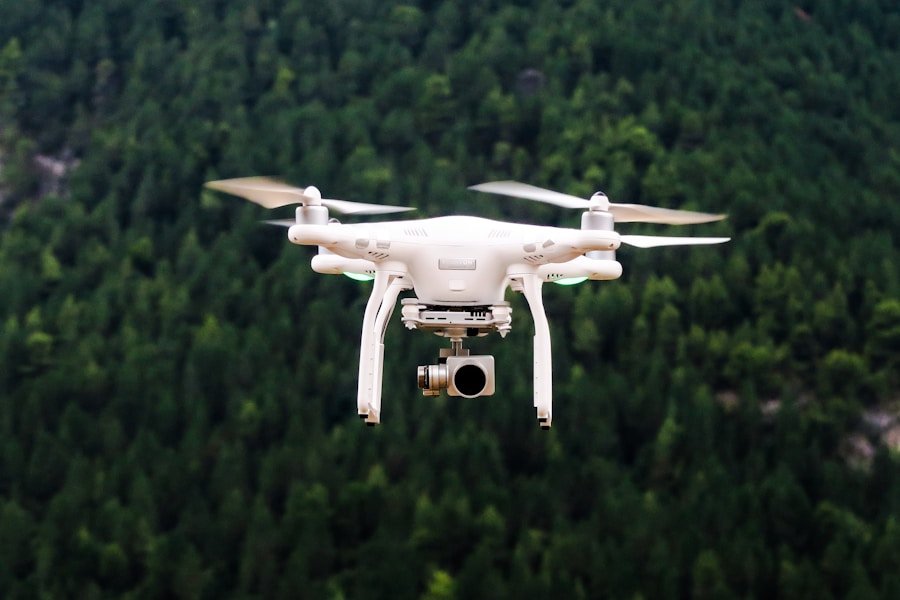
In addition to enhancing the quality of aerial images and videos, high-quality filters also play a crucial role in protecting your drone’s lens. Drones are often used in challenging environments, such as windy or dusty conditions, which can pose a risk to the lens of the drone’s camera. By using high-quality filters, photographers can protect their drone’s lens from dust, dirt, and scratches, ensuring that it remains in optimal condition for capturing high-quality images and videos.
High-quality filters are designed to fit securely over the lens of a drone’s camera, providing an additional layer of protection against dust and debris. This is particularly important for photographers who frequently shoot in outdoor environments, as dust and debris can easily accumulate on the lens of the drone’s camera. By using high-quality filters to protect the lens, photographers can ensure that their drone’s camera remains in optimal condition for capturing stunning aerial images and videos.
Understanding Different Types of Filters and Their Uses
There are several different types of filters available for drone photography, each with its own unique set of uses and benefits. One of the most common types of filters is the polarizing filter, which is designed to reduce glare and reflections in aerial images and videos. Polarizing filters are particularly useful when shooting in bright sunlight, as they can help improve color saturation and contrast while reducing glare.
Another popular type of filter is the neutral density (ND) filter, which is designed to control exposure by reducing the amount of light that enters the lens. ND filters are particularly useful for capturing well-balanced images in bright lighting conditions, as they allow photographers to achieve more natural-looking exposures without overexposing the image. Additionally, ND filters can also be used to achieve motion blur effects in videos by slowing down the shutter speed.
How Filters Improve Control Over Exposure and Light Conditions
One of the key benefits of using filters for drone photography is their ability to improve control over exposure and light conditions. By using filters to control the amount of light that enters the lens, photographers can achieve more balanced and well-exposed images in a variety of lighting conditions. This is particularly important when shooting in bright sunlight, as excessive light can cause overexposure and wash out the colors in the image.
Filters also play a crucial role in improving control over light conditions by reducing glare and reflections in aerial images and videos. By using filters to reduce glare, photographers can capture clearer and more detailed images with improved color saturation and contrast. Overall, filters provide photographers with greater control over exposure and light conditions, allowing them to capture high-quality aerial images and videos in a variety of environments.
The Cost-Effectiveness of Investing in Quality Filters for Your Drone
While investing in quality filters for your drone may require an initial financial investment, it is ultimately a cost-effective decision for any serious drone photographer. Quality filters are designed to enhance the quality of aerial images and videos while also protecting your drone’s lens from dust, dirt, and scratches. By using quality filters, photographers can achieve professional-level results without having to invest in expensive camera equipment or editing software.
In addition to their cost-effectiveness, quality filters also offer long-term benefits for drone photographers. By protecting your drone’s lens from dust and debris, quality filters can help extend the lifespan of your drone’s camera equipment, ultimately saving you money on costly repairs or replacements. Overall, investing in quality filters for your drone is a cost-effective decision that can help you achieve professional-level results while also protecting your equipment.
Tips for Choosing the Right Filters for Your Drone
When choosing filters for your drone, it is important to consider the specific needs of your photography style and the environments in which you typically shoot. For example, if you frequently shoot in bright sunlight, a polarizing filter may be a valuable addition to your kit as it can help reduce glare and improve color saturation. On the other hand, if you often shoot in low-light conditions, an ND filter may be more beneficial as it can help control exposure and improve image quality.
It is also important to consider the quality of the filters you are purchasing, as low-quality filters may not provide the level of protection or image enhancement that you desire. Look for reputable brands that offer high-quality filters with durable construction and multi-coated glass for optimal performance. Additionally, consider investing in a filter kit that includes a variety of filter types to cover a range of shooting scenarios. By choosing the right filters for your drone, you can enhance the quality of your aerial images and videos while also protecting your equipment for long-term use.