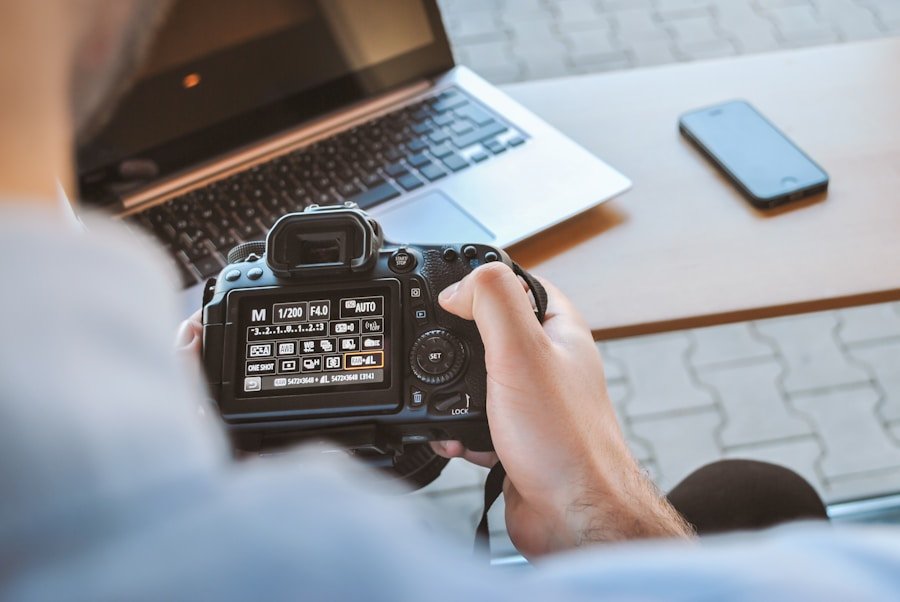

The exposure triangle is a fundamental concept in photography that refers to the three key elements that determine the exposure of an image: ISO, aperture, and shutter speed. Understanding how these three factors work together is essential for achieving the perfect exposure in your photographs. Each element has its own unique role in controlling the amount of light that reaches the camera’s sensor, and mastering the exposure triangle is crucial for creating well-exposed and visually appealing images.
Understanding ISO: The Sensitivity of Your Camera’s Sensor
ISO, which stands for International Organization for Standardization, is a measure of the sensitivity of your camera’s sensor to light. A lower ISO setting (such as ISO 100) makes the sensor less sensitive to light, while a higher ISO setting (such as ISO 1600) makes it more sensitive. In practical terms, a lower ISO is ideal for shooting in bright conditions, while a higher ISO is necessary for low-light situations. However, increasing the ISO also introduces digital noise into the image, which can degrade image quality. Therefore, it’s important to find the right balance between sensitivity and image quality when setting the ISO for your photographs.
When shooting in bright daylight, a low ISO setting is typically sufficient to capture well-exposed images without introducing noise. On the other hand, shooting in low-light conditions requires a higher ISO to compensate for the lack of available light. Modern digital cameras have made significant advancements in reducing noise at higher ISO settings, but it’s still important to be mindful of the trade-off between sensitivity and image quality when adjusting the ISO.
Exploring Aperture: Controlling the Depth of Field in Your Photos
Aperture refers to the size of the opening in the lens through which light passes into the camera. It is measured in f-stops, with smaller f-stop numbers indicating larger apertures and larger f-stop numbers indicating smaller apertures. The aperture not only controls the amount of light that reaches the camera’s sensor but also plays a crucial role in determining the depth of field in your photographs.
A larger aperture (represented by a smaller f-stop number, such as f/2.8) creates a shallow depth of field, resulting in a blurred background and emphasizing the subject in the foreground. This effect is often used in portrait photography to isolate the subject from the background and create a visually appealing image. On the other hand, a smaller aperture (represented by a larger f-stop number, such as f/16) produces a greater depth of field, keeping both the foreground and background in sharp focus. This is commonly used in landscape photography to capture intricate details throughout the entire scene.
Understanding how aperture affects depth of field is essential for controlling the visual impact of your photographs. By adjusting the aperture to achieve the desired depth of field, you can create images that effectively convey your artistic vision and capture the viewer’s attention.
Mastering Shutter Speed: Capturing Motion and Controlling Exposure
Shutter speed refers to the length of time that the camera’s shutter remains open to allow light to reach the sensor. It is measured in fractions of a second, such as 1/500s or 1/30s, with faster shutter speeds allowing for shorter exposure times and slower shutter speeds allowing for longer exposure times. The choice of shutter speed not only determines how motion is captured in a photograph but also plays a crucial role in controlling exposure.
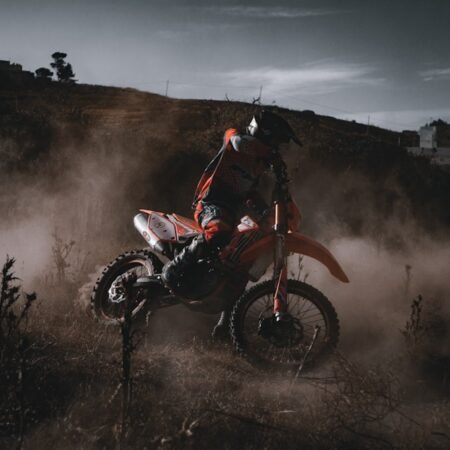
A fast shutter speed (such as 1/1000s) freezes motion and is ideal for capturing fast-moving subjects, such as sports or wildlife photography. On the other hand, a slow shutter speed (such as 1/30s) creates motion blur and can be used to convey a sense of movement in a photograph, such as flowing water or moving vehicles. However, using a slow shutter speed also increases the risk of camera shake, which can result in blurry images. Therefore, it’s important to use a tripod or other stabilizing equipment when shooting at slow shutter speeds to ensure sharpness in your photographs.
In addition to capturing motion, shutter speed also plays a crucial role in controlling exposure. A faster shutter speed reduces the amount of light that reaches the sensor, while a slower shutter speed allows for more light to be captured. By adjusting the shutter speed, you can effectively control the exposure of your photographs and create visually compelling images that convey a sense of movement or stillness.
Balancing the Exposure Triangle: Finding the Perfect Combination
The key to achieving the perfect exposure in your photographs lies in finding the right balance between ISO, aperture, and shutter speed. Each element of the exposure triangle has its own unique impact on exposure and image quality, and understanding how they work together is essential for creating well-exposed and visually appealing images.
When shooting in bright conditions, such as on a sunny day, you may want to use a low ISO to minimize noise, a smaller aperture to control depth of field, and a faster shutter speed to freeze motion. On the other hand, shooting in low-light conditions may require a higher ISO for increased sensitivity, a larger aperture for shallow depth of field, and a slower shutter speed to allow more light to reach the sensor.
By carefully adjusting each element of the exposure triangle to suit the specific lighting conditions and creative vision for your photographs, you can achieve the perfect balance of sensitivity, depth of field, and motion capture to create stunning images that effectively convey your artistic vision.
Tips for Using the Exposure Triangle in Different Lighting Situations
When shooting in bright daylight, it’s important to use a low ISO setting to minimize noise and maintain image quality. A smaller aperture can be used to control depth of field and keep both foreground and background in sharp focus, while a faster shutter speed can freeze motion and capture fast-moving subjects with clarity.
In low-light conditions, such as at dusk or indoors, a higher ISO setting may be necessary to increase sensitivity and capture enough light for well-exposed images. A larger aperture can be used to create a shallow depth of field and isolate the subject from the background, while a slower shutter speed can allow more light to reach the sensor and produce visually compelling images with motion blur.
When shooting moving subjects, such as sports or wildlife photography, it’s important to use a fast shutter speed to freeze motion and capture sharp images. A higher ISO setting may be necessary in low-light conditions to maintain fast shutter speeds without compromising exposure.
Applying Your Knowledge of the Exposure Triangle to Improve Your Photography
Mastering the exposure triangle is essential for achieving well-exposed and visually appealing images in photography. By understanding how ISO, aperture, and shutter speed work together to control exposure and image quality, you can effectively convey your artistic vision through stunning photographs that capture the viewer’s attention.
By carefully balancing sensitivity, depth of field, and motion capture through the use of ISO, aperture, and shutter speed, you can create images that effectively convey your creative vision and leave a lasting impression on your audience. Whether shooting in bright daylight or low-light conditions, mastering the exposure triangle is crucial for achieving consistent results and improving your photography skills.
By applying your knowledge of the exposure triangle to different lighting situations and creative visions for your photographs, you can effectively control exposure and create visually compelling images that showcase your unique perspective as a photographer. With practice and experimentation, you can refine your understanding of the exposure triangle and use it as a powerful tool for creating stunning images that effectively convey your artistic vision.