
Slow motion is a technique used in cinematography to capture and display movement at a much slower rate than it occurs in real life. This effect can be achieved by recording footage at a higher frame rate than the standard 24 frames per second (fps) used in traditional filmmaking. When played back at the standard frame rate, the footage appears to move in slow motion. Slow motion can be used to highlight details that are often missed at normal speed, such as the flutter of a butterfly’s wings or the splash of water droplets. It can also add a dramatic and artistic element to a scene, creating a sense of tension or beauty.
To achieve slow motion, it is important to understand the relationship between frame rate and playback speed. The higher the frame rate, the slower the playback speed will appear. For example, footage shot at 60 fps and played back at 24 fps will appear to move at 40% of its original speed. This means that the higher the frame rate, the more detail and smoothness can be captured in the movement. However, shooting at higher frame rates also requires more light and storage space, so it is important to consider these factors when planning a slow motion shoot.
Choosing the Right Camera and Settings for Slow Motion
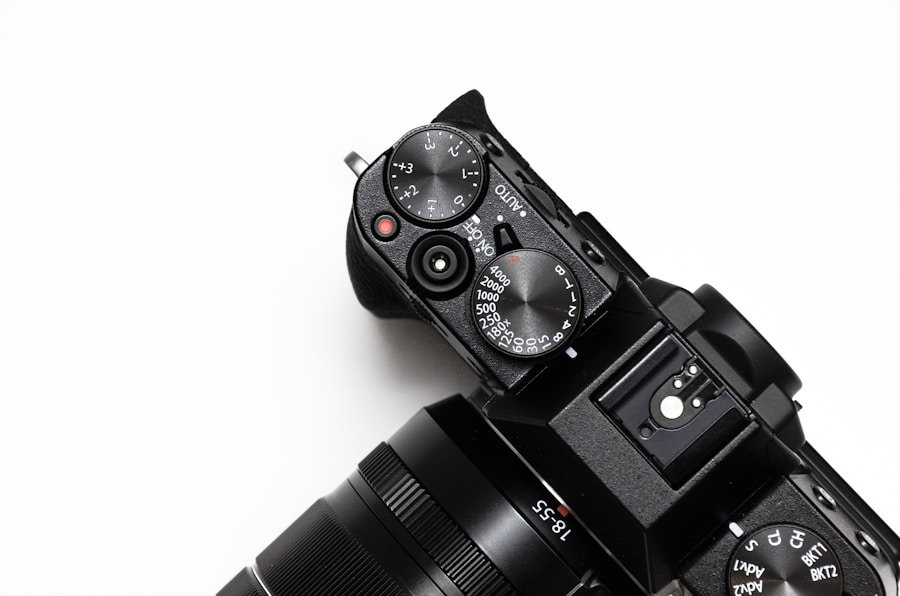
When it comes to capturing stunning slow motion footage, choosing the right camera and settings is crucial. Many modern digital cameras and smartphones offer the ability to shoot in slow motion, but not all are created equal. For professional-grade slow motion, it is best to use a camera that can shoot at high frame rates, such as 120 fps or higher. This will allow for the smoothest and most detailed slow motion footage.
In addition to frame rate, it is important to consider resolution and codec options when choosing a camera for slow motion. Higher resolution cameras will capture more detail, while certain codecs may offer better compression and quality for slow motion footage. It is also important to consider the camera’s sensor size and low-light performance, as shooting at high frame rates often requires more light. Finally, it is important to consider the camera’s ability to handle slow motion in terms of storage space and processing power. Some cameras may require high-speed memory cards and powerful processors to handle the demands of shooting in slow motion.
Lighting and Composition for Slow Motion Shots
In addition to choosing the right camera and settings, lighting and composition play a crucial role in capturing stunning slow motion shots. Lighting is especially important when shooting in slow motion, as higher frame rates require more light to capture smooth and detailed footage. It is important to use soft, diffused lighting to minimize harsh shadows and create a more flattering look for slow motion subjects. Natural light can also be a great option for slow motion, as it can add a beautiful and organic quality to the footage.
Composition is another key element in capturing compelling slow motion shots. When shooting in slow motion, it is important to consider the movement and flow of the subject within the frame. Paying attention to details such as leading lines, symmetry, and negative space can help create visually striking slow motion shots. It is also important to consider the use of depth of field and focus when composing slow motion shots, as these elements can add depth and dimension to the footage.
Using Slow Motion to Enhance Storytelling
Slow motion can be a powerful tool for enhancing storytelling in film and video. By slowing down the pace of a scene, filmmakers can draw attention to specific details or emotions that may be overlooked at normal speed. For example, slow motion can be used to highlight a character’s reaction to a pivotal moment, or to emphasize the beauty of a natural landscape. Slow motion can also be used to create a sense of tension or anticipation in a scene, adding depth and drama to the storytelling.
In addition to enhancing emotional impact, slow motion can also be used to convey information or highlight important details in a scene. For example, slow motion can be used to showcase the intricate movements of a dance performance or the precision of a sports play. By slowing down the action, filmmakers can provide viewers with a deeper understanding and appreciation of the subject matter. Ultimately, using slow motion effectively in storytelling requires careful consideration of pacing, timing, and emotional impact to create a meaningful and impactful visual experience for the audience.
Advanced Techniques for Achieving Stunning Slow Motion Footage
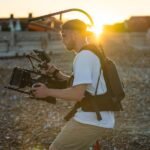
In addition to basic camera settings and composition, there are several advanced techniques that can be used to achieve stunning slow motion footage. One technique is ramping, which involves gradually changing the speed of a shot within the same clip. This can create a dynamic and visually engaging effect, allowing for seamless transitions between normal speed and slow motion. Another advanced technique is using specialized equipment such as gimbals or stabilizers to capture smooth and steady slow motion shots. These tools can help eliminate unwanted camera shake and create a more professional look for slow motion footage.
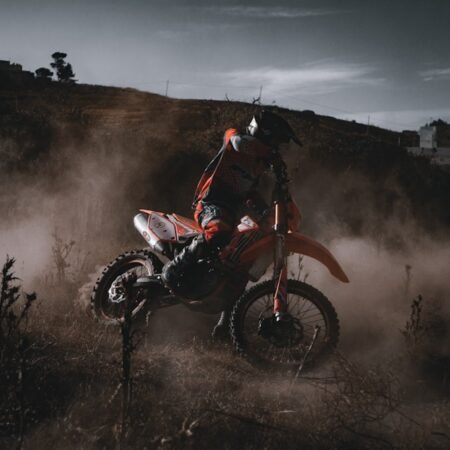
Another advanced technique for achieving stunning slow motion footage is using practical effects such as smoke, water, or dust to add visual interest and texture to the shot. These elements can add depth and dimension to slow motion footage, creating a more immersive and captivating visual experience for the audience. Additionally, experimenting with different camera movements such as panning, tilting, or tracking shots can add dynamic movement and energy to slow motion footage. By combining these advanced techniques with careful planning and creativity, filmmakers can achieve truly stunning slow motion footage that captivates and inspires viewers.
Post-Production Tips for Editing Slow Motion Footage
Once slow motion footage has been captured, it is important to carefully edit and process the footage in post-production to achieve the desired look and feel. One important consideration when editing slow motion footage is timing and pacing. By carefully selecting which moments to slow down and which moments to keep at normal speed, filmmakers can create a sense of rhythm and flow that enhances the emotional impact of the footage. It is also important to consider color grading and visual effects when editing slow motion footage, as these elements can add depth and dimension to the final product.
In addition to timing and pacing, it is important to consider sound design when editing slow motion footage. By carefully selecting music, sound effects, and ambient noise, filmmakers can enhance the emotional impact of slow motion shots and create a more immersive experience for the audience. It is also important to consider how sound design can complement the visual elements of slow motion footage, creating a cohesive and impactful audio-visual experience.
Showcasing Your Slow Motion Masterpieces: Sharing and Distribution Strategies
Once slow motion footage has been edited and processed, it is important to consider how to showcase and distribute the final product. One effective strategy for sharing slow motion masterpieces is through social media platforms such as Instagram, YouTube, or Vimeo. These platforms allow filmmakers to reach a wide audience and engage with viewers through comments, likes, and shares. It is also important to consider creating a professional website or portfolio to showcase slow motion work, allowing potential clients or collaborators to easily access and view the footage.
In addition to online platforms, showcasing slow motion masterpieces at film festivals or industry events can be an effective way to gain exposure and recognition for your work. Film festivals provide an opportunity for filmmakers to connect with industry professionals, network with other creatives, and gain valuable feedback on their work. Finally, it is important to consider distribution strategies such as licensing your work for commercial use or collaborating with brands or organizations that align with your creative vision. By carefully considering these sharing and distribution strategies, filmmakers can effectively showcase their slow motion masterpieces and reach a wider audience with their work.