
When it comes to photography, the most essential piece of equipment is the camera. There are a wide variety of cameras available on the market, ranging from point-and-shoot models to professional DSLRs. Each type of camera has its own set of features and capabilities, so it’s important to choose one that best suits your needs and budget. For professional photographers, a DSLR camera is often the preferred choice due to its ability to capture high-quality images and its versatility in terms of interchangeable lenses.
In addition to the camera itself, lenses are also a crucial component of a photographer’s toolkit. Different lenses offer different focal lengths, apertures, and zoom capabilities, allowing photographers to capture a wide range of subjects and styles. From wide-angle lenses for landscape photography to telephoto lenses for wildlife and sports photography, having a selection of lenses at your disposal can greatly enhance the quality and variety of your work. It’s important to invest in high-quality lenses that are compatible with your camera body in order to achieve the best results.
Lighting Equipment
Lighting is another key element in photography, as it can greatly impact the mood, tone, and overall quality of an image. Natural light is often preferred by many photographers for its soft, flattering qualities, but artificial lighting can also be used to great effect in a variety of settings. Studio lighting equipment such as softboxes, umbrellas, and strobes can be used to control and manipulate light in a controlled environment, allowing photographers to create the desired look and feel for their images.
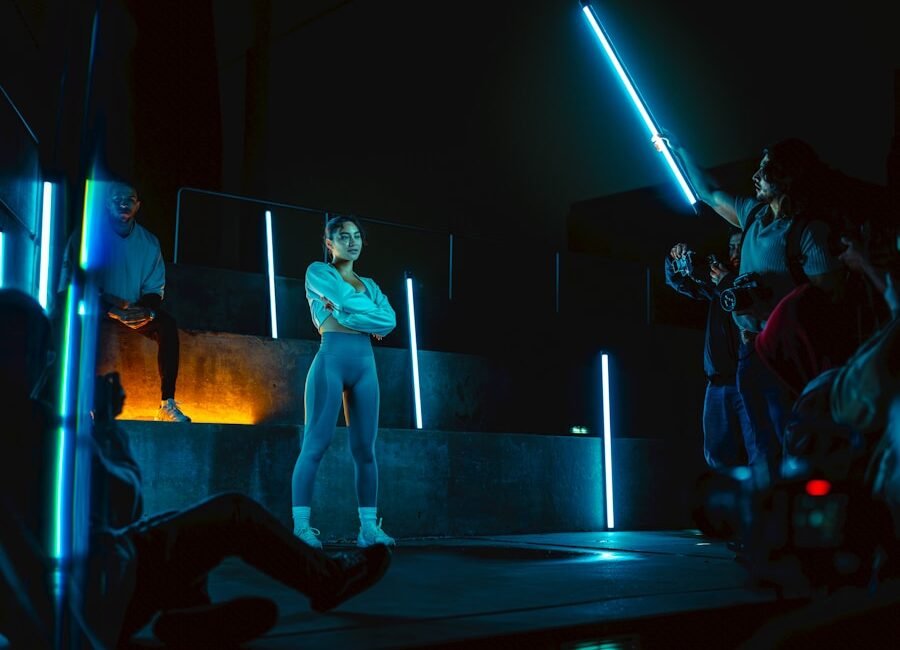
In addition to studio lighting, portable lighting options such as speedlights and LED panels are essential for on-location shoots where natural light may be limited or unpredictable. These compact and versatile lighting tools can be easily transported and set up to provide additional illumination or fill light as needed. Understanding how to use and manipulate light is a fundamental skill for photographers, and having the right lighting equipment at your disposal is crucial for achieving professional results.
Tripods and Camera Supports
Stability is key when it comes to capturing sharp, clear images, especially in low light or long exposure situations. Tripods and other camera supports such as monopods and stabilizers are essential tools for ensuring that your camera remains steady and secure during a shoot. Tripods come in a variety of sizes and materials, from lightweight carbon fiber models for travel and outdoor photography to heavy-duty aluminum tripods for studio work.
Monopods are another popular choice for photographers who need added stability without the bulk of a tripod. These single-legged supports are ideal for sports, wildlife, and event photography where mobility is key. Stabilizers such as gimbals and sliders are also valuable tools for videographers who need smooth, steady footage while on the move. Investing in high-quality camera supports is essential for achieving professional results and expanding your creative capabilities.
Backdrops and Props
Creating a compelling and visually appealing setting for your subjects is an important aspect of photography, particularly in portrait, product, and still life photography. Backdrops and props can be used to enhance the mood, theme, and composition of an image, adding depth and interest to the final result. Backdrops come in a variety of materials and colors, from seamless paper rolls to fabric backdrops, allowing photographers to create a clean, professional look or a more textured, artistic feel.
Props such as furniture, plants, textiles, and other decorative elements can be used to add context and visual interest to a scene. Whether you’re shooting in a studio or on location, having a selection of backdrops and props at your disposal can greatly enhance the versatility and creativity of your work. It’s important to choose backdrops and props that complement your subject matter and style, adding visual interest without overwhelming the main focus of the image.
Editing Software and Hardware
Once you’ve captured your images, the next step is to edit and enhance them using editing software and hardware. There are a wide variety of editing programs available on the market, from basic free software to professional-grade applications with advanced features and capabilities. Adobe Photoshop and Lightroom are popular choices among photographers for their comprehensive editing tools, non-destructive workflow, and seamless integration with other Adobe Creative Cloud applications.
In addition to software, having a high-quality monitor with accurate color reproduction is essential for ensuring that your edited images look their best across different devices and print media. Calibrating your monitor regularly using a hardware calibration device can help maintain color accuracy and consistency throughout your editing process. Investing in powerful hardware such as a fast computer with ample storage and memory is also important for handling large image files and complex editing tasks efficiently.
Styling Tools and Accessories
For photographers who specialize in product photography or still life photography, styling tools and accessories are essential for creating visually appealing compositions. Styling tools such as reflectors, diffusers, and flags can be used to control and manipulate light, adding dimension and texture to the subject. Reflectors bounce light back onto the subject to fill in shadows, while diffusers soften harsh light for a more flattering effect.
In addition to lighting tools, styling accessories such as tabletop surfaces, textiles, and small props can be used to create unique and engaging compositions. These elements can add visual interest, texture, and context to the subject matter, enhancing the overall impact of the image. Having a selection of styling tools and accessories at your disposal can greatly expand your creative possibilities and help you achieve professional results.
On-the-Go Essentials
For photographers who are frequently on the move or working in remote locations, having a selection of on-the-go essentials is crucial for staying organized, prepared, and efficient. A durable camera bag or backpack with padded compartments is essential for safely transporting your camera gear while providing easy access during shoots. Look for a bag with adjustable dividers and plenty of pockets for storing lenses, accessories, and personal items.
In addition to a camera bag, other on-the-go essentials include spare batteries, memory cards, lens cleaning supplies, and portable chargers to ensure that you have everything you need for extended shoots or travel assignments. A lightweight tripod or monopod can also be useful for stabilizing your camera in various shooting situations without adding unnecessary bulk to your gear. By investing in high-quality on-the-go essentials, you can streamline your workflow and focus on capturing stunning images wherever your photography takes you.
In conclusion, having the right equipment at your disposal is essential for achieving professional results in photography. From cameras and lenses to lighting equipment, tripods, backdrops, editing software, styling tools, and on-the-go essentials, each piece of gear plays a crucial role in capturing compelling images with creativity and precision. By investing in high-quality equipment that suits your specific needs and style as a photographer, you can enhance your creative capabilities and produce stunning work that stands out in a competitive industry.