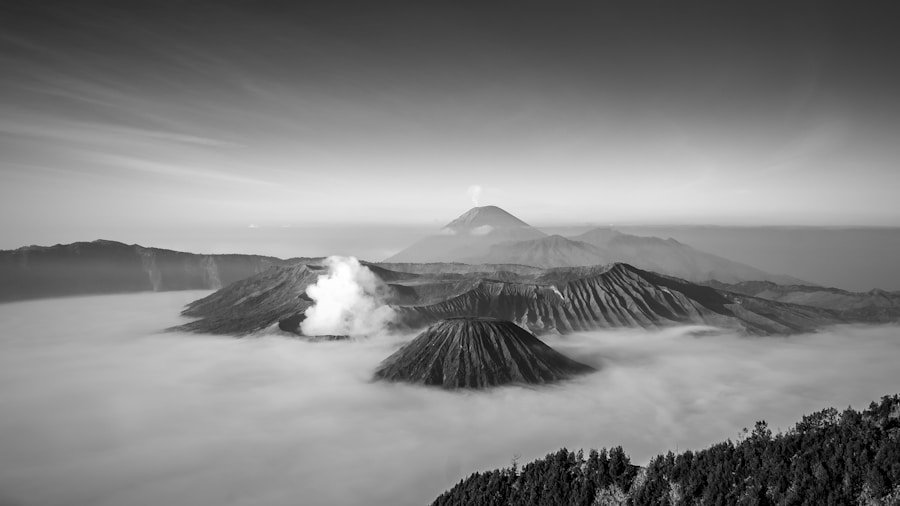

Black and white photography has a timeless and classic appeal that continues to captivate audiences. One of the key elements that make black and white photos so striking is the use of contrast. Contrast refers to the difference between the lightest and darkest parts of an image, and it plays a crucial role in creating visual impact and drama in black and white photography. By understanding the importance of contrast, photographers can elevate their black and white images to new heights.
Contrast in black and white photography helps to define shapes, textures, and patterns within a scene. It adds depth and dimension to the image, drawing the viewer’s eye to specific areas and creating a sense of visual interest. Without the distraction of color, contrast becomes even more essential in black and white photography, as it is the primary tool for creating emphasis and directing the viewer’s attention. Whether it’s the stark contrast between light and shadow or the juxtaposition of different tones, mastering the use of contrast is essential for creating impactful black and white images.
Utilizing Light and Shadow to Create Dramatic Contrast in Your Photos
Light and shadow are fundamental elements in photography, and they play a crucial role in creating contrast in black and white images. The interplay between light and shadow can produce dramatic and compelling effects, adding depth and dimension to a photograph. When shooting in black and white, photographers should pay close attention to the quality of light and how it interacts with the subject. By utilizing strong directional light, photographers can create bold contrasts between light and shadow, resulting in striking and dynamic images.
One effective technique for utilizing light and shadow to create contrast is to look for scenes with strong patterns or textures. When illuminated by directional light, these elements can cast dramatic shadows, adding visual interest and depth to the image. Additionally, photographers can experiment with different lighting conditions, such as harsh sunlight or soft diffused light, to achieve varying levels of contrast in their black and white photos. By understanding how light and shadow work together, photographers can elevate their images and create compelling visual narratives through the use of contrast.
Choosing the Right Subjects and Scenes for High-Impact Contrast
In black and white photography, the choice of subjects and scenes can greatly impact the level of contrast in an image. Certain subjects and scenes lend themselves well to high-impact contrast, making them ideal for black and white photography. When selecting subjects for black and white images, photographers should look for elements that offer strong tonal variations, interesting textures, and compelling shapes. These elements can help create dynamic contrast within the frame, resulting in visually striking photographs.
One effective way to achieve high-impact contrast is to seek out scenes with a wide range of tonal values. For example, landscapes with dramatic skies, rugged terrain, or architectural details can provide ample opportunities for creating bold contrasts in black and white photography. Additionally, subjects with intricate textures, such as weathered surfaces, foliage, or fabric, can add depth and visual interest to an image when rendered in black and white. By carefully choosing subjects and scenes that offer strong visual elements, photographers can maximize the impact of contrast in their black and white photos.
Mastering the Art of Post-Processing to Enhance Contrast in Black and White Images
Post-processing plays a significant role in enhancing contrast in black and white photography. Through the use of editing software, photographers can fine-tune the tonal range of their images, adjust highlights and shadows, and manipulate contrast to achieve their desired aesthetic. Mastering the art of post-processing is essential for elevating black and white images and creating impactful visual narratives through the use of contrast.
One effective technique for enhancing contrast in post-processing is through the use of curves adjustments. By manipulating the tone curve, photographers can selectively adjust the brightness and contrast of different tonal ranges within an image. This allows for precise control over the overall tonal balance and contrast levels, resulting in a more dynamic and visually compelling photograph. Additionally, photographers can utilize tools such as dodging and burning to selectively lighten or darken specific areas of an image, further enhancing contrast and adding depth to their black and white photos.
Experimenting with Different Tones and Textures to Add Depth to Your Photos
In black and white photography, experimenting with different tones and textures can add depth and visual interest to your photos. The absence of color allows photographers to focus on the interplay between light and shadow, as well as the tonal variations within a scene. By paying attention to the subtle nuances of tone and texture, photographers can create compelling black and white images that are rich in contrast and detail.
One effective way to experiment with tones and textures is to seek out subjects with a wide range of tonal values. For example, capturing scenes with intricate patterns, varied textures, or interesting surfaces can provide ample opportunities for creating dynamic contrast in black and white photography. Additionally, photographers can experiment with different processing techniques to enhance the tonal range of their images, such as adjusting levels, curves, or using specialized black and white conversion tools. By exploring the diverse tonalities and textures within a scene, photographers can add depth and dimension to their black and white photos, resulting in visually captivating images.
Using Composition Techniques to Emphasize Contrast and Create Visual Interest
Composition plays a crucial role in emphasizing contrast and creating visual interest in black and white photography. By carefully considering the arrangement of elements within the frame, photographers can guide the viewer’s eye, highlight contrasts, and create a sense of balance and harmony within the image. Through the use of composition techniques, photographers can elevate their black and white photos by emphasizing contrast and creating compelling visual narratives.
One effective composition technique for emphasizing contrast is through the use of leading lines. By incorporating strong lines or shapes into the composition, photographers can create a sense of movement and direction within the frame, leading the viewer’s eye towards areas of high contrast or visual interest. Additionally, photographers can experiment with framing techniques to draw attention to specific elements within the scene, such as using natural frames or negative space to highlight contrasts. By mastering composition techniques, photographers can create visually impactful black and white images that are rich in contrast and visual appeal.
Showcasing Your Striking Black and White Photos and Receiving Feedback from the Photography Community
After capturing striking black and white photos that showcase high-impact contrast, it’s important to share your work with the photography community to receive feedback and constructive criticism. Showcasing your images through online platforms, social media, or photography forums allows you to connect with fellow photographers, gain valuable insights, and receive feedback on your work. This feedback can help you refine your skills, gain new perspectives, and continue to grow as a photographer.
When sharing your black and white photos with the photography community, it’s important to be open to feedback from others. Constructive criticism can provide valuable insights into how others perceive your work, as well as offer suggestions for improvement or areas of strength within your images. Additionally, engaging with other photographers through discussions about technique, composition, or post-processing can help you expand your knowledge and gain new ideas for creating impactful black and white images. By actively participating in the photography community, you can continue to refine your skills, learn from others, and showcase your striking black and white photos to a wider audience.
In conclusion, understanding the importance of contrast in black and white photography is essential for creating visually impactful images that captivate audiences. By utilizing light and shadow to create dramatic contrast, choosing the right subjects for high-impact imagery, mastering post-processing techniques, experimenting with different tones and textures, using composition techniques to emphasize contrast, and showcasing your work within the photography community, you can elevate your black and white photography skills to new heights. With careful attention to these key elements, you can create compelling visual narratives that are rich in contrast, depth, and visual interest.