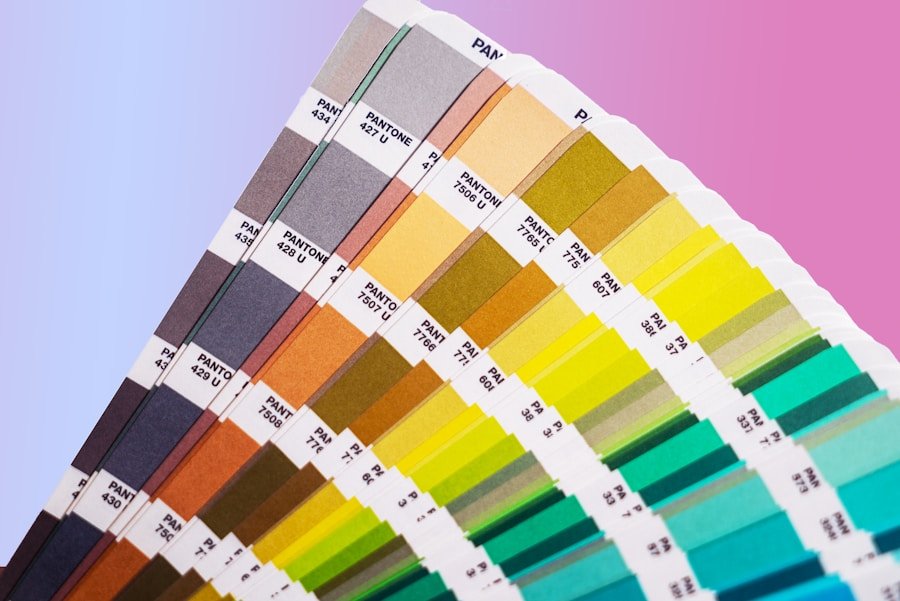

Color is a powerful force that influences our perceptions, emotions, and behaviors in countless ways. From the vibrant hues of a sunset to the calming tones of a serene landscape, color has the ability to captivate and inspire us. It is no wonder that artists, designers, and psychologists alike have long been fascinated by the impact of color on the human experience. The study of color psychology seeks to understand how different colors can affect our moods, thoughts, and actions, and how we can harness this knowledge to create more impactful art, design, and everyday experiences.
Color is not just a visual phenomenon; it also has the power to evoke strong emotional responses and shape our perceptions of the world around us. Whether we are aware of it or not, color plays a significant role in shaping our experiences and influencing our decisions. By understanding the psychological and cultural significance of color, we can gain a deeper appreciation for its impact on our lives and use it to enhance our creative endeavors and everyday interactions.
The Influence of Color on Composition
In art and design, color is a fundamental element that can greatly influence the overall composition of a piece. The use of color can create a sense of balance, harmony, and rhythm within a composition, guiding the viewer’s eye and evoking specific emotions or responses. Warm colors such as reds, oranges, and yellows can create a sense of energy and excitement, while cool colors like blues, greens, and purples can evoke feelings of calm and tranquility. By strategically using color, artists and designers can create visual narratives that convey specific messages or elicit particular reactions from their audience.
The relationship between colors within a composition is also crucial in determining the overall impact of a piece. Complementary colors, which are located opposite each other on the color wheel, can create a dynamic contrast that draws the viewer’s attention. Analogous colors, which are adjacent to each other on the color wheel, can create a sense of unity and cohesion within a composition. By understanding these principles of color theory, artists and designers can effectively manipulate color to create compelling and impactful compositions that resonate with their audience.
The Psychological Impact of Color
The psychological impact of color is a complex and multifaceted phenomenon that has been studied extensively by psychologists and researchers. Different colors have been found to evoke specific emotional responses and influence our perceptions in various ways. For example, red is often associated with passion, energy, and excitement, while blue is linked to calmness, trust, and stability. These associations are not arbitrary; they are deeply rooted in our evolutionary history and cultural experiences.
In addition to evoking emotional responses, colors can also influence our cognitive processes and behaviors. Studies have shown that exposure to certain colors can affect our mood, attention span, and even our physical reactions. For example, research has found that the color red can increase heart rate and blood pressure, while blue has been shown to have a calming effect on the nervous system. By understanding the psychological impact of color, we can use it to create environments that promote specific behaviors or experiences, such as using warm colors in a restaurant to stimulate appetite or cool colors in a spa to promote relaxation.
Color in Art and Design
Color is an essential element in art and design, playing a crucial role in conveying meaning, emotion, and symbolism. Artists have long used color to express their ideas and emotions, from the vibrant palettes of the Fauvists to the subtle tonalities of the Impressionists. In design, color is used to communicate brand identity, evoke specific moods or associations, and guide user interactions. Whether in a painting or a logo, the use of color is a powerful tool for creating visual impact and communicating messages.
In art, color can be used to create depth, movement, and focal points within a composition. By manipulating the intensity, value, and temperature of colors, artists can create illusions of space and form that draw the viewer into the artwork. In design, color is used to establish hierarchy, organize information, and create visual interest. By understanding the principles of color theory and how different colors interact with each other, artists and designers can effectively use color to convey their intended message and engage their audience.
Using Color to Evoke Emotion
One of the most powerful aspects of color is its ability to evoke specific emotions and moods. Different colors have been found to have distinct psychological associations that can influence our emotional responses. For example, warm colors like reds, oranges, and yellows are often associated with energy, passion, and excitement, while cool colors like blues, greens, and purples are linked to calmness, tranquility, and stability. By strategically using these colors in art, design, or everyday environments, we can create specific emotional experiences for ourselves and others.
In art, color is used to convey mood and emotion through the careful selection of palettes and combinations. For example, an artist may use warm colors to create a sense of urgency or intensity in a painting, or cool colors to evoke feelings of serenity or melancholy. In design, color is used to establish brand identity and communicate specific messages or associations. By understanding the psychological impact of different colors, artists and designers can effectively use color to create compelling emotional experiences that resonate with their audience.
Cultural and Symbolic Meanings of Color
Color carries deep cultural and symbolic meanings that vary across different societies and historical periods. In many cultures, certain colors are associated with specific rituals, traditions, or beliefs. For example, in Western cultures, white is often associated with purity and innocence, while in some Eastern cultures it is associated with mourning and death. Similarly, red is often associated with luck and prosperity in Chinese culture but may symbolize danger or passion in other contexts. By understanding these cultural associations with color, we can gain insight into the diverse ways in which color is used to convey meaning and symbolism.
In addition to cultural meanings, colors also carry symbolic associations that have been shaped by historical events and societal norms. For example, the use of red in political propaganda has often been associated with revolution or socialism, while blue has been linked to conservatism or stability. These symbolic associations can be used strategically in art and design to convey specific messages or evoke particular responses from the audience. By understanding the cultural and symbolic meanings of color, artists and designers can create work that resonates with diverse audiences and communicates complex ideas.
Harnessing the Power of Color in Everyday Life
Beyond art and design, color plays a significant role in shaping our everyday experiences and interactions. From the colors we choose to wear to the colors we surround ourselves with in our homes or workplaces, color has the power to influence our moods, behaviors, and perceptions. By understanding the psychological impact of different colors, we can use them strategically in our everyday lives to create environments that promote specific emotions or experiences.
For example, using warm colors like reds or oranges in a dining room can stimulate appetite and create a lively atmosphere for social gatherings. On the other hand, using cool colors like blues or greens in a bedroom can promote relaxation and restful sleep. By being mindful of the colors we choose for our surroundings, we can create spaces that support our well-being and enhance our daily experiences. Additionally, by being aware of how different colors may influence others’ perceptions or behaviors, we can use color strategically in social interactions or professional settings to convey specific messages or establish particular atmospheres.
In conclusion, color is a powerful force that influences our perceptions, emotions, and behaviors in countless ways. Whether in art, design, or everyday life, understanding the psychological impact of different colors allows us to harness their power to create compelling experiences that resonate with ourselves and others. By being mindful of how we use color in our creative endeavors and surroundings, we can create environments that support our well-being and communicate complex ideas effectively. The study of color psychology continues to offer valuable insights into the ways in which color shapes our experiences and interactions with the world around us.