
Documenting ceremonies is an important aspect of preserving cultural and personal traditions. Whether it’s a wedding, a religious ceremony, a graduation, or a cultural celebration, these events hold significant meaning for the individuals involved. By capturing these moments through photography, we are able to create a visual record that can be cherished for years to come. Photographs serve as a tangible reminder of the emotions, the people, and the details that made the event special. They allow us to relive the joy, the love, and the significance of the occasion long after it has passed. Additionally, documenting ceremonies helps to pass down traditions and customs to future generations. Through photographs, individuals can share their cultural heritage and personal milestones with their children and grandchildren, ensuring that these important moments are not forgotten.
Furthermore, documenting ceremonies through photography can also serve as a form of historical preservation. Many cultural and religious ceremonies have been passed down through generations, and by capturing them through photography, we are able to preserve these traditions for future generations to learn from and appreciate. In addition, documenting ceremonies can also serve as a way to honor and recognize the significance of these events within a community. By capturing the beauty and emotion of these ceremonies, we are able to showcase the diversity and richness of different cultures and traditions, fostering a greater understanding and appreciation for the world around us.
Understanding the Flow of the Ceremony
Understanding the flow of a ceremony is crucial for a photographer in order to capture the key moments and emotions that unfold throughout the event. Each ceremony has its own unique structure and rhythm, and it’s important for a photographer to be familiar with the sequence of events in order to anticipate and capture important moments. Whether it’s a wedding ceremony, a religious ritual, or a cultural celebration, being aware of the order of events allows a photographer to position themselves in the right place at the right time to capture the most meaningful moments. Additionally, understanding the flow of the ceremony allows a photographer to anticipate potential challenges or obstacles that may arise, such as changes in lighting or unexpected movements, and adjust their approach accordingly.
Moreover, understanding the flow of a ceremony also enables a photographer to tell a cohesive and compelling visual story through their photographs. By being familiar with the sequence of events, a photographer can capture the progression of emotions and interactions that occur throughout the ceremony, from the anticipation and excitement at the beginning to the joy and celebration at the end. This allows for a more comprehensive and meaningful documentation of the event, providing a complete narrative that reflects the significance and beauty of the occasion.
Capturing Key Moments
Capturing key moments is essential for documenting ceremonies effectively. These moments are often fleeting and spontaneous, making it crucial for a photographer to be attentive and quick to react in order to capture them. Whether it’s an exchange of vows at a wedding, a traditional dance at a cultural celebration, or a heartfelt embrace at a graduation, these key moments are what make the ceremony memorable and meaningful. By capturing these moments through photography, we are able to freeze time and preserve the emotions and significance of the event for years to come.
In addition to capturing key moments, it’s also important for a photographer to be able to anticipate and create opportunities for meaningful photographs. This may involve establishing rapport with the participants in order to capture genuine emotions, or being creative in finding unique angles and perspectives that highlight the beauty and significance of the ceremony. By doing so, a photographer is able to create a collection of images that not only document the event but also evoke the emotions and atmosphere of the occasion.
Working with Different Lighting Conditions
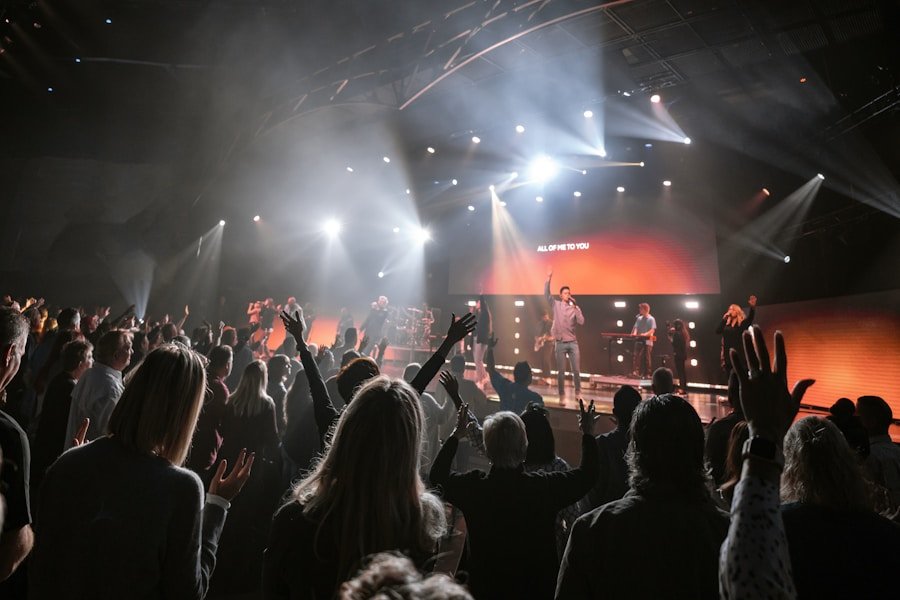
Working with different lighting conditions is an important skill for photographers who document ceremonies. Ceremonies often take place in a variety of settings, from outdoor venues with natural light to indoor spaces with artificial lighting, each presenting its own unique challenges. It’s crucial for a photographer to be able to adapt to these different lighting conditions in order to capture high-quality images that accurately represent the atmosphere and emotions of the event.
In outdoor settings, photographers must be able to work with natural light, which can change rapidly throughout the day. This may involve adjusting camera settings or using additional equipment such as reflectors or diffusers to control harsh sunlight or shadows. In indoor settings, photographers must be able to work with artificial lighting sources such as overhead lights or candles, which may require different camera settings or additional lighting equipment to achieve optimal results. By being proficient in working with different lighting conditions, photographers are able to capture clear and vibrant images that accurately represent the beauty and emotion of the ceremony.
Furthermore, working with different lighting conditions also allows photographers to be creative in their approach, using light and shadow to enhance the mood and atmosphere of their photographs. By understanding how different lighting conditions can affect their images, photographers are able to create visually compelling photographs that capture the essence of the ceremony.
Navigating Cultural Sensitivities
Navigating cultural sensitivities is an important aspect of documenting ceremonies, particularly when working with diverse communities and traditions. It’s crucial for photographers to be respectful and mindful of cultural customs and traditions in order to document ceremonies in a sensitive and appropriate manner. This may involve familiarizing oneself with the cultural significance of certain rituals or symbols, as well as seeking permission from participants before taking photographs. By doing so, photographers are able to ensure that their documentation of the ceremony is respectful and accurate, reflecting the cultural heritage and traditions of those involved.
In addition to navigating cultural sensitivities during the ceremony itself, it’s also important for photographers to be mindful of how they present and share their photographs afterwards. This may involve obtaining consent from participants before sharing their images publicly or being mindful of how certain images may be perceived within different cultural contexts. By being aware of cultural sensitivities, photographers are able to document ceremonies in a way that honors and respects the traditions and beliefs of those involved.
Building Relationships with Clients and Participants
Building relationships with clients and participants is essential for photographers who document ceremonies. Establishing trust and rapport with those involved allows photographers to capture genuine emotions and interactions that reflect the significance of the event. This may involve meeting with clients beforehand to understand their vision and expectations for the documentation of the ceremony, as well as building rapport with participants in order to capture authentic moments throughout the event.
Furthermore, building relationships with clients and participants also allows photographers to create a comfortable and collaborative environment during the ceremony. By establishing trust and communication beforehand, photographers are able to work closely with clients and participants to ensure that their vision is realized through the documentation of the event. This may involve providing guidance or suggestions for capturing meaningful moments, as well as being responsive to any concerns or requests that may arise during the ceremony.
Post-Processing and Presentation of Ceremony Photos
Post-processing and presentation of ceremony photos is an important final step in documenting ceremonies effectively. After capturing hundreds or even thousands of images during a ceremony, photographers must carefully select and edit their photographs in order to create a cohesive and compelling visual narrative. This may involve adjusting exposure, color balance, and composition in order to enhance the beauty and emotion of each image while maintaining its authenticity.
In addition to post-processing, presenting ceremony photos in a meaningful way is also crucial for creating a lasting impact. This may involve creating albums or slideshows that showcase the progression of events throughout the ceremony, as well as selecting key moments that best represent the significance and emotion of the occasion. By presenting ceremony photos thoughtfully and creatively, photographers are able to provide clients with a tangible record of their special day that can be cherished for years to come.
In conclusion, documenting ceremonies through photography is an important way to preserve cultural traditions, honor personal milestones, and create lasting memories. By understanding the flow of ceremonies, capturing key moments, working with different lighting conditions, navigating cultural sensitivities, building relationships with clients and participants, and carefully post-processing and presenting ceremony photos, photographers are able to create a comprehensive visual record that reflects the significance and beauty of these important events. Through their dedication and skill, photographers play an essential role in preserving traditions and creating meaningful visual narratives that can be cherished for generations to come.

Other Articles