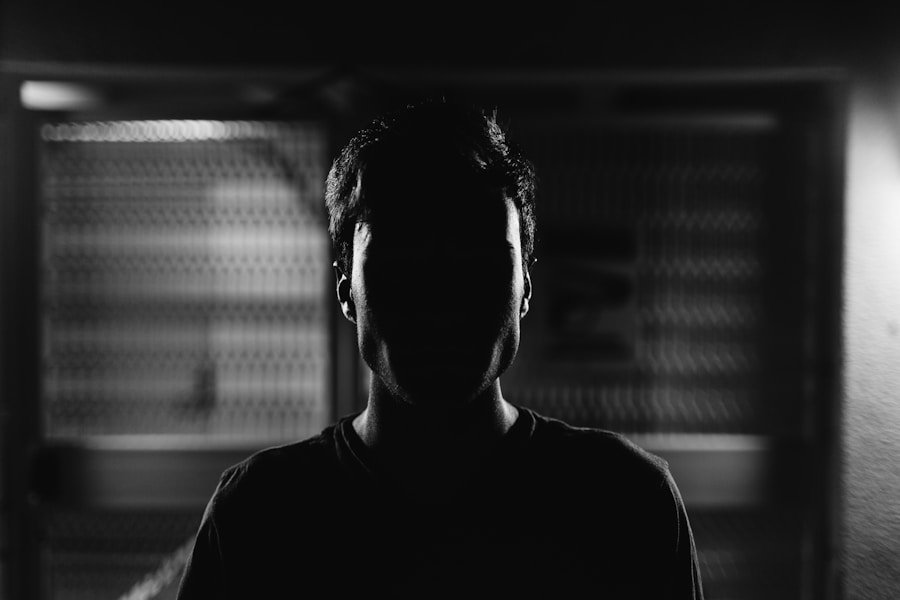

Lighting is one of the most crucial elements in photography, especially when it comes to taking selfies. The right lighting can make or break a selfie, as it can enhance your features and create a flattering effect. Natural light is often the best option for taking selfies, as it provides a soft and even illumination that can make your skin look radiant and smooth. However, if natural light is not available, artificial lighting can also be used effectively. Soft, diffused light is ideal for selfies, as it minimizes harsh shadows and creates a more flattering effect. It’s important to experiment with different lighting setups to find the one that works best for you and your desired aesthetic.
In addition to the type of lighting, the direction of the light is also important to consider. Front lighting can create a bright and even look, while side lighting can add depth and dimension to your selfie. Backlighting can create a halo effect around your hair and add a dreamy quality to your selfie. Ultimately, the key is to find the lighting setup that enhances your features and creates the mood you want to convey in your selfie. Taking the time to understand and experiment with lighting can greatly improve the quality of your selfies and make them stand out from the rest.
Finding the Right Angle
Finding the right angle is essential for taking a flattering selfie. The angle at which you hold your phone can greatly affect the way you look in the photo. Holding the camera slightly above eye level is a popular technique that can help define your jawline and make your eyes appear larger. This angle can also help minimize any double chin or neck wrinkles, creating a more flattering look. However, it’s important to avoid holding the camera too high, as this can create unflattering shadows on your face.
Another popular angle for selfies is the “side angle,” where you turn your head slightly to one side and look over your shoulder at the camera. This angle can create a more dynamic and interesting composition, as well as highlight your best features. Experimenting with different angles and finding the one that works best for you can greatly improve the quality of your selfies and help you feel more confident in front of the camera.
Using Portrait Mode
Many smartphones now come equipped with a portrait mode feature, which is specifically designed for taking professional-looking selfies. Portrait mode uses depth-sensing technology to blur the background of the photo, creating a shallow depth of field effect that mimics the look of a DSLR camera. This feature can help draw attention to your face and create a more polished and artistic look.
When using portrait mode, it’s important to pay attention to the distance between you and the background, as well as any potential distractions in the background. Keeping a good distance from the background can help create a more pronounced blur effect, while minimizing distractions can ensure that the focus remains on you. Portrait mode can be a powerful tool for taking striking and visually appealing selfies, so it’s worth experimenting with this feature to see how it can enhance your photos.
Incorporating Props and Backgrounds
Incorporating props and backgrounds into your selfies can add visual interest and personality to your photos. Props can range from simple accessories like hats or sunglasses to more elaborate items like flowers or balloons. These props can help convey a specific mood or theme in your selfie, as well as add a unique touch to your photos.
When choosing a background for your selfie, it’s important to consider the overall composition and how it complements your look. A clean and uncluttered background can help draw attention to you, while a more textured or colorful background can add depth and visual interest to your photo. It’s also important to consider the lighting and how it interacts with the background, as this can greatly affect the overall look of your selfie.
Experimenting with different props and backgrounds can help you create more visually engaging selfies that stand out from the crowd. Whether you’re shooting indoors or outdoors, taking the time to consider these elements can greatly enhance the quality of your selfies.
Posing and Expression
Posing and expression are key elements in creating a compelling selfie. The way you pose and express yourself in front of the camera can greatly affect the overall mood and message of your photo. When posing for a selfie, it’s important to consider your body language and how it conveys confidence and authenticity.
Experimenting with different poses can help you find the ones that flatter your features and create a more dynamic composition. Whether it’s a subtle tilt of the head or a playful hand gesture, small adjustments in your pose can make a big difference in the overall look of your selfie. It’s also important to pay attention to your facial expression and how it conveys emotion and personality. Whether you’re smiling, pouting, or making a silly face, expressing yourself authentically can help create a more engaging and relatable selfie.
Editing and Filters
After taking a selfie, editing can be used to enhance the overall look of the photo. Basic adjustments like brightness, contrast, and saturation can help fine-tune the exposure and color balance of your selfie. It’s important to use these adjustments sparingly to maintain a natural and authentic look.
Filters are another popular tool for enhancing selfies, as they can add a specific mood or aesthetic to your photo. Whether it’s a vintage-inspired filter or a bold and vibrant one, filters can help create a cohesive look for your selfies. However, it’s important to use filters judiciously and consider how they complement the overall composition of your photo.
Ultimately, editing and filters should be used to enhance the natural beauty of your selfie rather than drastically alter it. Taking the time to experiment with different editing techniques can help you develop a signature style for your selfies while maintaining an authentic and genuine look.
Sharing and Engaging with Your Audience
Once you’ve taken the perfect selfie, sharing it with your audience is an important part of the process. Whether it’s on social media platforms like Instagram or Facebook, sharing your selfies allows you to connect with others and showcase your creativity and personality.
Engaging with your audience through comments and likes can help foster a sense of community and support around your selfies. It’s important to respond to comments and engage with others’ content as well, as this can help build meaningful connections with like-minded individuals.
In addition to sharing on social media, participating in selfie challenges or collaborations with other creators can help expand your reach and connect with new audiences. Collaborating with others allows you to exchange ideas and inspiration while reaching new followers who share similar interests.
Ultimately, sharing and engaging with your audience allows you to showcase your creativity and personality while building meaningful connections with others who appreciate your work. By taking the time to connect with others through your selfies, you can create a supportive community that celebrates individuality and self-expression.

Other Articles

Mastering the Art of Photography: Building Your Complete Kit