
Understanding your camera is the first step to becoming a successful photographer. Whether you have a DSLR, mirrorless, or point-and-shoot camera, it’s important to know how to use it to its full potential. Familiarize yourself with the different shooting modes, such as manual, aperture priority, and shutter priority, and learn how to adjust settings like ISO, aperture, and shutter speed. Take the time to read the camera’s manual and experiment with different settings to see how they affect your photos. Understanding the capabilities and limitations of your camera will allow you to capture the best possible images in any situation.
In addition to understanding the technical aspects of your camera, it’s also important to know how to properly care for and maintain it. Keep your camera clean and protected from dust and moisture, and be mindful of the battery life and storage capacity. Regularly check for any updates or firmware upgrades that may improve the performance of your camera. By understanding and caring for your camera, you can ensure that it will continue to produce high-quality images for years to come.
Essential Lenses for Every Photographer:
Lenses are a crucial part of any photographer’s toolkit, as they have a significant impact on the quality and style of your images. While the kit lens that comes with your camera is a good starting point, investing in additional lenses can greatly expand your creative possibilities. A prime lens with a wide aperture, such as a 50mm f/1.8, is a versatile option for portraits, street photography, and low-light situations. A telephoto lens, such as a 70-200mm, is essential for capturing distant subjects or achieving a compressed perspective in your images. A wide-angle lens, like a 16-35mm, is great for landscape photography and architectural shots.
It’s important to consider the quality of the lenses you invest in, as higher-quality glass will produce sharper images with better color and contrast. Additionally, consider factors like image stabilization and weather sealing, especially if you plan to shoot in challenging conditions. While lenses can be a significant investment, they are an essential part of creating professional-quality images and are well worth the cost.
Tripods and Other Essential Accessories:
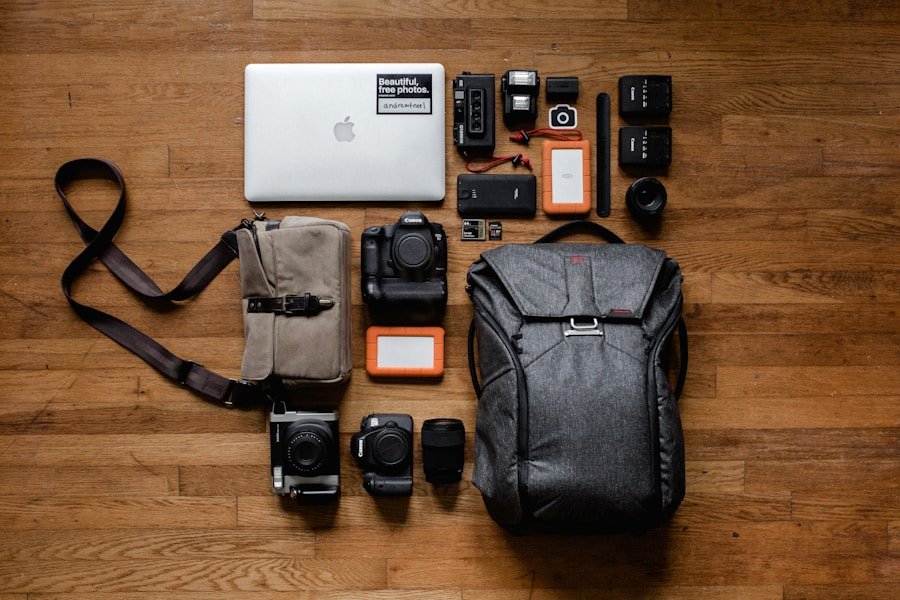
In addition to a good camera and lenses, there are several essential accessories that every photographer should have in their kit. A sturdy tripod is essential for capturing sharp images in low light or long exposure situations. Look for a tripod that is lightweight and easy to carry, yet stable enough to support the weight of your camera and lens. Consider features like adjustable legs, a quick-release plate, and a ball head for maximum versatility.
Other essential accessories include lens filters, such as UV or polarizing filters, which can protect your lenses and improve the quality of your images. A camera bag or backpack is essential for carrying and protecting your gear while on the go. Look for a bag with padded compartments, adjustable dividers, and weather-resistant materials to keep your equipment safe and organized. Additionally, consider investing in extra batteries, memory cards, and a cleaning kit to ensure that you are always prepared for any shooting situation.
Lighting Equipment and Techniques:
Lighting is one of the most important aspects of photography, as it has a significant impact on the mood, composition, and overall quality of your images. While natural light is often preferred for its softness and warmth, artificial lighting can be used to create dramatic effects and control the direction and intensity of light. Consider investing in a portable lighting kit with options for continuous or strobe lighting, as well as modifiers like softboxes, umbrellas, and reflectors.
Understanding lighting techniques, such as using backlighting for silhouettes or using fill light to reduce shadows, can greatly improve the impact of your images. Experiment with different lighting setups and angles to see how they affect the mood and composition of your photos. Additionally, consider the color temperature of the light sources you are using, as warm or cool tones can greatly affect the overall feel of your images.
The Importance of Editing Software:
While capturing great images in-camera is important, editing software is an essential tool for refining and enhancing your photos. Whether you prefer Adobe Lightroom for its powerful organizational tools and non-destructive editing capabilities, or Adobe Photoshop for its advanced retouching and compositing features, having a good editing software is crucial for bringing out the best in your images. Learn how to use tools like exposure adjustments, color correction, and sharpening to fine-tune your photos and achieve the look you desire.
In addition to basic editing techniques, consider learning more advanced skills like layer masking, frequency separation, and dodging and burning to take your images to the next level. Experiment with different presets and filters to develop your own unique editing style. Remember that editing should enhance the original image rather than completely alter it, so strive for a balance between creativity and authenticity in your post-processing.
Carrying and Protecting Your Gear:
Protecting your gear is essential for ensuring that it remains in good condition and continues to produce high-quality images. Invest in a durable camera bag or backpack with padded compartments and adjustable dividers to keep your equipment safe while on the go. Look for a bag with weather-resistant materials and secure closures to protect your gear from dust, moisture, and impact.
Consider investing in additional protection for your lenses, such as UV or polarizing filters to prevent scratches and reduce glare. Keep your camera clean and free from dust by using a blower or brush to remove debris from the sensor and lens elements. Additionally, consider investing in insurance coverage for your gear to protect against theft or damage.
Building Your Photography Business:
If you are looking to turn your passion for photography into a business, there are several important steps you can take to get started. Develop a strong portfolio that showcases your best work across different genres and styles of photography. Consider creating a professional website or online portfolio to showcase your work and attract potential clients.
Networking with other photographers and industry professionals can help you gain exposure and build valuable connections. Consider joining photography groups or associations in your area or online to connect with like-minded individuals and learn from their experiences. Additionally, consider offering photography services for events or clients in your community to gain experience and build a client base.
Marketing yourself effectively is crucial for building a successful photography business. Consider creating a strong brand identity with a memorable logo, consistent visual style, and professional marketing materials. Utilize social media platforms like Instagram and Facebook to showcase your work and connect with potential clients. Consider offering promotions or discounts to attract new clients and build loyalty with existing ones.
In conclusion, understanding your camera and investing in essential lenses are crucial steps towards becoming a successful photographer. Additionally, having the right accessories like tripods and lighting equipment can greatly enhance the quality of your images. Editing software is an essential tool for refining your photos, while protecting your gear is crucial for ensuring its longevity. Finally, building a successful photography business requires strong marketing skills and networking with other professionals in the industry. By following these steps and continuously honing your skills as a photographer, you can achieve success in this competitive field.

Other Articles

Top 10 Must-Have Safety Essentials for Drone Pilots