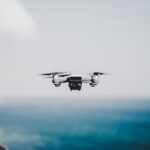

When it comes to aerial photography, choosing the right equipment is crucial to capturing stunning images from above. The first decision to make is whether to use a drone or a helicopter for your aerial photography needs. Drones are a popular choice due to their affordability, ease of use, and ability to capture unique angles and perspectives. When selecting a drone, consider factors such as camera quality, flight time, and stability in windy conditions. Look for a drone with a high-resolution camera and a gimbal for smooth, stable footage. Additionally, consider the range and battery life of the drone to ensure you can capture the shots you need without interruption.
If you opt for a helicopter for your aerial photography, you will need to hire a professional pilot and photographer to ensure safety and quality results. Helicopters offer the advantage of higher altitudes and faster speeds, allowing for a wider range of shots and perspectives. When choosing a helicopter for aerial photography, consider factors such as the type of camera equipment available, the experience and expertise of the pilot and photographer, and the overall cost of the rental. Whether you choose a drone or a helicopter for your aerial photography needs, selecting the right equipment is essential for capturing breathtaking images from above.
Understanding the Basics of Aerial Photography
Before embarking on an aerial photography shoot, it’s important to understand the basics of capturing images from above. Aerial photography presents unique challenges and opportunities compared to traditional ground-based photography. One of the key considerations in aerial photography is the angle and perspective from which you capture your images. Experiment with different altitudes, angles, and distances to find the most compelling compositions. Additionally, consider the lighting conditions and how they will affect your images from above. The angle of the sun can dramatically impact the look and feel of your aerial photos, so plan your shoot around optimal lighting conditions.
Another important aspect of aerial photography is understanding how to compose visually striking images from above. Look for patterns, textures, and leading lines that can guide the viewer’s eye through the frame. Consider using natural elements such as rivers, roads, and mountains to create depth and interest in your aerial photos. Additionally, pay attention to the rule of thirds and other compositional techniques to create balanced and visually appealing images. By understanding the basics of aerial photography, you can capture stunning images from above that showcase the world in a whole new light.
Planning Your Aerial Shoot
Effective planning is essential for a successful aerial photography shoot. Before taking to the skies, consider factors such as location, weather conditions, and legal regulations. Start by researching potential shooting locations and identifying points of interest that will make compelling subjects from above. Consider factors such as accessibility, safety, and visual appeal when selecting shooting locations for your aerial photography shoot. Additionally, check local regulations and airspace restrictions to ensure you can legally fly your drone or helicopter in the chosen location.
Weather conditions play a crucial role in aerial photography, so be sure to check the forecast before planning your shoot. Look for clear skies, minimal wind, and optimal lighting conditions to capture the best possible aerial images. Keep in mind that weather conditions can change rapidly, so have a backup plan in case of inclement weather. Finally, consider the logistics of your aerial shoot, including transportation, equipment setup, and safety protocols. By carefully planning your aerial shoot, you can maximize your chances of capturing stunning images from above.
Mastering Camera Settings and Techniques
Once you have chosen the right equipment and planned your aerial shoot, it’s time to master camera settings and techniques for capturing stunning aerial photos. Whether you are using a drone or a helicopter for your aerial photography needs, understanding how to optimize camera settings is essential for achieving high-quality results. Start by familiarizing yourself with the manual settings on your camera or drone, including aperture, shutter speed, ISO, and white balance. Adjusting these settings allows you to control exposure, depth of field, and overall image quality in your aerial photos.
In addition to mastering camera settings, it’s important to practice techniques for capturing dynamic aerial photos. Experiment with different flight patterns, angles, and perspectives to find the most compelling compositions from above. Consider using techniques such as panning, tilting, and orbiting to create visually striking images that showcase the world from a unique vantage point. Additionally, pay attention to framing and composition to create balanced and visually appealing aerial photos. By mastering camera settings and techniques for aerial photography, you can capture stunning images from above that showcase the world in a whole new light.
Capturing Dynamic Panoramas
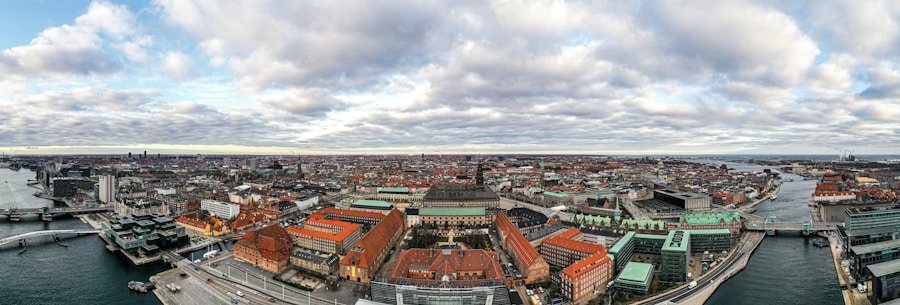
One of the most captivating aspects of aerial photography is the ability to capture dynamic panoramas from above. Panoramic images offer a wide-angle view of a landscape or cityscape that showcases the beauty and scale of the world from a unique perspective. When capturing panoramic images from above, consider factors such as altitude, angle, and composition to create visually striking results. Start by selecting a wide-angle lens or setting on your camera or drone to capture a broad view of the landscape below.
When capturing panoramic images from above, consider using techniques such as stitching multiple images together to create a seamless panorama. This can be achieved by capturing a series of overlapping images from different vantage points and then merging them together in post-processing. Additionally, pay attention to the horizon line and ensure it remains level throughout your panoramic shots to create a seamless and visually appealing result. By mastering the art of capturing dynamic panoramas from above, you can showcase the world in all its beauty and grandeur through aerial photography.
Editing and Enhancing Aerial Photos
After capturing stunning aerial photos from above, it’s time to edit and enhance your images to achieve their full potential. Post-processing plays a crucial role in refining and perfecting aerial photos to create visually striking results. Start by importing your aerial photos into editing software such as Adobe Lightroom or Photoshop to begin the editing process. Adjust factors such as exposure, contrast, color balance, and sharpness to enhance the overall quality of your aerial images.
In addition to basic editing techniques, consider using advanced tools such as HDR processing and panorama stitching to create visually stunning results from your aerial photos. HDR processing allows you to merge multiple exposures of the same scene to create a balanced image with optimal exposure throughout. Panorama stitching enables you to merge multiple images together to create seamless panoramic views of landscapes or cityscapes from above. By mastering editing and enhancing techniques for aerial photos, you can elevate your images to new heights and showcase the world in all its beauty through aerial photography.
Practicing Safe and Responsible Drone Operation
When using a drone for aerial photography, it’s essential to practice safe and responsible operation to ensure the safety of yourself and others around you. Start by familiarizing yourself with local regulations and airspace restrictions for flying drones in your chosen shooting location. Be aware of no-fly zones, altitude restrictions, and other legal considerations that may impact your ability to fly your drone safely and responsibly.
In addition to legal considerations, it’s important to prioritize safety when operating a drone for aerial photography. Always conduct pre-flight checks on your drone to ensure it is in proper working condition before taking off. Be mindful of weather conditions such as wind speed and precipitation that may impact your ability to fly safely. Additionally, be aware of potential hazards such as power lines, buildings, and other obstacles that may pose a risk to your drone during flight.
Finally, be mindful of privacy considerations when capturing aerial photos with a drone. Respect the privacy of individuals and property owners by avoiding intrusive or unauthorized flights over private property. Always seek permission from property owners before flying your drone over their land or capturing images of their property from above.
By practicing safe and responsible drone operation, you can enjoy the benefits of capturing stunning aerial photos while minimizing risks and respecting the rights of others around you.
In conclusion, aerial photography offers a unique opportunity to capture stunning images from above that showcase the world in a whole new light. By choosing the right equipment, understanding the basics of aerial photography, planning your aerial shoot effectively, mastering camera settings and techniques, capturing dynamic panoramas, editing and enhancing aerial photos, and practicing safe and responsible drone operation, you can achieve high-quality results that showcase the beauty and grandeur of the world from a unique perspective. Whether you are using a drone or a helicopter for your aerial photography needs, careful planning and attention to detail are essential for achieving stunning results from above. With practice and dedication, you can master the art of aerial photography and capture breathtaking images that inspire awe and wonder in viewers around the world.