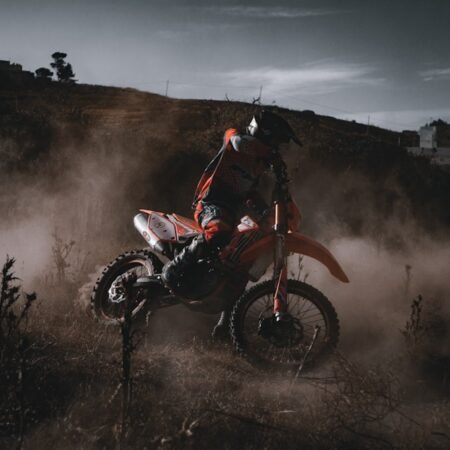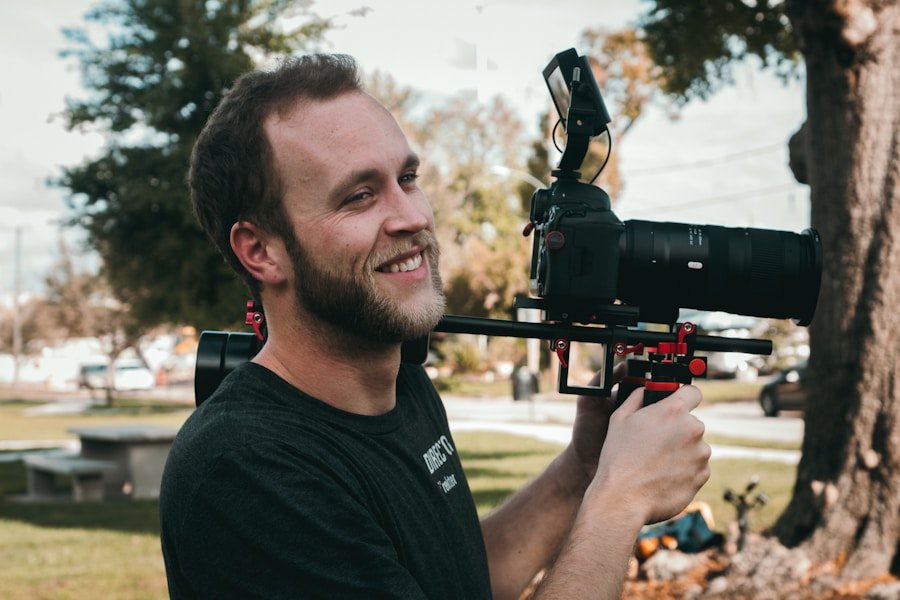

Low light photography refers to the practice of capturing images in conditions where there is minimal available light. This can include shooting in the evening, indoors, or in other situations where natural light is limited. Understanding how to work with low light is essential for any photographer, as it opens up a whole new realm of creative possibilities. In low light conditions, the camera’s sensor is not able to capture as much light as it would in brighter conditions, which can result in images that are grainy or blurry. However, with the right equipment and techniques, it is possible to produce stunning low light photographs that are sharp, clear, and full of atmosphere.
Low light photography presents a unique set of challenges, but it also offers the opportunity to create images that are moody, dramatic, and visually striking. By understanding how to work with low light, photographers can expand their creative repertoire and capture scenes that would be impossible to photograph in brighter conditions. Whether shooting in a dimly lit room, at dusk, or under the stars, mastering low light photography opens up a whole new world of possibilities for photographers.
Choosing the Right Equipment for Low Light Photography
When it comes to low light photography, having the right equipment is crucial for achieving high-quality results. One of the most important pieces of equipment for low light photography is a camera with a high ISO range. ISO refers to the sensitivity of the camera’s sensor to light, and a higher ISO allows the camera to capture more light in low light conditions. Additionally, a camera with a wide aperture lens is essential for low light photography, as a wider aperture allows more light to enter the camera and reach the sensor. This is particularly important when shooting in low light conditions, as it can help to produce sharper, clearer images.
In addition to a high ISO range and wide aperture lens, a sturdy tripod is also essential for low light photography. In low light conditions, longer exposure times are often necessary to capture enough light for a well-exposed image. Using a tripod helps to stabilize the camera and prevent blur caused by camera shake during longer exposures. Finally, investing in a quality external flash or continuous lighting source can also be beneficial for low light photography, as it can help to illuminate the scene and produce better results in challenging lighting conditions.
Mastering Manual Settings for Low Light Conditions
In low light photography, mastering manual settings is essential for achieving the best results. While many modern cameras have automatic modes that can be useful in certain situations, shooting in manual mode gives photographers full control over the exposure settings and allows them to make adjustments based on the specific lighting conditions. When shooting in low light, it is important to pay close attention to the aperture, shutter speed, and ISO settings to ensure that the camera is capturing enough light for a well-exposed image.
When shooting in low light conditions, using a wide aperture is essential for allowing as much light as possible to reach the camera’s sensor. Additionally, adjusting the shutter speed to a slower setting can help to capture more light in low light conditions. However, it is important to be mindful of camera shake when using slower shutter speeds, as this can result in blurry images. Finally, adjusting the ISO setting to a higher value can also help to capture more light in low light conditions, but it is important to be mindful of the potential for increased noise at higher ISO values.
Using Artificial Light Sources for Low Light Photography
In low light photography, using artificial light sources can be an effective way to illuminate the scene and produce better results in challenging lighting conditions. There are a variety of artificial lighting options that can be used for low light photography, including external flashes, continuous lighting sources, and even simple household lamps. When using artificial lighting for low light photography, it is important to consider the color temperature of the light source and how it will affect the overall look of the image.
External flashes are a popular choice for low light photography, as they can provide a powerful burst of light to illuminate the scene. Additionally, continuous lighting sources such as LED panels or softboxes can be used to provide a consistent source of light for longer exposures. When using artificial lighting for low light photography, it is important to experiment with different angles and intensities of light to achieve the desired effect. By using artificial lighting strategically, photographers can enhance the mood and atmosphere of their low light images and produce stunning results.
Tips for Composition and Framing in Low Light
In low light photography, composition and framing play a crucial role in creating visually compelling images. When shooting in low light conditions, it is important to pay close attention to the placement of elements within the frame and how they interact with the available light. One effective technique for composition in low light photography is to use leading lines or strong geometric shapes to draw the viewer’s eye through the image. Additionally, paying attention to negative space and using it to create balance within the frame can help to create visually striking compositions in low light.
When framing images in low light conditions, it is important to consider how the available light is interacting with the subject and how it can be used to create depth and dimension within the image. By paying attention to the direction and quality of the available light, photographers can create images that are rich in texture and atmosphere. Additionally, experimenting with different angles and perspectives can help to create dynamic compositions that make use of the unique qualities of low light.
Post-Processing Techniques for Low Light Photography
In low light photography, post-processing techniques can be used to enhance and refine images captured in challenging lighting conditions. One common challenge in low light photography is noise, which can result from using higher ISO settings to capture more light. However, noise reduction tools in post-processing software can be used to minimize noise and produce cleaner, more polished images. Additionally, adjusting exposure and contrast settings can help to bring out details and enhance the overall look of low light images.
Another useful post-processing technique for low light photography is color correction and white balance adjustment. In low light conditions, artificial lighting sources or mixed lighting can result in color casts or uneven color temperatures within the image. By using color correction tools in post-processing software, photographers can adjust the color balance and ensure that the image accurately represents the true colors of the scene. Additionally, experimenting with creative effects such as black and white conversion or split toning can help to enhance the mood and atmosphere of low light images.
Common Mistakes to Avoid in Low Light Photography
While low light photography presents unique challenges, there are also common mistakes that photographers should be mindful of when shooting in challenging lighting conditions. One common mistake in low light photography is relying too heavily on automatic modes or settings. While automatic modes can be useful in certain situations, shooting in manual mode gives photographers full control over exposure settings and allows them to make adjustments based on specific lighting conditions.
Another common mistake in low light photography is neglecting to use a tripod when longer exposure times are necessary. In low light conditions, longer exposure times are often required to capture enough light for a well-exposed image. Using a tripod helps to stabilize the camera and prevent blur caused by camera shake during longer exposures. Additionally, neglecting to consider composition and framing in low light photography can result in images that lack visual interest or impact. By paying attention to composition techniques such as leading lines and negative space, photographers can create visually compelling images that make use of the unique qualities of low light.
In conclusion, mastering low light photography requires an understanding of how to work with challenging lighting conditions and how to use the right equipment and techniques to achieve high-quality results. By choosing the right equipment such as a camera with a high ISO range and wide aperture lens, photographers can capture stunning images in low light conditions. Mastering manual settings and using artificial lighting sources strategically can also help to produce better results in challenging lighting conditions. Additionally, paying attention to composition and framing techniques and using post-processing tools effectively can help photographers create visually compelling images that make use of the unique qualities of low light. By being mindful of common mistakes such as relying too heavily on automatic modes or neglecting composition techniques, photographers can achieve success in low light photography and expand their creative repertoire.