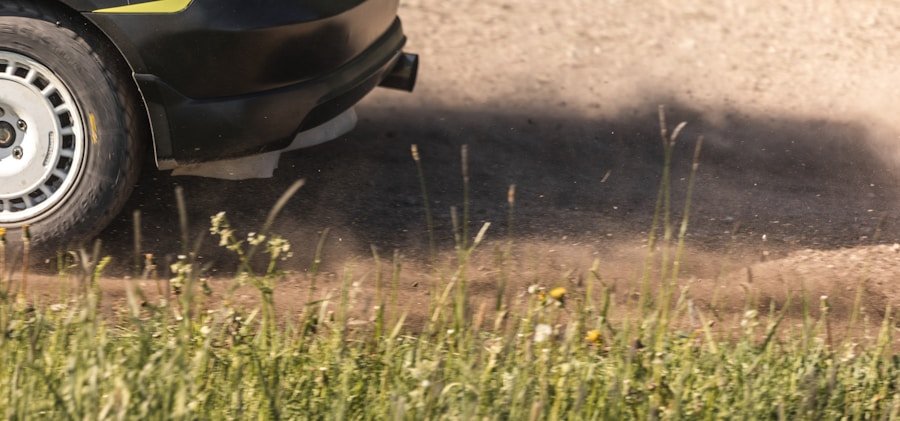

Sports photography is a unique and challenging genre that requires a deep understanding of the sport being captured, as well as the technical aspects of photography. It involves capturing fast-paced action, dynamic movement, and intense emotions, all while dealing with unpredictable lighting conditions and constantly changing subjects. To excel in sports photography, it is essential to have a good understanding of the sport being photographed, as well as the technical skills required to freeze action and capture the perfect moment.
In addition to technical skills, sports photographers must also possess a keen eye for composition and the ability to anticipate and react quickly to the action unfolding in front of them. They must be able to tell a story through their images, capturing the drama, excitement, and intensity of the sporting event. Sports photography also requires a high level of physical fitness and stamina, as photographers often have to move quickly and position themselves in challenging environments to get the best shots.
Utilizing High-Speed Shutter to Freeze Action
One of the most important technical aspects of sports photography is the use of a high-speed shutter to freeze action. When photographing fast-moving subjects, such as athletes in motion, it is crucial to use a fast shutter speed to capture sharp and crisp images. A shutter speed of at least 1/500th of a second is typically required to freeze action, but for extremely fast-moving subjects, such as sprinters or cyclists, even faster shutter speeds may be necessary.
In addition to using a high-speed shutter, sports photographers must also pay attention to their camera’s autofocus system and choose the appropriate focus mode to track and capture moving subjects. Continuous autofocus (AI Servo for Canon cameras or AF-C for Nikon cameras) is essential for keeping moving subjects in focus, while single autofocus (One Shot for Canon or AF-S for Nikon) is better suited for stationary subjects. By combining a high-speed shutter with an effective autofocus system, sports photographers can ensure that they capture sharp and dynamic images of the action.
Panning Techniques to Capture Dynamic Movement
Another important technique in sports photography is panning, which involves moving the camera in sync with a moving subject to create a sense of motion in the image. Panning allows photographers to capture dynamic movement and convey a sense of speed and energy in their images. To achieve a successful panning shot, photographers must use a slower shutter speed (typically around 1/30th of a second) and follow the movement of the subject with their camera while keeping the subject in focus.
Panning requires a high level of skill and practice, as it can be challenging to keep the subject in focus while moving the camera at the same time. It is important to maintain a steady hand and smooth movement to avoid camera shake and ensure that the subject remains sharp in the image. Panning can be particularly effective when photographing sports such as track and field, cycling, or motorsports, where there is a lot of fast-paced movement and action to capture.
Using Burst Mode to Capture the Perfect Moment
Burst mode, also known as continuous shooting mode, is a valuable tool for sports photographers as it allows them to capture a series of images in rapid succession. This can be particularly useful when trying to capture the perfect moment in fast-paced sports where timing is crucial. By shooting in burst mode, photographers can increase their chances of getting the perfect shot by capturing multiple frames in quick succession.
When using burst mode, it is important to anticipate the action and start shooting just before the decisive moment to ensure that you capture the peak of the action. This can be particularly effective when photographing sports such as basketball, soccer, or gymnastics, where split-second timing is essential. Burst mode also allows photographers to choose the best image from a series of shots, ensuring that they capture the most dynamic and impactful moment.
Incorporating Creative Composition to Enhance Action Shots
In addition to technical skills, creative composition plays a crucial role in enhancing action shots in sports photography. By using techniques such as leading lines, framing, and dynamic angles, photographers can create visually compelling images that draw the viewer into the action. Leading lines can be used to guide the viewer’s eye towards the main subject or point of interest in the image, while framing can help to create a sense of depth and context within the frame.
Dynamic angles, such as low or high viewpoints, can add drama and impact to sports images by offering a unique perspective on the action. By experimenting with different compositions and perspectives, photographers can create images that stand out and capture the energy and excitement of the sporting event. Creative composition can also help to convey the emotion and intensity of the moment, adding depth and storytelling elements to sports photographs.
Mastering Autofocus for Sharp and Crisp Images
Autofocus is a critical aspect of sports photography, as it allows photographers to track and capture fast-moving subjects with precision and accuracy. To achieve sharp and crisp images, it is essential to master your camera’s autofocus system and understand how to use it effectively in different shooting situations. Continuous autofocus (AI Servo for Canon cameras or AF-C for Nikon cameras) is particularly important for sports photography, as it allows photographers to track moving subjects and maintain focus as they move through the frame.
In addition to choosing the appropriate focus mode, it is important to select the right autofocus point or area to ensure that your subject remains sharp in the image. For sports with predictable movement patterns, such as track and field or swimming, it may be beneficial to pre-focus on a specific area of the frame where you anticipate the action will occur. By mastering autofocus techniques and understanding how to use them effectively in different sports scenarios, photographers can ensure that they capture sharp and dynamic images of the action.
Post-Processing Tips to Enhance Motion in Sports Photography
Post-processing plays an important role in enhancing motion in sports photography by allowing photographers to fine-tune their images and bring out the dynamic energy of the action. Techniques such as selective sharpening, contrast adjustments, and color grading can help to emphasize movement and create impactful images that convey the intensity and excitement of the sporting event. Selective sharpening can be used to enhance details and textures in specific areas of the image, such as an athlete’s muscles or equipment, adding depth and impact to the overall composition.
Contrast adjustments can help to bring out the dynamic range in sports images, making them more visually compelling and impactful. By adjusting contrast levels, photographers can create images with greater depth and dimension, drawing attention to key elements within the frame. Color grading can also play a significant role in enhancing motion in sports photography by adding drama and impact to the overall composition. By experimenting with different color tones and palettes, photographers can create images that convey emotion and intensity, adding depth and storytelling elements to their sports photographs.
In conclusion, sports photography is a challenging yet rewarding genre that requires a combination of technical skills, creative vision, and physical stamina. By understanding the basics of sports photography, utilizing high-speed shutter techniques, mastering panning techniques, using burst mode effectively, incorporating creative composition, mastering autofocus, and applying post-processing tips, photographers can capture dynamic and impactful images that convey the energy and excitement of sporting events. With practice and dedication, photographers can develop their own unique style and approach to sports photography, creating images that tell compelling stories and capture unforgettable moments in time.