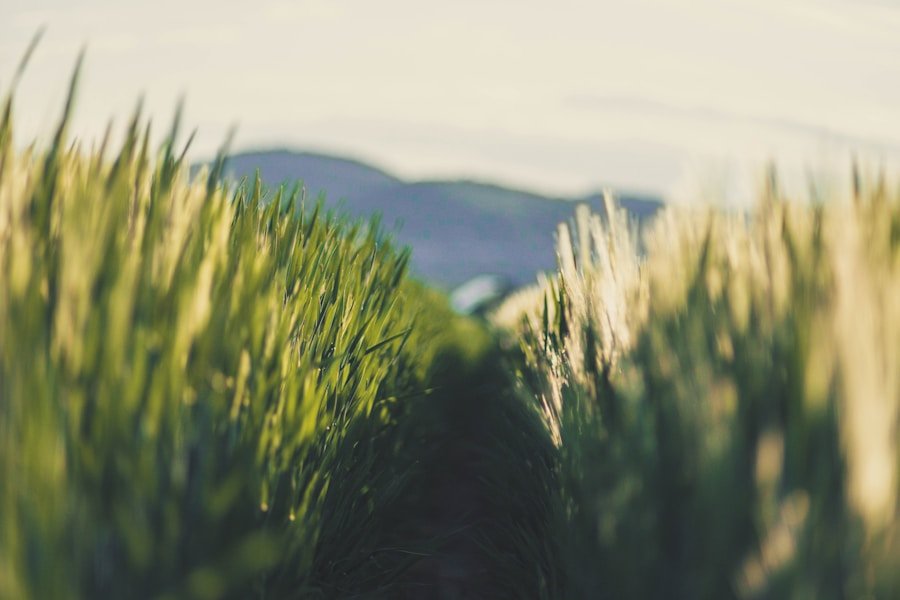

Portrait mode is a feature found on many modern smartphones and digital cameras that allows the photographer to capture a subject with a sharp focus on the subject while blurring the background. This effect is achieved through the use of a wide aperture, which creates a shallow depth of field. This mode is particularly popular for capturing portraits, as it helps to draw attention to the subject and create a more visually appealing image.
When using portrait mode, it’s important to keep in mind that the effect works best when there is a clear distinction between the subject and the background. This means that portrait mode is ideal for capturing images of people, pets, or objects with a significant amount of separation from the background. It’s also important to note that portrait mode may not work as effectively in low light conditions, as the wide aperture requires sufficient light to create the desired effect.
Overall, understanding how portrait mode works and when to use it can greatly enhance your photography skills and help you capture stunning portraits with your smartphone or digital camera.
Lighting and Composition
One of the most important aspects of capturing a great portrait is lighting. The right lighting can make all the difference in creating a flattering and visually appealing image. When shooting in portrait mode, it’s important to pay attention to the direction and quality of the light. Soft, diffused light is often preferred for portraits, as it helps to minimize harsh shadows and create a more flattering look for your subject.
In addition to lighting, composition also plays a crucial role in creating a compelling portrait. When composing your shot, consider the rule of thirds and how you can use it to create a balanced and visually interesting image. Pay attention to the background and make sure it complements your subject rather than detracting from them. By paying attention to both lighting and composition, you can greatly improve the quality of your portrait photography.
Choosing the Right Background
The background of a portrait can greatly impact the overall look and feel of the image. When choosing a background for your portrait, consider the mood and atmosphere you want to convey. A simple, uncluttered background can help draw attention to your subject, while a more complex background can add depth and interest to the image.
It’s also important to consider the colors and textures of the background and how they interact with your subject. Avoid backgrounds that clash with your subject’s clothing or distract from their features. Instead, look for backgrounds that complement your subject and help to tell a story or convey a certain mood.
Ultimately, choosing the right background for your portrait can greatly enhance the overall impact of your image and help you create a more compelling and visually appealing photograph.
Posing and Directing Your Subject
Posing and directing your subject is an essential part of capturing a great portrait. As the photographer, it’s your job to guide your subject and help them feel comfortable in front of the camera. Start by giving clear instructions on how you want your subject to pose, while also allowing them to express themselves naturally.
Encourage your subject to relax and be themselves, as this will help you capture more genuine and authentic expressions. Pay attention to their body language and facial expressions, and be ready to give gentle guidance if needed. Remember that every person is unique, so take the time to get to know your subject and find poses that flatter their individual features.
By effectively posing and directing your subject, you can capture portraits that are not only visually stunning but also convey a sense of personality and emotion.
Utilizing Editing Tools
Once you’ve captured your portrait, it’s time to utilize editing tools to enhance and refine your image. There are many different editing tools available, ranging from basic adjustments like exposure and contrast to more advanced features like skin retouching and color grading.
When editing your portrait, start by making basic adjustments to improve the overall look of the image. This may include adjusting exposure, contrast, and color balance to create a more visually appealing photograph. From there, consider more specific edits such as skin retouching or blemish removal if needed.
It’s important to remember that editing should enhance your portrait rather than completely alter it. Aim for a natural and realistic look that still captures the essence of your subject. By utilizing editing tools effectively, you can take your portraits to the next level and create images that truly stand out.
Experimenting with Different Angles and Perspectives
To add variety and interest to your portraits, consider experimenting with different angles and perspectives. Instead of always shooting at eye level, try shooting from above or below to create a unique and dynamic look. You can also experiment with different focal lengths and compositions to create visually interesting images.
Consider using leading lines or framing techniques to draw attention to your subject and create a more visually compelling image. Don’t be afraid to get creative and think outside the box when it comes to capturing portraits. By experimenting with different angles and perspectives, you can create portraits that are truly unique and captivating.
Practice and Patience
Finally, remember that capturing great portraits takes practice and patience. Don’t be discouraged if your first attempts don’t turn out exactly as you’d hoped. Keep practicing, experimenting, and learning from your mistakes. Over time, you’ll develop your own unique style and approach to capturing portraits that truly stand out.
Be patient with yourself and with your subjects, as great portraits often require time and effort to create. Keep pushing yourself to improve and refine your skills, and don’t be afraid to seek feedback from others. With dedication and perseverance, you can become a skilled portrait photographer capable of capturing stunning images that truly resonate with viewers.
In conclusion, capturing great portraits requires a combination of technical skill, creativity, and patience. By understanding portrait mode, paying attention to lighting and composition, choosing the right background, posing and directing your subject effectively, utilizing editing tools, experimenting with different angles and perspectives, and practicing patience, you can greatly improve your portrait photography skills and capture images that truly stand out. With dedication and practice, you can become a skilled portrait photographer capable of creating stunning images that resonate with viewers for years to come.