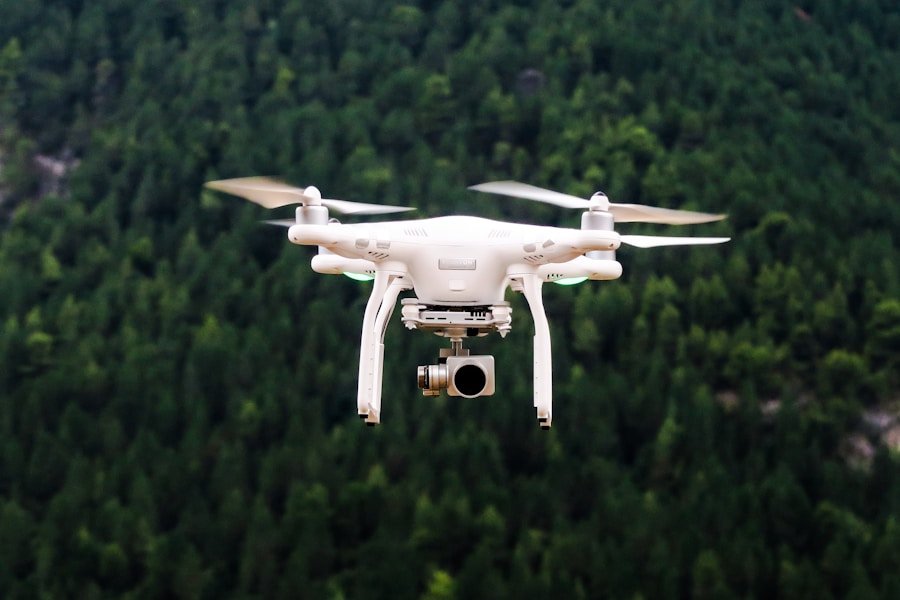

When it comes to aerial photography and videography, choosing the right drone and camera is crucial. There are a wide variety of drones on the market, each with its own set of features and capabilities. It’s important to consider factors such as flight time, camera quality, and stability when selecting a drone for aerial photography. Additionally, the camera you choose will greatly impact the quality of your shots. Look for a camera with a high resolution and the ability to shoot in RAW format for maximum flexibility in post-processing. Understanding the capabilities and limitations of your equipment is essential for capturing stunning aerial shots.
In addition to choosing the right drone and camera, it’s important to familiarize yourself with the specific features and settings of your equipment. Take the time to read the user manual and experiment with different modes and settings to understand how they impact your shots. Understanding the technical aspects of your equipment will allow you to make informed decisions when capturing aerial footage and will ultimately lead to better results.
Preparing for Flight: Checking Weather Conditions and Regulations
Before taking to the skies with your drone, it’s essential to check the weather conditions and familiarize yourself with any regulations or restrictions in your area. Adverse weather conditions such as strong winds or rain can greatly impact the stability and safety of your drone, so it’s important to assess the weather forecast before planning your flight. Additionally, be sure to check for any local regulations or restrictions on drone flight, as some areas may have specific rules regarding where and when drones can be flown. By taking the time to prepare for flight, you can ensure a safe and successful aerial photography session.
In addition to checking the weather and regulations, it’s important to assess the specific location where you plan to fly your drone. Look for open areas with minimal obstacles and obstructions to ensure a safe and unobstructed flight path. It’s also important to consider the time of day when planning your flight, as lighting conditions can greatly impact the quality of your aerial shots. By thoroughly preparing for flight, you can minimize potential risks and maximize the potential for capturing stunning aerial footage.
Planning Your Shot: Scouting Locations and Creating a Shot List
One of the key elements of successful aerial photography is careful planning and preparation. Before taking to the skies with your drone, take the time to scout potential locations and create a shot list of specific scenes or subjects you want to capture. Consider factors such as lighting, composition, and potential obstacles when selecting locations for aerial photography. By planning your shots in advance, you can ensure that you make the most of your flight time and capture a diverse range of stunning aerial footage.
In addition to scouting locations, creating a shot list can help you stay organized and focused during your aerial photography session. Consider the specific shots you want to capture, such as sweeping landscapes, architectural details, or dynamic action shots. By creating a shot list, you can ensure that you capture a variety of compelling footage and make the most of your time in the air. Planning your shots in advance will also help you stay focused and make efficient use of your drone’s battery life.
Mastering Flight Control: Practicing Smooth and Controlled Movements
Mastering flight control is essential for capturing smooth and professional-looking aerial footage. Take the time to practice flying your drone in a controlled and precise manner, using smooth movements to capture dynamic shots. Experiment with different flight modes and settings to understand how they impact the stability and control of your drone. By mastering flight control, you can ensure that you capture smooth and fluid footage that is free from jerky movements or sudden changes in direction.
In addition to practicing flight control, it’s important to understand how to use the various features and settings of your drone to enhance the quality of your aerial footage. Experiment with different camera angles and movements to capture dynamic and engaging shots. By mastering flight control and understanding how to use your drone’s features effectively, you can elevate the quality of your aerial photography and create stunning visual content.
Perfecting Composition: Understanding Framing and Angles
Composition is a key element of successful aerial photography, as it greatly impacts the visual impact of your shots. When capturing aerial footage, it’s important to consider factors such as framing, perspective, and angles to create visually compelling shots. Experiment with different framing techniques, such as leading lines or the rule of thirds, to create dynamic and engaging compositions. Additionally, consider the impact of different angles on your shots, such as low-angle or high-angle perspectives, to create visually interesting aerial footage.
In addition to perfecting composition, it’s important to consider how the unique perspective of aerial photography can be used to create visually striking shots. Experiment with different vantage points and perspectives to capture unique and captivating aerial footage. By understanding how composition and angles impact the visual impact of your shots, you can create stunning aerial photography that stands out from the crowd.
Utilizing Editing Software: Enhancing and Fine-Tuning Your Aerial Shots
Once you’ve captured aerial footage with your drone, it’s important to utilize editing software to enhance and fine-tune your shots. Editing software allows you to adjust factors such as exposure, color balance, and contrast to create visually stunning aerial photography. Experiment with different editing techniques to enhance the visual impact of your shots, such as adjusting levels or applying creative filters. By utilizing editing software effectively, you can elevate the quality of your aerial footage and create visually compelling visual content.
In addition to enhancing your shots, editing software allows you to fine-tune specific aspects of your aerial footage to create polished and professional-looking results. Consider factors such as sharpening, noise reduction, and image stabilization to ensure that your aerial photography is free from imperfections or distractions. By utilizing editing software effectively, you can ensure that your aerial footage is visually compelling and stands out from the crowd.
Safety First: Ensuring Responsible and Legal Drone Operation
When it comes to flying a drone for aerial photography, safety should always be a top priority. It’s important to familiarize yourself with local regulations and restrictions on drone flight, as well as any specific safety guidelines for operating a drone in your area. Additionally, be sure to assess potential risks and hazards before taking flight, such as obstacles or obstructions that could impact the safety of your drone operation. By prioritizing safety in your drone operation, you can ensure a responsible and legal approach to aerial photography.
In addition to prioritizing safety, it’s important to consider factors such as battery life and flight time when planning your aerial photography session. Be sure to monitor battery levels and plan for a safe return to home point before your drone’s battery runs low. Additionally, consider factors such as wind conditions and potential interference when planning your flight path to ensure a safe and successful aerial photography session. By prioritizing safety in all aspects of your drone operation, you can ensure responsible and legal drone operation while capturing stunning aerial footage.