
Composition and framing are essential elements of photography that can make or break a photo. Understanding how to compose a shot and frame your subject can greatly enhance the overall impact of your images. When it comes to composition, it’s important to consider the rule of thirds, leading lines, and symmetry. The rule of thirds involves dividing your frame into nine equal parts using two horizontal and two vertical lines, and placing your subject at the intersection points to create a more balanced and visually appealing composition. Leading lines can draw the viewer’s eye into the image and create a sense of depth, while symmetry can create a sense of balance and harmony in your photos.
Framing is another important aspect of photography that can help to draw attention to your subject and create a more dynamic and engaging image. By using elements within the scene to frame your subject, such as doorways, windows, or natural elements like trees or branches, you can add depth and interest to your photos. Additionally, experimenting with different angles and perspectives can also help to create more visually interesting compositions. By getting low to the ground or shooting from a higher vantage point, you can add a unique perspective to your images and create a more dynamic composition.
Mastering Lighting and Exposure
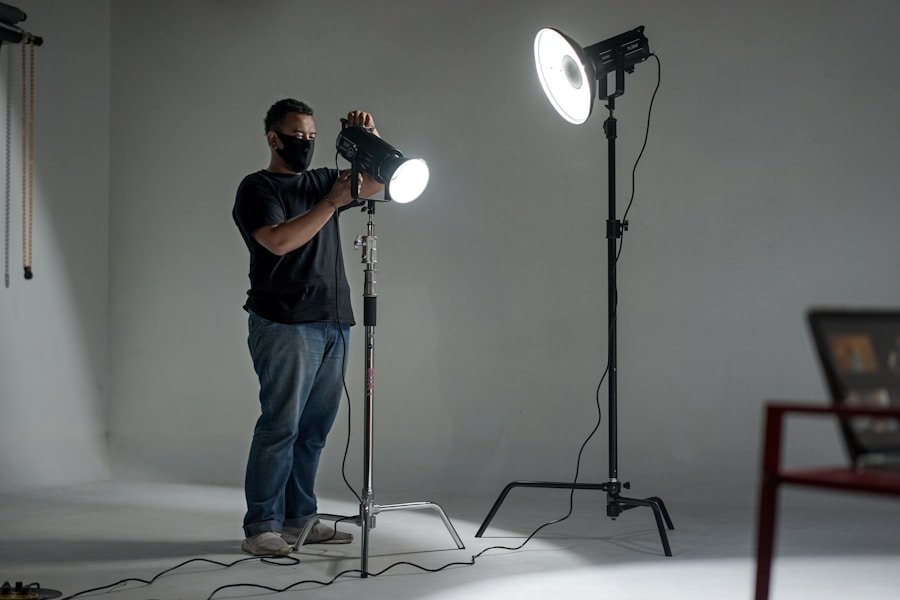
Lighting and exposure are two key factors that can greatly impact the quality of your photos. Understanding how to work with natural light and artificial light sources can help you to create more visually compelling images. When shooting in natural light, it’s important to pay attention to the direction and quality of the light. Soft, diffused light can create a more flattering and even illumination, while harsh, direct light can create strong shadows and highlights that may not be desirable. Additionally, understanding how to use artificial light sources, such as flash or studio lighting, can help you to create more controlled and consistent lighting in your photos.
Exposure is another important aspect of photography that can greatly impact the overall look and feel of your images. Understanding how to properly expose for different lighting conditions can help you to capture more detail and nuance in your photos. Learning how to use your camera’s exposure settings, such as aperture, shutter speed, and ISO, can help you to achieve the desired exposure for your images. Additionally, experimenting with different exposure techniques, such as long exposure or high dynamic range (HDR) photography, can help you to create more visually striking and unique images.
Utilizing Editing Apps and Tools
In today’s digital age, editing apps and tools have become an essential part of the photography process. Understanding how to use editing software can help you to enhance and refine your images to achieve the desired look and feel. There are a wide variety of editing apps and tools available, ranging from simple mobile apps to more advanced desktop software. Learning how to use basic editing tools, such as cropping, color correction, and exposure adjustments, can help you to improve the overall quality of your photos. Additionally, experimenting with more advanced editing techniques, such as retouching, compositing, and special effects, can help you to take your images to the next level.
When it comes to editing apps and tools, it’s important to find a workflow that works for you and allows you to achieve the desired results. Whether you prefer to use mobile apps for quick edits on the go or more advanced software for in-depth editing, finding the right tools for your needs is essential. Additionally, understanding how to use presets and filters can help you to achieve a consistent look and feel across your images. By creating a cohesive editing style, you can help to establish a more recognizable and unique aesthetic for your photography.
Incorporating Unique Perspectives and Angles
Incorporating unique perspectives and angles into your photography can help you to create more visually interesting and dynamic images. By experimenting with different vantage points and viewpoints, you can add depth and dimension to your photos. Getting low to the ground or shooting from a higher vantage point can help you to create a more unique perspective on your subject. Additionally, experimenting with different angles, such as shooting from above or below your subject, can help you to create more visually striking compositions.
When it comes to incorporating unique perspectives and angles into your photography, it’s important to think outside the box and experiment with different approaches. By challenging yourself to see things from a different point of view, you can create more visually compelling images that stand out from the crowd. Additionally, understanding how to use composition techniques, such as leading lines or framing, can help you to create more visually engaging compositions that draw the viewer’s eye into the image.
Capturing Authentic and Engaging Moments
Capturing authentic and engaging moments is an essential part of photography that can help you to create more emotionally resonant images. Whether you’re shooting portraits, street photography, or documentary work, capturing genuine moments can help you to create more impactful images. When it comes to capturing authentic moments, it’s important to be observant and patient, allowing the moments to unfold naturally without forcing them. By being present in the moment and connecting with your subjects, you can create more genuine and engaging images that resonate with viewers.
In addition to capturing authentic moments, it’s also important to consider the storytelling aspect of photography. By focusing on capturing moments that convey emotion, action, or narrative, you can create more compelling images that resonate with viewers on a deeper level. Whether you’re capturing a fleeting expression on someone’s face or documenting a significant event or interaction, focusing on storytelling can help you to create more engaging and impactful images.
Creating a Consistent Aesthetic
Creating a consistent aesthetic is an important aspect of photography that can help you to establish a recognizable style and brand for your work. Whether you’re shooting landscapes, portraits, or still life, having a cohesive aesthetic can help you to create a more unified body of work that resonates with viewers. When it comes to creating a consistent aesthetic, it’s important to consider factors such as color palette, mood, and visual style. By developing a signature look for your images, you can help to establish a more recognizable and unique brand for your photography.
In addition to developing a consistent aesthetic for your images, it’s also important to consider how your work is presented across different platforms. Whether you’re sharing your work on social media, in print publications, or on your own website, having a cohesive visual style can help you to create a more unified and impactful presence. By developing a consistent visual language for your photography, you can help to establish a more cohesive and memorable brand for your work.
Engaging with Your Audience and Building a Community
Engaging with your audience and building a community around your photography is an important aspect of growing as a photographer. Whether you’re sharing your work on social media or participating in local events or exhibitions, connecting with others who share your passion for photography can help you to gain valuable feedback and support for your work. When it comes to engaging with your audience, it’s important to be open and responsive to feedback and criticism, as this can help you to grow as a photographer.
In addition to engaging with your audience online or in person, building a community around your photography can also provide valuable opportunities for collaboration and networking. Whether you’re connecting with other photographers through online forums or local meetups, building relationships with others in the photography community can help you to gain valuable insights and support for your work. By fostering a sense of community around your photography, you can create more meaningful connections with others who share your passion for the art form.
In conclusion, mastering the art of photography involves understanding composition and framing, mastering lighting and exposure, utilizing editing apps and tools, incorporating unique perspectives and angles, capturing authentic and engaging moments, creating a consistent aesthetic, and engaging with your audience and building a community around your work. By focusing on these key aspects of photography, you can develop a more nuanced understanding of the art form and create more impactful and visually compelling images that resonate with viewers. Whether you’re an amateur enthusiast or a professional photographer, honing these skills can help you to grow as an artist and create work that stands out from the crowd.