
Drone footage editing is a specialized skill that requires a deep understanding of both the technical aspects of drone operation and the creative elements of video editing. When working with drone footage, it’s important to consider the unique challenges and opportunities that come with aerial videography. One of the key considerations when editing drone footage is the need to stabilize and smooth out the footage to eliminate any unwanted shaking or jerky movements. This can be achieved through the use of specialized software and techniques such as warp stabilizers and motion tracking.
Another important aspect of drone footage editing is the need to carefully plan and execute the shots to ensure that the footage captures the desired visual impact. This may involve scouting locations, planning flight paths, and coordinating with other crew members to ensure that the footage meets the creative vision of the project. Additionally, understanding the limitations and capabilities of different drones and camera systems is crucial for achieving the best results in post-production. By understanding the basics of drone footage editing, editors can effectively enhance the visual storytelling and create stunning cinematic experiences for their audience.
Choosing the Right Software for Editing Drone Footage
When it comes to editing drone footage, choosing the right software is crucial for achieving professional results. There are a variety of software options available, each with its own strengths and weaknesses. One popular choice for drone footage editing is Adobe Premiere Pro, which offers a wide range of tools and features for editing and enhancing aerial footage. Premiere Pro allows editors to easily import and organize drone footage, apply color grading and correction, add transitions and effects, and integrate sound design and music to create a cohesive visual story.
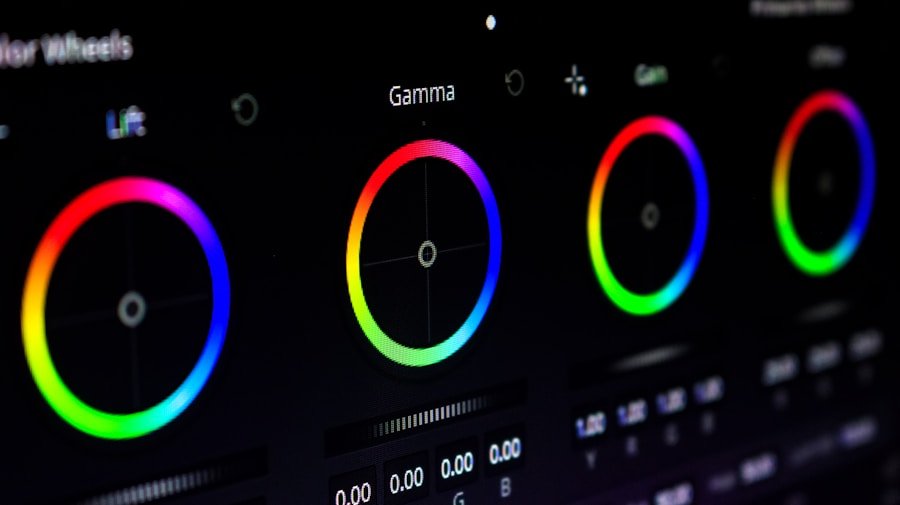
Another popular option for editing drone footage is DaVinci Resolve, which is known for its powerful color grading and correction capabilities. This software is particularly well-suited for enhancing the visual impact of drone footage through precise color adjustments and creative grading techniques. Other software options such as Final Cut Pro X and Avid Media Composer also offer robust tools for editing drone footage, making it important for editors to carefully consider their specific needs and preferences when choosing the right software for their projects. By selecting the right software, editors can effectively harness the full potential of their drone footage and create visually stunning cinematic experiences.
Utilizing Color Grading and Correction for Cinematic Impact
Color grading and correction play a crucial role in enhancing the visual impact of drone footage and creating a cinematic look and feel. When working with aerial videography, it’s important to carefully consider the color temperature, contrast, saturation, and overall tonal balance of the footage to achieve a cohesive and visually striking result. One effective technique for enhancing drone footage is to apply creative color grading to evoke specific moods and emotions, such as using warm tones for a sunset scene or cool tones for a serene landscape.
In addition to creative color grading, it’s also important to carefully correct any technical issues with the footage, such as exposure problems or white balance inconsistencies. This may involve using tools such as curves, levels, and color wheels to fine-tune the overall look of the footage and ensure that it meets professional standards. By utilizing color grading and correction techniques, editors can effectively elevate the visual impact of drone footage and create a cinematic experience that captivates and engages the audience.
Incorporating Transitions and Effects to Enhance the Visual Storytelling
Incorporating transitions and effects is an essential aspect of editing drone footage to enhance the visual storytelling and create a seamless viewing experience. When working with aerial videography, it’s important to carefully consider how transitions can be used to smoothly connect different shots and create a cohesive narrative flow. This may involve using techniques such as cross dissolves, wipes, or match cuts to transition between scenes and maintain visual continuity.
In addition to transitions, adding effects such as lens flares, light leaks, or atmospheric elements can further enhance the visual impact of drone footage and create a more immersive viewing experience. These effects can be used to add depth and dimension to the footage, evoke specific moods or atmospheres, and create a sense of visual interest and excitement. By incorporating transitions and effects, editors can effectively elevate the visual storytelling of drone footage and create a dynamic and engaging cinematic experience for their audience.
Adding Sound Design and Music to Elevate the Emotional Impact
Sound design and music play a crucial role in elevating the emotional impact of drone footage and creating a more immersive viewing experience. When working with aerial videography, it’s important to carefully consider how sound can be used to enhance the visual storytelling and evoke specific emotions in the audience. This may involve adding ambient sounds such as wind or birdsong to create a sense of atmosphere, or using sound effects to emphasize key moments in the footage.
In addition to sound design, selecting the right music is essential for creating a cohesive and emotionally impactful viewing experience. The choice of music can greatly influence the mood and tone of the footage, whether it’s an uplifting orchestral score for a majestic landscape or a pulsing electronic track for an action-packed sequence. By carefully selecting and integrating sound design and music, editors can effectively elevate the emotional impact of drone footage and create a more immersive cinematic experience for their audience.
Creating Dynamic Camera Movements and Angles for Dramatic Effect
Creating dynamic camera movements and angles is essential for achieving dramatic impact in drone footage editing. Aerial videography offers unique opportunities for capturing stunning visuals from different perspectives, whether it’s sweeping panoramic shots or dynamic tracking movements. When editing drone footage, it’s important to carefully consider how camera movements can be used to enhance the visual storytelling and create a sense of drama and excitement.
One effective technique for creating dynamic camera movements is to use keyframe animation to add motion to static shots or create smooth transitions between different angles. This may involve panning, tilting, or zooming in on specific elements in the footage to draw attention or create a sense of movement. Additionally, utilizing different camera angles such as high-angle or low-angle shots can further enhance the visual impact of drone footage and create a more dynamic viewing experience. By creating dynamic camera movements and angles, editors can effectively elevate the dramatic effect of drone footage and create visually stunning cinematic experiences for their audience.
Finalizing the Edit and Exporting for Maximum Cinematic Impact
Finalizing the edit and exporting drone footage is a crucial step in achieving maximum cinematic impact. When completing the editing process, it’s important to carefully review the entire sequence to ensure that it meets the creative vision of the project. This may involve fine-tuning color grading, adjusting sound levels, refining transitions and effects, and ensuring that all elements work together cohesively to create a visually stunning cinematic experience.
Once the edit is finalized, it’s important to carefully consider how the footage will be exported to achieve maximum visual impact. This may involve selecting the appropriate resolution, frame rate, and codec settings to ensure that the footage maintains its quality when viewed on different devices or platforms. Additionally, considering how the footage will be presented – whether it’s on a large screen in a theater or on a mobile device – is crucial for optimizing the viewing experience. By finalizing the edit and exporting drone footage with maximum cinematic impact in mind, editors can effectively showcase their creative vision and create visually stunning experiences that captivate and engage their audience.
In conclusion, editing drone footage is a specialized skill that requires a deep understanding of both technical aspects of drone operation and creative elements of video editing. By carefully considering factors such as color grading, transitions, sound design, camera movements, and finalizing the edit, editors can effectively elevate the visual storytelling of drone footage and create visually stunning cinematic experiences that captivate their audience. With careful planning, attention to detail, and creative vision, editors can harness the full potential of drone footage to create immersive cinematic experiences that leave a lasting impression on their audience.