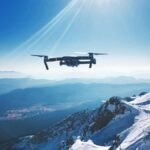

When it comes to flying drones, understanding weather conditions is crucial for ensuring the safety of both the drone and those around it. Weather conditions such as rain, wind, fog, snow, ice, heat, and storms can all have a significant impact on the performance and safety of a drone. It is important for drone pilots to have a good understanding of how these weather conditions can affect their drones and to take appropriate precautions when flying in adverse weather.
In addition to understanding how weather conditions can affect drone performance, it is also important for drone pilots to be aware of the potential risks associated with flying in different weather conditions. For example, flying in windy conditions can make it difficult to control the drone and increase the risk of crashes, while flying in foggy conditions can reduce visibility and make it harder to navigate. By understanding these risks and taking appropriate precautions, drone pilots can ensure the safety of their drones and those around them.
Tips for Flying Drones in Rainy and Windy Conditions
Flying drones in rainy and windy conditions can be challenging, but with the right precautions and techniques, it can be done safely. When flying in rainy conditions, it is important to ensure that the drone is equipped with waterproofing or water-resistant features to protect it from water damage. Additionally, it is important to avoid flying in heavy rain or thunderstorms, as these conditions can pose a significant risk to the drone’s safety.
In windy conditions, it is important to be mindful of the drone’s stability and control. Pilots should avoid flying in strong gusts of wind and should be prepared to make adjustments to the drone’s flight path to compensate for the wind. It is also important to keep the drone within line of sight and to avoid flying in areas with obstacles that could obstruct the drone’s flight path. By taking these precautions and being mindful of the weather conditions, drone pilots can safely fly their drones in rainy and windy conditions.
Precautions for Flying Drones in Foggy and Hazy Conditions
Flying drones in foggy and hazy conditions requires extra caution and attention to detail. In these conditions, visibility is significantly reduced, making it more difficult to navigate and control the drone. It is important for drone pilots to ensure that they have a clear line of sight to the drone at all times and to avoid flying in areas with low visibility. Additionally, it is important to use caution when flying near obstacles or structures that may be obscured by fog or haze.
In foggy and hazy conditions, it is also important to be mindful of the potential impact on the drone’s sensors and GPS systems. Reduced visibility can affect the accuracy of these systems, making it more difficult to maintain control of the drone. Pilots should be prepared to rely on manual control if necessary and should avoid relying solely on automated flight modes in these conditions. By taking these precautions and being mindful of the potential risks, drone pilots can safely navigate foggy and hazy conditions.
Expert Advice for Flying Drones in Snowy and Icy Conditions
Flying drones in snowy and icy conditions requires careful planning and preparation to ensure the safety of the drone and those around it. In these conditions, it is important for drone pilots to ensure that their drones are equipped with features such as de-icing systems and cold-weather batteries to protect them from the cold and moisture. Additionally, it is important to be mindful of the impact of snow and ice on the drone’s sensors and GPS systems, which can affect its stability and control.
When flying in snowy and icy conditions, it is important for drone pilots to be mindful of the potential risks associated with these conditions. Snow and ice can reduce visibility and make it more difficult to navigate, increasing the risk of crashes or loss of control. It is important for pilots to be prepared to make adjustments to their flight path and to rely on manual control if necessary. By taking these precautions and being mindful of the potential risks, drone pilots can safely fly their drones in snowy and icy conditions.
Safety Measures for Flying Drones in Hot and Sunny Conditions
Flying drones in hot and sunny conditions requires careful consideration of the potential impact of heat and sunlight on the drone’s performance. In these conditions, it is important for drone pilots to ensure that their drones are equipped with features such as heat-resistant materials and cooling systems to protect them from overheating. Additionally, it is important to be mindful of the potential impact of direct sunlight on the drone’s sensors and camera, which can affect its performance and image quality.
When flying in hot and sunny conditions, it is also important for drone pilots to be mindful of the potential impact on battery life. High temperatures can reduce the efficiency of the drone’s batteries, leading to shorter flight times and increased risk of power failure. Pilots should be prepared to monitor their battery levels closely and to land the drone if necessary to avoid running out of power mid-flight. By taking these safety measures and being mindful of the potential impact of heat and sunlight, drone pilots can safely fly their drones in hot and sunny conditions.
How to Navigate Stormy and Thunderous Weather with Drones
Flying drones in stormy and thunderous weather requires extreme caution and careful consideration of the potential risks involved. In these conditions, it is important for drone pilots to prioritize safety above all else and to avoid flying in severe weather whenever possible. Stormy weather can pose a significant risk to the safety of the drone and those around it, making it essential for pilots to exercise good judgment and make responsible decisions about when to fly.
When navigating stormy and thunderous weather with drones, it is important for pilots to be mindful of the potential impact on the drone’s stability and control. Strong winds, heavy rain, and lightning can all pose significant risks to the safety of the drone, making it more difficult to maintain control and navigate safely. It is important for pilots to be prepared to make adjustments to their flight path or land the drone if necessary to avoid putting it at risk. By prioritizing safety and being mindful of the potential risks involved, drone pilots can navigate stormy and thunderous weather with caution.
Best Practices for Drone Flying in Various Weather Conditions
In conclusion, flying drones in various weather conditions requires careful planning, preparation, and consideration of potential risks. By understanding how different weather conditions can affect drone performance and taking appropriate precautions, drone pilots can ensure the safety of their drones and those around them. Whether flying in rainy, windy, foggy, snowy, icy, hot, sunny, or stormy weather, it is essential for pilots to prioritize safety above all else and make responsible decisions about when to fly.
By following best practices for drone flying in various weather conditions, including equipping drones with appropriate features, being mindful of potential risks, and exercising good judgment, drone pilots can safely navigate adverse weather conditions. Ultimately, by prioritizing safety and being prepared for different weather scenarios, drone pilots can enjoy flying their drones while minimizing risks to themselves and others. With careful planning and consideration of potential risks, drone pilots can safely navigate various weather conditions while ensuring the safety of their drones.