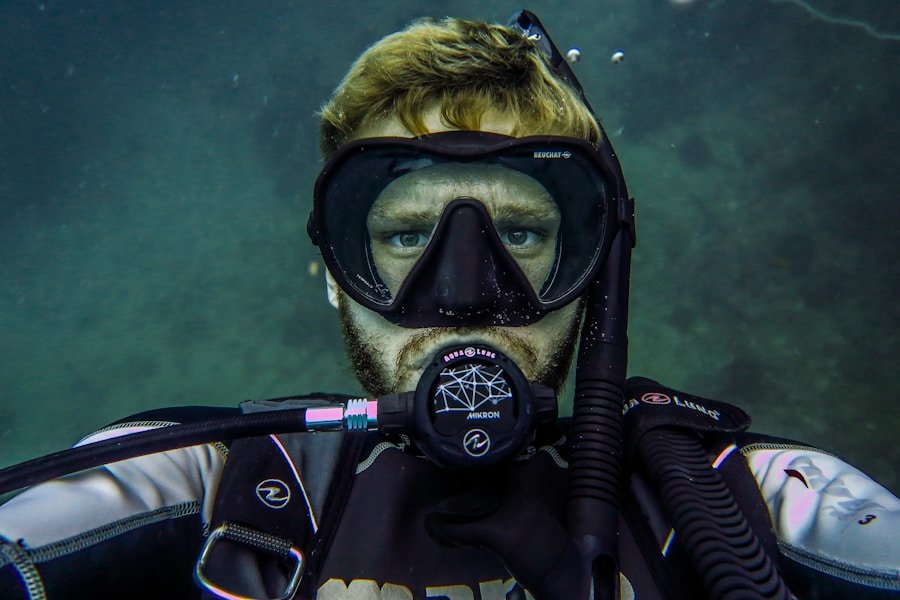

When it comes to underwater photography, choosing the right action camera is crucial for capturing stunning shots. There are several factors to consider when selecting an action camera for underwater use. Firstly, it’s important to look for a camera that is specifically designed for underwater photography, with features such as waterproof casing and a durable build. Additionally, consider the camera’s image quality, resolution, and frame rate to ensure that it can capture clear and sharp images in the underwater environment. Look for a camera with a wide-angle lens to capture the expansive underwater scenery, and consider features such as image stabilization and low-light performance for shooting in challenging conditions. Finally, consider the camera’s size and weight, as well as its compatibility with underwater accessories such as mounts and lighting systems. By carefully considering these factors, you can choose an action camera that is well-suited for underwater photography and will help you capture stunning underwater shots.
When choosing an action camera for underwater photography, it’s important to consider the specific features that will enhance your ability to capture stunning underwater shots. Look for a camera with a high resolution and frame rate to ensure that it can capture clear and sharp images of fast-moving underwater subjects. Additionally, consider the camera’s low-light performance, as many underwater environments can be dimly lit. Look for a camera with image stabilization to minimize blurriness in your shots, and consider features such as manual exposure control and white balance adjustment for greater creative control. Finally, consider the camera’s size and weight, as well as its compatibility with underwater accessories such as mounts and lighting systems. By carefully considering these features, you can choose an action camera that is well-suited for underwater photography and will help you capture stunning underwater shots.
Understanding the Basics of Underwater Photography
Before diving into underwater photography, it’s important to understand the basics of capturing stunning shots beneath the surface. One of the key considerations in underwater photography is the impact of water on light and color. As light travels through water, it is absorbed and scattered, resulting in a loss of color and contrast. To combat this effect, it’s important to shoot close to your subject to minimize the distance that light must travel through water. Additionally, consider using a color correction filter to restore natural colors to your images. Understanding the behavior of light in water will help you capture vibrant and colorful underwater shots.
Another important aspect of underwater photography is understanding the impact of water pressure on your equipment. As you descend beneath the surface, water pressure increases, which can affect the performance of your camera and housing. It’s important to choose a camera and housing that are rated for the depths at which you plan to shoot, and to regularly maintain and inspect your equipment for signs of wear or damage. Understanding the impact of water pressure on your equipment will help you capture stunning underwater shots while protecting your gear from damage.
Mastering the Art of Composition and Framing
Composition and framing are essential elements of creating stunning underwater shots. When composing your shots, consider the unique perspective that shooting underwater offers. Look for interesting foreground elements such as coral reefs or marine life to add depth and dimension to your images. Additionally, consider using leading lines to draw the viewer’s eye through the frame, and look for opportunities to create dynamic compositions by incorporating movement and action into your shots. By mastering the art of composition and framing, you can create visually compelling underwater images that captivate viewers.
In addition to composition, framing is an important consideration in underwater photography. When framing your shots, consider the impact of water on perspective and scale. Objects appear larger and closer underwater due to the magnifying effect of water, so be mindful of how this will affect your compositions. Additionally, consider using negative space to create a sense of openness and freedom in your images, and look for opportunities to frame your subjects within natural elements such as rock formations or coral reefs. By mastering the art of composition and framing, you can create visually striking underwater images that effectively convey the beauty and wonder of the underwater world.
Utilizing Natural Light and Artificial Lighting for Stunning Shots
Lighting is a critical element in underwater photography, and understanding how to utilize natural light and artificial lighting can help you capture stunning shots beneath the surface. When shooting in natural light, it’s important to be mindful of the angle and intensity of sunlight as it filters through the water. Consider shooting during the golden hours of sunrise and sunset when light is softer and more diffused, or look for opportunities to shoot in shallow waters where sunlight can penetrate more effectively. Additionally, consider using natural light to create dramatic effects such as silhouettes or sunbursts, which can add visual interest to your underwater shots.
In addition to natural light, artificial lighting can be used to enhance your underwater images. Consider using strobes or continuous lights to illuminate your subjects and restore natural colors to your images. When using artificial lighting, it’s important to be mindful of the angle and intensity of light to avoid harsh shadows or overexposure. Additionally, consider using diffusers or reflectors to soften and redirect light for more flattering results. By understanding how to utilize natural light and artificial lighting, you can capture stunning underwater shots that effectively convey the beauty and diversity of the underwater world.
Capturing the Action: Tips for Shooting Moving Subjects Underwater
Capturing the action in underwater photography requires a different set of skills and techniques than shooting static subjects. When shooting moving subjects such as marine life or divers, it’s important to be prepared and adaptable in order to capture compelling action shots. One key consideration is understanding the behavior and movement patterns of your subjects in order to anticipate their actions and position yourself accordingly. Additionally, consider using burst mode or continuous shooting to capture a series of images in rapid succession, increasing your chances of capturing a decisive moment. By being patient and observant, you can capture stunning action shots that effectively convey the energy and dynamism of the underwater world.
In addition to understanding your subjects’ behavior, it’s important to be mindful of your own movement and positioning when shooting moving subjects underwater. Consider using neutral buoyancy techniques to maintain a steady position in the water, allowing you to focus on framing and capturing your subjects without being affected by currents or turbulence. Additionally, consider using panning techniques to track moving subjects as they swim through the water, creating dynamic and engaging action shots. By mastering these techniques, you can capture stunning action shots that effectively convey the energy and vitality of the underwater world.
Post-Processing and Editing Techniques for Underwater Action Shots
After capturing stunning underwater action shots, post-processing and editing techniques can help enhance your images and bring out their full potential. One key consideration in post-processing is color correction, as water absorbs and scatters light, resulting in a loss of color and contrast in underwater images. Consider using software tools such as Adobe Lightroom or Photoshop to adjust white balance, exposure, and saturation to restore natural colors to your images. Additionally, consider using sharpening tools to enhance detail and clarity in your shots, bringing out the intricate textures and patterns of marine life and underwater scenery.
In addition to color correction, consider using creative editing techniques such as cropping or compositing to enhance the composition and visual impact of your images. By carefully cropping your shots, you can eliminate distracting elements and draw attention to your subjects, creating more compelling and focused compositions. Additionally, consider compositing multiple images to create panoramic or wide-angle views of underwater scenes, allowing you to convey the expansive beauty of the underwater world. By mastering these post-processing and editing techniques, you can enhance your underwater action shots and create visually stunning images that captivate viewers.
Safety Precautions and Maintenance for Underwater Photography Equipment
When engaging in underwater photography, safety precautions and equipment maintenance are essential considerations for protecting yourself and your gear while capturing stunning shots beneath the surface. One key safety precaution is ensuring that you are properly trained and certified in scuba diving or snorkeling before attempting underwater photography. Understanding how to navigate underwater environments safely will help you avoid accidents or injuries while shooting in challenging conditions. Additionally, consider using a dive buddy system or safety diver when shooting in remote or hazardous locations, providing an extra layer of protection in case of emergencies.
In addition to safety precautions, regular maintenance of your equipment is crucial for ensuring its performance and longevity in underwater environments. After each dive, thoroughly rinse your camera and housing with fresh water to remove salt residue and debris that can cause corrosion or damage. Additionally, regularly inspect O-rings, seals, and other critical components for signs of wear or damage, replacing them as needed to maintain a watertight seal. Finally, store your equipment in a dry and secure location between dives to prevent damage from moisture or impact. By following these safety precautions and maintenance practices, you can protect yourself and your gear while capturing stunning underwater shots.
In conclusion, capturing stunning underwater action shots requires careful consideration of equipment, techniques, and safety precautions. By choosing the right action camera for underwater photography, understanding the basics of shooting beneath the surface, mastering composition and lighting techniques, capturing moving subjects with skill and patience, utilizing post-processing tools effectively, and prioritizing safety precautions and equipment maintenance, you can create visually compelling images that effectively convey the beauty and wonder of the underwater world. With dedication, practice, and a deep appreciation for the marine environment, you can capture stunning underwater action shots that inspire awe and admiration in viewers around the world.