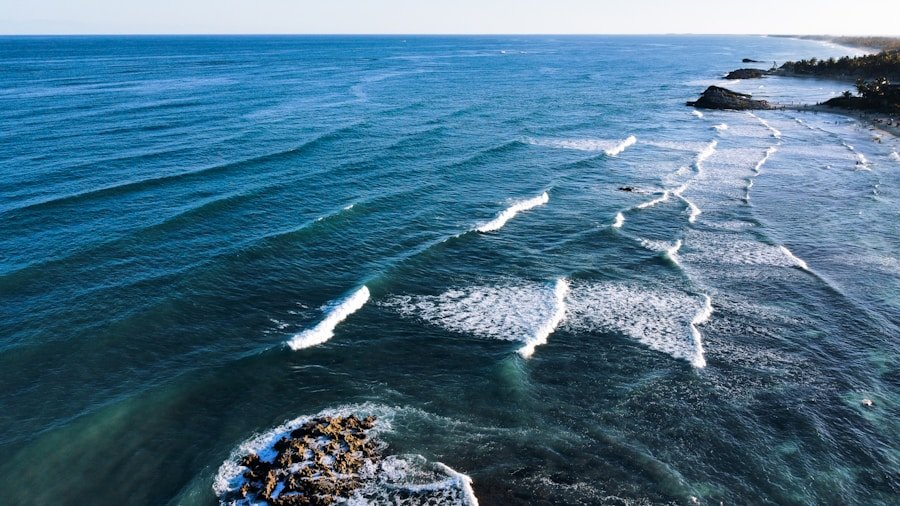

Drones have revolutionized the world of cinematography, offering filmmakers and videographers a new perspective and creative freedom that was previously unattainable. These unmanned aerial vehicles (UAVs) have become an essential tool for capturing breathtaking aerial shots, dynamic tracking shots, and immersive establishing shots. With the ability to fly at varying altitudes and angles, drones have opened up a world of possibilities for filmmakers, allowing them to capture stunning visuals that were once only possible with expensive helicopter rentals or elaborate rigging setups.
The use of drones in cinematography has become increasingly popular in recent years, as advancements in technology have made them more accessible and user-friendly. Filmmakers are now able to capture high-quality aerial footage with ease, allowing them to add a new dimension to their storytelling and visual aesthetics. From sweeping landscapes to intimate close-ups, drones have the ability to capture a wide range of shots that can enhance the overall visual appeal of a film or video production.
Advantages of Using Drones in Professional Videography
The use of drones in professional videography offers a multitude of advantages that have transformed the way filmmakers approach their craft. One of the most significant advantages of using drones is the ability to capture stunning aerial shots that were once only possible with expensive equipment and extensive planning. Drones allow filmmakers to easily capture dynamic and immersive footage from unique vantage points, adding a new level of visual interest to their productions.
In addition to capturing breathtaking aerial shots, drones also offer filmmakers the ability to capture smooth and dynamic tracking shots that were once only possible with expensive camera rigs and equipment. With the use of drones, filmmakers can now effortlessly capture smooth and fluid tracking shots that add a sense of movement and energy to their productions. This level of flexibility and versatility has allowed filmmakers to push the boundaries of their creativity, resulting in visually stunning and captivating footage that engages audiences on a whole new level.
Breaking Barriers with Aerial Shots
The use of drones in cinematography has broken down barriers and opened up new possibilities for capturing aerial shots that were once only possible with expensive equipment and extensive planning. Drones have allowed filmmakers to capture stunning aerial footage from unique vantage points, offering a new perspective that adds depth and visual interest to their productions. From sweeping landscapes to intimate close-ups, drones have the ability to capture a wide range of shots that can enhance the overall visual appeal of a film or video production.
One of the most significant advantages of using drones is the ability to capture dynamic and immersive footage that engages audiences on a whole new level. With the use of drones, filmmakers can effortlessly capture smooth and fluid tracking shots that add a sense of movement and energy to their productions. This level of flexibility and versatility has allowed filmmakers to push the boundaries of their creativity, resulting in visually stunning and captivating footage that captivates audiences.
Overcoming Challenges and Limitations
While drones offer a multitude of advantages for filmmakers, there are also challenges and limitations that must be considered when using them for cinematography. One of the main challenges is the need for skilled operators who are able to navigate the drone safely and effectively in order to capture the desired shots. Additionally, there are limitations on where drones can be flown, as they are subject to airspace regulations and restrictions that must be adhered to in order to ensure safety and compliance.
Another challenge is the potential for technical issues or malfunctions that can arise when using drones for cinematography. Filmmakers must be prepared to troubleshoot any technical issues that may arise during a shoot, as well as have backup plans in place in case the drone becomes inoperable. Additionally, weather conditions can also pose a challenge when using drones, as high winds or inclement weather can impact the ability to safely fly and capture footage.
The Impact of Drones on Storytelling and Visual Aesthetics
The use of drones in cinematography has had a profound impact on storytelling and visual aesthetics, offering filmmakers a new tool for capturing stunning visuals that enhance the overall narrative and visual appeal of their productions. Drones have allowed filmmakers to capture breathtaking aerial shots that add depth and dimension to their storytelling, offering audiences a new perspective that immerses them in the world of the film or video production.
In addition to capturing stunning aerial shots, drones also offer filmmakers the ability to capture smooth and dynamic tracking shots that add movement and energy to their productions. This level of flexibility and versatility has allowed filmmakers to push the boundaries of their creativity, resulting in visually stunning and captivating footage that engages audiences on a whole new level. The use of drones has also allowed filmmakers to capture shots that were once only possible with expensive equipment and extensive planning, offering a new level of visual interest that captivates audiences.
Legal and Safety Considerations for Drone Cinematography
When using drones for cinematography, it is essential for filmmakers to consider legal and safety considerations in order to ensure compliance with regulations and mitigate potential risks. One of the main considerations is obtaining the necessary permits and permissions for flying drones in specific locations, as there are often restrictions on where drones can be flown due to airspace regulations and privacy concerns. Filmmakers must also consider safety protocols when operating drones, ensuring that they are flown in a manner that minimizes risks to people and property.
In addition to legal and safety considerations, filmmakers must also consider the potential impact of drones on wildlife and natural environments when using them for cinematography. Drones have the potential to disturb wildlife and disrupt natural habitats, so it is essential for filmmakers to be mindful of their impact on the environment when using drones for capturing footage. By considering these legal and safety considerations, filmmakers can ensure that they are using drones responsibly and ethically in their productions.
The Future of Drones in Cinematography
The future of drones in cinematography is bright, as advancements in technology continue to make them more accessible and user-friendly for filmmakers. As drone technology continues to evolve, we can expect to see even more innovative uses for drones in cinematography, offering filmmakers new tools for capturing stunning visuals that enhance the overall narrative and visual appeal of their productions. From capturing breathtaking aerial shots to dynamic tracking shots, drones offer a level of flexibility and versatility that allows filmmakers to push the boundaries of their creativity, resulting in visually stunning and captivating footage that engages audiences on a whole new level.
In addition to advancements in technology, we can also expect to see continued developments in regulations and safety protocols for using drones in cinematography. As the use of drones becomes more widespread, it is essential for filmmakers to stay informed about changes in regulations and best practices for using drones responsibly and ethically in their productions. By staying informed about these developments, filmmakers can continue to harness the power of drones as a tool for capturing stunning visuals that enhance the overall storytelling and visual aesthetics of their productions.

Other Articles