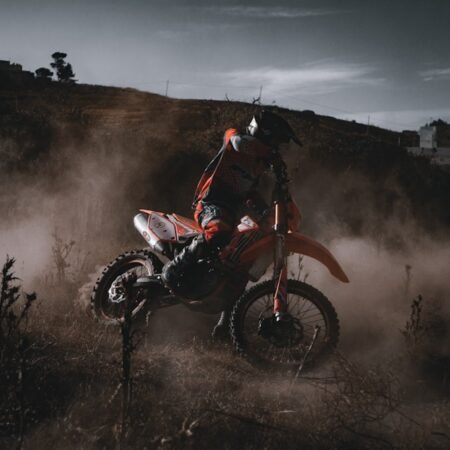

Extreme sports photography is a thrilling and adrenaline-pumping genre of photography that captures the heart-stopping moments of athletes pushing their limits in extreme environments. From cliff diving to mountain biking, extreme sports photography requires a unique set of skills and equipment to capture the action-packed moments. It’s not just about having a good eye for composition and timing, but also about being prepared for the unpredictable nature of extreme sports. In this article, we will explore the importance of safety gear, recovery gear, harnesses and ropes, floatation devices, first aid kits, and emergency communication devices for extreme sports photographers. By being well-prepared and equipped with the right gear, photographers can ensure their safety while capturing breathtaking images of extreme sports.
Extreme sports photography is not for the faint of heart. It requires photographers to be physically fit, mentally prepared, and equipped with the right gear to capture the heart-stopping moments of extreme athletes. Whether it’s capturing the rush of wind as a skydiver freefalls from a plane or the intense concentration of a rock climber scaling a steep cliff, extreme sports photography requires photographers to be in the thick of the action. With the right gear and preparation, photographers can capture stunning images that showcase the raw energy and passion of extreme sports.
Importance of Safety Gear in Extreme Sports Photography
When it comes to extreme sports photography, safety should always be the number one priority. The unpredictable nature of extreme sports means that photographers need to be prepared for any situation that may arise. This is where safety gear comes into play. From helmets and protective eyewear to harnesses and ropes, safety gear is essential for protecting photographers from potential hazards while capturing extreme sports. Without the proper safety gear, photographers are putting themselves at risk of injury or worse. It’s crucial for photographers to invest in high-quality safety gear that is specifically designed for the demands of extreme sports photography.
In addition to protecting themselves, photographers also need to consider the safety of the athletes they are photographing. By wearing safety gear, photographers can set a positive example for athletes and encourage them to prioritize their own safety. This not only helps to create a safer environment for everyone involved but also ensures that photographers can continue capturing stunning images without putting themselves or others at risk. In the fast-paced world of extreme sports photography, safety gear is not just a luxury – it’s a necessity.
Essential Recovery Gear for Extreme Sports Shooters
In the world of extreme sports photography, recovery gear is just as important as safety gear. Whether it’s hiking through rugged terrain or navigating through rough waters, photographers need to be prepared for the physical demands of capturing extreme sports. This is where recovery gear comes into play. From hydration packs and energy bars to portable chairs and umbrellas, recovery gear is essential for keeping photographers comfortable and energized during long shoots. Without the proper recovery gear, photographers may find themselves fatigued and unable to capture the best possible images.
In addition to physical recovery gear, photographers also need to consider the mental and emotional toll of extreme sports photography. The high-stress nature of capturing extreme sports can take a toll on photographers, so it’s important to have tools for mental and emotional recovery as well. This could include meditation apps, stress-relief tools, or even a trusted friend or colleague to talk to after a particularly intense shoot. By prioritizing both physical and mental recovery, photographers can ensure that they are in top form to capture the heart-stopping moments of extreme sports.
Harnesses and Ropes for Cliff and Mountain Photography
When it comes to capturing cliff and mountain photography, harnesses and ropes are essential tools for ensuring the safety of photographers. Whether it’s scaling a steep cliff or navigating through rugged mountain terrain, photographers need to be securely anchored to prevent falls or accidents. Harnesses and ropes provide photographers with the stability and security they need to capture stunning images from precarious vantage points. Without these essential tools, photographers are putting themselves at risk of injury or worse.
In addition to protecting themselves, harnesses and ropes also allow photographers to access unique vantage points that would otherwise be inaccessible. This allows them to capture breathtaking images that showcase the raw beauty and intensity of cliff and mountain sports. By investing in high-quality harnesses and ropes, photographers can ensure their safety while also expanding their creative possibilities. In the world of extreme sports photography, harnesses and ropes are not just tools – they are lifelines that allow photographers to push their limits while staying safe.
Floatation Devices for Water Sports Photography
Water sports photography presents its own set of challenges and risks, which is why floatation devices are essential for ensuring the safety of photographers. Whether it’s capturing the rush of whitewater rafting or the grace of surfing, photographers need to be prepared for the unpredictable nature of water sports. Floatation devices provide photographers with an added layer of protection in case of accidents or emergencies while shooting in or near water. Without these essential tools, photographers are putting themselves at risk of drowning or injury.
In addition to protecting themselves, floatation devices also allow photographers to confidently navigate through water environments without fear of being swept away by strong currents or waves. This allows them to capture stunning images that showcase the power and beauty of water sports without compromising their safety. By investing in high-quality floatation devices, photographers can ensure that they are well-prepared for any situation that may arise while shooting water sports.
First Aid Kit and Emergency Communication Devices
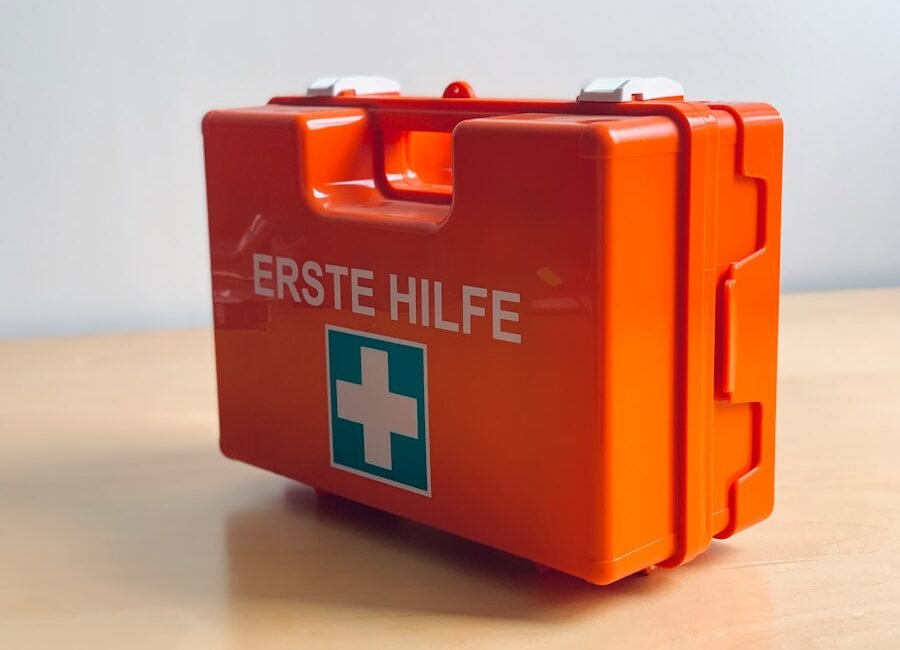
In the fast-paced world of extreme sports photography, accidents can happen in an instant. That’s why it’s crucial for photographers to have a well-stocked first aid kit and emergency communication devices on hand at all times. Whether it’s treating minor cuts and scrapes or calling for help in case of a serious injury, first aid kits and emergency communication devices are essential tools for ensuring the safety of photographers. Without these crucial tools, photographers may find themselves unable to respond effectively in case of an emergency.
In addition to treating injuries, first aid kits also provide photographers with peace of mind knowing that they are prepared for any situation that may arise. This allows them to focus on capturing stunning images without worrying about their safety. Similarly, emergency communication devices such as satellite phones or personal locator beacons provide photographers with a lifeline in case they find themselves in a remote or dangerous location. By investing in high-quality first aid kits and emergency communication devices, photographers can ensure that they are well-prepared for any situation that may arise while capturing extreme sports.
Conclusion and Importance of Being Prepared in Extreme Sports Photography
In conclusion, extreme sports photography is an exhilarating genre that requires photographers to be well-prepared for any situation that may arise. From safety gear and recovery gear to harnesses and ropes, floatation devices, first aid kits, and emergency communication devices, being prepared is essential for ensuring the safety of photographers while capturing heart-stopping moments of extreme athletes. By investing in high-quality gear and prioritizing safety at all times, photographers can confidently push their limits while capturing stunning images that showcase the raw energy and passion of extreme sports.
It’s important for photographers to remember that being prepared is not just about having the right gear – it’s also about having the right mindset. Extreme sports photography requires photographers to be physically fit, mentally prepared, and emotionally resilient in order to capture the intense moments of extreme athletes. By prioritizing both physical and mental preparation, photographers can ensure that they are well-equipped to handle the challenges and risks of capturing extreme sports. In the end, being prepared is not just about staying safe – it’s about creating an environment where photographers can confidently push their limits while capturing breathtaking images that inspire and awe audiences around the world.