
When it comes to adventure sports photography, choosing the right action camera is crucial. There are a variety of options on the market, each with its own set of features and capabilities. It’s important to consider factors such as image quality, durability, waterproofing, and battery life when selecting an action camera for capturing high-intensity activities. Some popular options include the GoPro Hero series, DJI Osmo Action, and Sony RX0
These cameras are known for their rugged build quality, excellent image stabilization, and ability to capture high-quality footage in challenging conditions. Additionally, it’s important to consider the mounting options available for each camera, as this will impact the types of shots you can capture during your adventures. Whether you’re mountain biking, surfing, or rock climbing, having a reliable action camera is essential for documenting your adrenaline-fueled experiences.
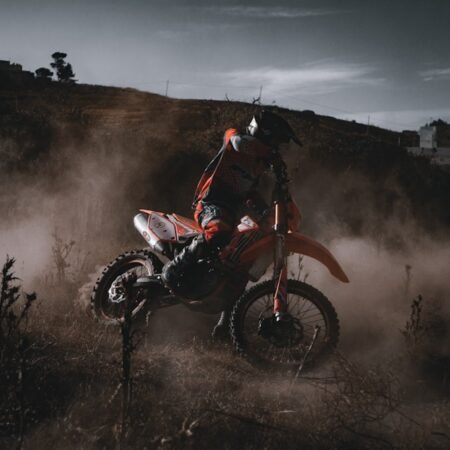
When choosing an action camera for adventure sports photography, it’s also important to consider the type of activities you’ll be capturing. For example, if you’re primarily shooting underwater footage while scuba diving or snorkeling, you’ll want to prioritize a camera with excellent waterproofing and underwater shooting capabilities. On the other hand, if you’re focused on capturing fast-paced activities such as snowboarding or motocross, you’ll want a camera with advanced image stabilization and high frame rate options for smooth, slow-motion footage. Ultimately, the right action camera for adventure sports photography will depend on your specific needs and the types of activities you’ll be documenting. By carefully considering factors such as image quality, durability, and mounting options, you can ensure that you have the right tool for capturing your adrenaline-fueled adventures.
Understanding the Basics of Action Photography
Action photography is a unique and challenging genre that requires a solid understanding of camera settings, composition, and timing. Whether you’re capturing extreme sports or high-speed activities, there are several key principles to keep in mind when shooting action-packed scenes. One of the most important aspects of action photography is understanding how to freeze motion and capture sharp, dynamic images. This often involves using a fast shutter speed to freeze the action and prevent motion blur. Additionally, it’s important to consider the use of burst mode or continuous shooting to capture a series of images in rapid succession, increasing the likelihood of getting the perfect shot.
In addition to technical considerations, composition plays a crucial role in action photography. It’s important to consider the framing and positioning of your subject within the frame to create dynamic and visually engaging images. This may involve using leading lines to draw the viewer’s eye towards the action, or positioning the subject off-center to create a sense of movement within the frame. Understanding how to anticipate and capture decisive moments is also essential in action photography. This often requires a combination of patience, timing, and quick reflexes to capture the perfect moment when the action is at its peak. By mastering these fundamental principles of action photography, you can elevate your images and capture the energy and excitement of adventure sports in stunning detail.
Finding the Perfect Angle and Composition
When it comes to adventure sports photography, finding the perfect angle and composition is essential for creating dynamic and visually engaging images. Whether you’re shooting mountain biking, rock climbing, or surfing, the angle from which you capture the action can make a significant impact on the overall impact of your images. One effective technique for finding the perfect angle is to experiment with different perspectives and vantage points. This may involve getting low to the ground to capture a sense of speed and intensity, or shooting from a higher vantage point to showcase the scale and grandeur of the landscape.
In addition to finding the perfect angle, composition plays a crucial role in adventure sports photography. It’s important to consider how to frame your subject within the scene to create a sense of balance and visual interest. This may involve using leading lines to draw the viewer’s eye towards the action, or positioning the subject off-center to create a sense of movement within the frame. Additionally, it’s important to consider the use of negative space to create a sense of scale and emphasize the energy and excitement of the moment. By carefully considering both angle and composition when shooting adventure sports, you can create images that are not only visually stunning but also convey the energy and intensity of the experience.
Capturing the Thrill of the Moment: Timing and Patience
Capturing the thrill of the moment in adventure sports photography often requires a combination of timing and patience. Whether you’re shooting high-speed activities such as skiing or mountain biking, or waiting for the perfect wave while surfing, timing is crucial for capturing those split-second moments that define the adrenaline-fueled experience. One effective technique for mastering timing in adventure sports photography is to anticipate the action and be ready to capture it at its peak. This often involves closely observing your subject and understanding their movements and patterns to predict when the most exciting moments will occur.
In addition to timing, patience is also essential in adventure sports photography. It’s important to be prepared to wait for the perfect moment to unfold, whether it’s waiting for the perfect wave while surfing or waiting for a mountain biker to hit a jump at just the right angle. This often requires a combination of observation, anticipation, and quick reflexes to capture those fleeting moments that define the thrill of adventure sports. By mastering both timing and patience in adventure sports photography, you can elevate your images and capture the energy and excitement of these high-intensity activities in stunning detail.
Mastering the Art of Editing for Action Sports Photography
Once you’ve captured your adventure sports images, mastering the art of editing is essential for bringing out their full potential. Whether you’re shooting mountain biking, surfing, or rock climbing, editing can help enhance your images and bring out their energy and intensity. One effective technique for editing action sports photography is to focus on enhancing contrast and clarity to bring out details and create a sense of depth in your images. This may involve adjusting levels and curves to fine-tune exposure and contrast, as well as using sharpening tools to enhance details and textures.
In addition to enhancing contrast and clarity, it’s important to consider color grading as a way to enhance the mood and atmosphere of your adventure sports images. This may involve adjusting white balance and saturation to create a more vibrant and dynamic color palette that reflects the energy and excitement of the moment. Additionally, it’s important to consider cropping and composition adjustments as a way to fine-tune your images and create a sense of balance and visual interest. By mastering these editing techniques for action sports photography, you can elevate your images and bring out their full potential in post-production.
Tips for Shooting in Challenging Conditions: Weather, Lighting, and Terrain
Shooting adventure sports often involves facing challenging conditions such as unpredictable weather, harsh lighting, and rugged terrain. Whether you’re shooting snowboarding in low light conditions or capturing surfing in harsh sunlight, there are several key tips for shooting in challenging conditions that can help you overcome these obstacles and capture stunning images. One effective technique for shooting in challenging conditions is to be prepared with the right gear and equipment. This may involve using weather-sealed cameras and lenses to protect against moisture and dust, as well as using lens hoods and filters to minimize glare and lens flare in harsh lighting conditions.
In addition to using the right gear, it’s important to consider how to adapt your shooting techniques to accommodate challenging conditions. For example, when shooting in low light conditions, it’s important to use a fast lens with a wide aperture to maximize light intake and minimize noise in your images. Similarly, when shooting in harsh sunlight, it’s important to consider how to position yourself and your subject to minimize harsh shadows and overexposure. By carefully considering these tips for shooting in challenging conditions, you can overcome obstacles such as weather, lighting, and terrain and capture stunning images that convey the energy and excitement of adventure sports.
Sharing Your Adventure Sports Photography: Social Media and Beyond
Once you’ve captured your adventure sports images, sharing them with others is an important part of the process. Whether you’re showcasing your work on social media or submitting it to publications or contests, there are several key tips for sharing your adventure sports photography with a wider audience. One effective technique for sharing your adventure sports photography is to carefully curate your images before posting them online. This may involve selecting only your best shots that convey the energy and excitement of the moment while maintaining a cohesive visual style.
In addition to curating your images, it’s important to consider how to effectively engage with your audience through social media platforms such as Instagram or Facebook. This may involve using relevant hashtags to reach a wider audience, as well as engaging with other users through likes, comments, and shares. Additionally, it’s important to consider how to leverage other platforms such as blogs or websites to showcase your work in a more comprehensive and professional manner. By carefully considering these tips for sharing your adventure sports photography, you can effectively showcase your work and connect with others who share your passion for high-intensity activities.
In conclusion, adventure sports photography is a unique and challenging genre that requires careful consideration of factors such as camera selection, technical skills, composition, timing, editing techniques, shooting in challenging conditions, and sharing your work with others. By mastering these key principles of adventure sports photography, you can elevate your images and capture the energy and excitement of high-intensity activities in stunning detail. Whether you’re shooting mountain biking, surfing, or rock climbing, these tips can help you overcome obstacles and create visually engaging images that convey the thrill of adventure sports. With careful consideration of these principles and techniques, you can effectively document your adrenaline-fueled experiences and share them with others who share your passion for high-intensity activities.