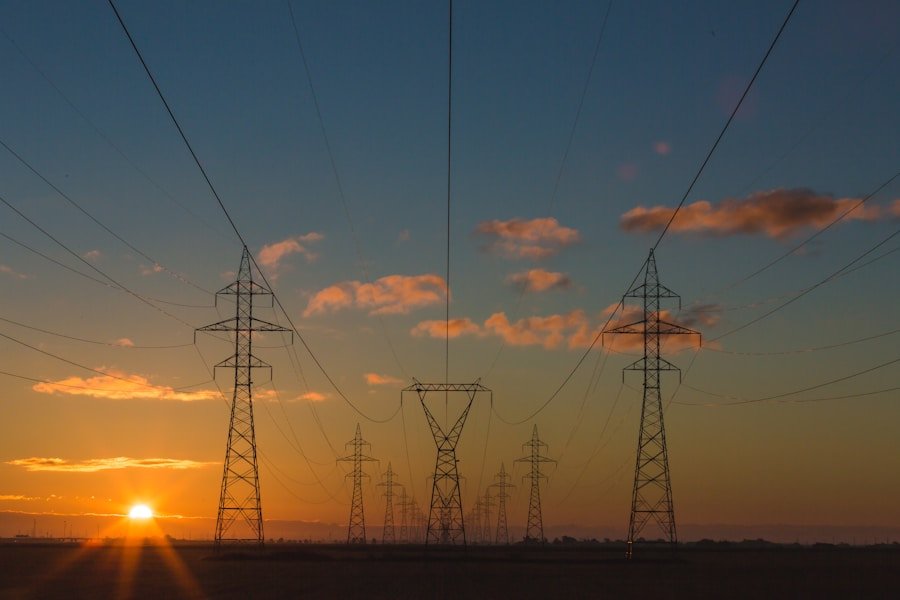

The rule of thirds is a fundamental principle in photography that helps to create balanced and visually appealing compositions. The concept is based on dividing the frame into nine equal parts using two horizontal and two vertical lines, resulting in a grid of nine squares. The main idea behind the rule of thirds is to place key elements of the composition along these grid lines or at their intersections, rather than in the center of the frame. This technique helps to create a sense of balance and harmony in the image, as well as draw the viewer’s eye to the most important elements. By following the rule of thirds, photographers can create more dynamic and visually interesting images that are more engaging to the viewer.
When applying the rule of thirds, it’s important to consider the placement of the main subject or focal point within the frame. Placing the subject off-center can create a more visually appealing composition, as it allows for negative space around the subject, which can help to draw attention to the main element. Additionally, using the rule of thirds can also help to create a sense of movement and flow within the image, as the placement of key elements can guide the viewer’s eye through the frame. Overall, understanding and applying the rule of thirds is essential for creating well-balanced and visually appealing compositions in photography.
Using Grid Lines to Align Your Subject
Grid lines are a useful tool for aligning your subject within the frame and ensuring that it is positioned according to the rule of thirds. Many modern cameras and smartphones have the option to display grid lines on the viewfinder or screen, making it easier for photographers to compose their shots using the rule of thirds. By aligning the subject with the grid lines, photographers can ensure that key elements are placed in visually pleasing positions within the frame, resulting in more balanced and engaging compositions. Grid lines can also help to straighten horizons and ensure that vertical lines are parallel, which is particularly useful for architectural and landscape photography.
In addition to aligning the main subject, grid lines can also be used to position secondary elements within the frame, such as leading lines or points of interest. By using the grid lines as a guide, photographers can create more visually dynamic compositions that draw the viewer’s eye through the frame and create a sense of depth and movement. Overall, grid lines are a valuable tool for aligning subjects and creating well-balanced compositions that adhere to the rule of thirds.
Balancing Positive and Negative Space
Balancing positive and negative space is an important aspect of composition in photography, and grid lines can be a helpful tool for achieving this balance. Positive space refers to the main subject or focal point of the image, while negative space is the empty or open areas surrounding the subject. By using grid lines to position the main subject off-center and create negative space around it, photographers can achieve a more visually appealing composition that draws attention to the main element. Additionally, balancing positive and negative space can help to create a sense of harmony and balance within the image, as well as guide the viewer’s eye through the frame.
When using grid lines to balance positive and negative space, it’s important to consider the overall visual weight of the composition. Placing the main subject in one of the intersections of the grid lines can help to create a more balanced distribution of positive and negative space, as well as draw attention to the most important elements within the frame. By carefully considering the placement of key elements within the grid, photographers can create more visually engaging compositions that effectively balance positive and negative space.
Creating Symmetry and Leading Lines
Grid lines can also be used to create symmetry and leading lines within a composition, which can help to guide the viewer’s eye through the frame and create a sense of balance and harmony. Symmetry refers to a balanced arrangement of elements within an image, while leading lines are visual cues that lead the viewer’s eye through the frame. By using grid lines to position key elements along horizontal or vertical lines, photographers can create more symmetrical compositions that are visually appealing and draw attention to the main subject. Additionally, by using grid lines to position leading lines within the frame, photographers can create a sense of movement and flow that guides the viewer’s eye through the image.
When creating symmetry and leading lines using grid lines, it’s important to consider how different configurations of the grid can affect the overall composition. For example, positioning key elements along diagonal grid lines can create a sense of dynamic movement and energy within the image, while aligning elements along horizontal or vertical lines can create a more stable and balanced composition. By experimenting with different grid line configurations, photographers can create more visually interesting compositions that effectively use symmetry and leading lines to guide the viewer’s eye through the frame.
Experimenting with Different Grid Line Configurations
While the traditional rule of thirds grid is a valuable tool for composing images, photographers can also experiment with different grid line configurations to create more visually dynamic compositions. For example, some cameras and smartphones offer alternative grid line options, such as a golden ratio grid or a diagonal grid, which can be used to create more unique and visually interesting compositions. By experimenting with different grid line configurations, photographers can explore new ways of composing images that go beyond traditional rules and guidelines, resulting in more creative and visually engaging compositions.
In addition to alternative grid line options, photographers can also experiment with different aspect ratios when composing their images. For example, using a square or panoramic aspect ratio can create more unique compositions that challenge traditional notions of balance and symmetry. By experimenting with different aspect ratios and grid line configurations, photographers can push the boundaries of traditional composition techniques and create more visually compelling images that stand out from the crowd.
Using Grid Lines for Landscape and Portrait Photography
Grid lines are a valuable tool for composing both landscape and portrait photography, as they can help to ensure that key elements are positioned according to the rule of thirds and create visually balanced compositions. In landscape photography, grid lines can be used to position key elements such as horizons or points of interest along horizontal or vertical lines, creating more visually appealing compositions that adhere to traditional rules of balance and symmetry. Additionally, in portrait photography, grid lines can be used to position key elements such as eyes or facial features along horizontal or vertical lines, resulting in more visually engaging compositions that draw attention to the main subject.
When using grid lines for landscape and portrait photography, it’s important to consider how different configurations of the grid can affect the overall composition. For example, in landscape photography, positioning key elements along diagonal grid lines can create a sense of dynamic movement and energy within the image, while aligning elements along horizontal or vertical lines can create a more stable and balanced composition. In portrait photography, positioning key elements along diagonal grid lines can create a sense of depth and dimension within the image, while aligning elements along horizontal or vertical lines can create a more symmetrical and visually appealing composition.
Enhancing Your Composition with Grid Lines
In conclusion, grid lines are a valuable tool for enhancing composition in photography, as they can help to ensure that key elements are positioned according to traditional rules of balance and symmetry. By understanding and applying the rule of thirds, using grid lines to align subjects, balancing positive and negative space, creating symmetry and leading lines, experimenting with different grid line configurations, and using grid lines for landscape and portrait photography, photographers can create more visually engaging compositions that draw attention to the main subject and guide the viewer’s eye through the frame. Additionally, by experimenting with different aspect ratios and alternative grid line options, photographers can push the boundaries of traditional composition techniques and create more unique and visually compelling images. Overall, understanding how to effectively use grid lines is essential for creating well-balanced and visually appealing compositions in photography.