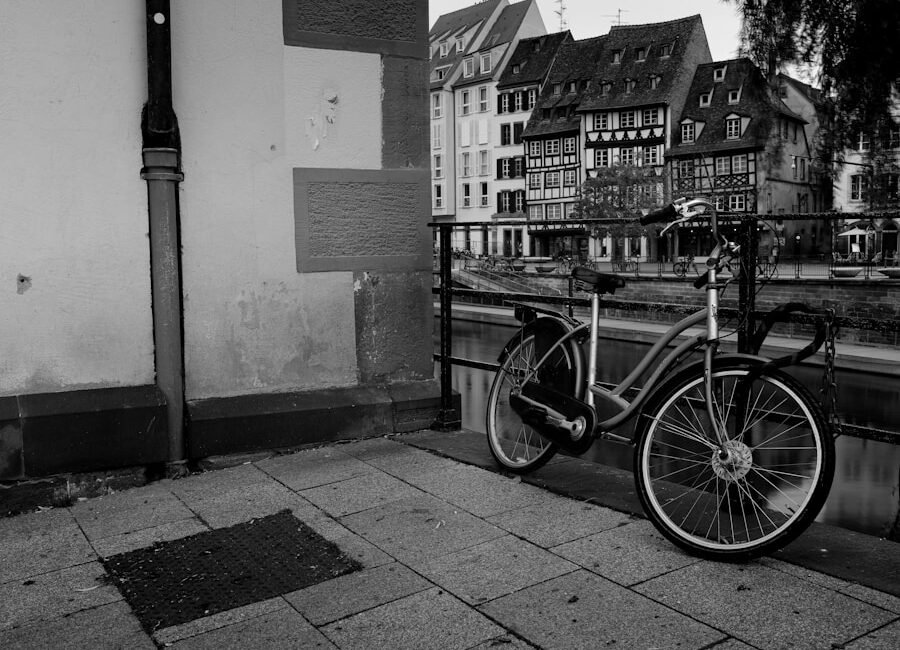

Negative space in photography refers to the area surrounding the main subject in an image. It is the empty or open space that surrounds the subject and helps to define it. Negative space is an important element in photography as it can greatly impact the composition and overall feel of an image. When used effectively, negative space can draw attention to the subject, create a sense of balance, and evoke certain emotions in the viewer. Understanding how to utilize negative space in photography can help photographers create more impactful and visually appealing images.
Understanding the Concept of Negative Space
Negative space is often misunderstood as simply empty or wasted space in a photograph. However, it is much more than that. Negative space plays a crucial role in defining the subject and creating a sense of balance and harmony in an image. It can also help to convey a certain mood or emotion. By understanding the concept of negative space, photographers can learn to use it to their advantage and create more compelling compositions. Negative space can be used to create a sense of calm and tranquility, or to evoke a feeling of isolation or loneliness. It can also be used to draw attention to the subject and create a sense of depth and dimension in the image.
Techniques for Utilizing Negative Space in Photography
There are several techniques that photographers can use to effectively utilize negative space in their images. One common technique is to use a wide aperture to blur the background and create more negative space around the subject. This can help to draw attention to the subject and create a sense of depth in the image. Another technique is to use leading lines or other elements in the scene to create negative space around the subject. This can help to guide the viewer’s eye towards the subject and create a more dynamic composition. Additionally, photographers can use framing techniques to create negative space around the subject, such as using doorways, windows, or other objects to frame the subject and create a sense of openness in the image.
Examples of Negative Space in Photography
There are countless examples of negative space being used effectively in photography. One classic example is the use of negative space in portrait photography. By leaving empty space around the subject, photographers can create a sense of intimacy and draw attention to the subject’s expression and emotions. Another example is in landscape photography, where negative space can be used to create a sense of vastness and grandeur. Negative space can also be used in still life photography to create a sense of simplicity and elegance. By studying these examples, photographers can learn how to effectively use negative space in their own work.
The Impact of Negative Space on Composition and Emotion
Negative space can have a significant impact on the composition and emotional impact of an image. When used effectively, negative space can help to create a sense of balance and harmony in the composition. It can also help to convey certain emotions, such as calmness, isolation, or tranquility. By understanding how negative space can impact composition and emotion, photographers can learn to use it to their advantage and create more powerful and evocative images.
Tips for Incorporating Negative Space into Your Photography
There are several tips that photographers can keep in mind when incorporating negative space into their photography. One tip is to pay attention to the relationship between the subject and the negative space surrounding it. By carefully considering this relationship, photographers can create more compelling compositions that draw attention to the subject and convey a certain mood or emotion. Another tip is to experiment with different compositions and perspectives to see how negative space can impact the overall feel of an image. By taking the time to explore different options, photographers can learn how to use negative space to their advantage and create more impactful images.
Embracing the Beauty of Negative Space
In conclusion, negative space is an important element in photography that can greatly impact the composition and emotional impact of an image. By understanding how to utilize negative space effectively, photographers can create more compelling and visually appealing images that draw attention to the subject and convey a certain mood or emotion. By studying examples of negative space in photography and experimenting with different techniques, photographers can learn how to incorporate negative space into their own work and create more powerful and evocative images. Embracing the beauty of negative space can help photographers take their work to the next level and create images that truly resonate with viewers.