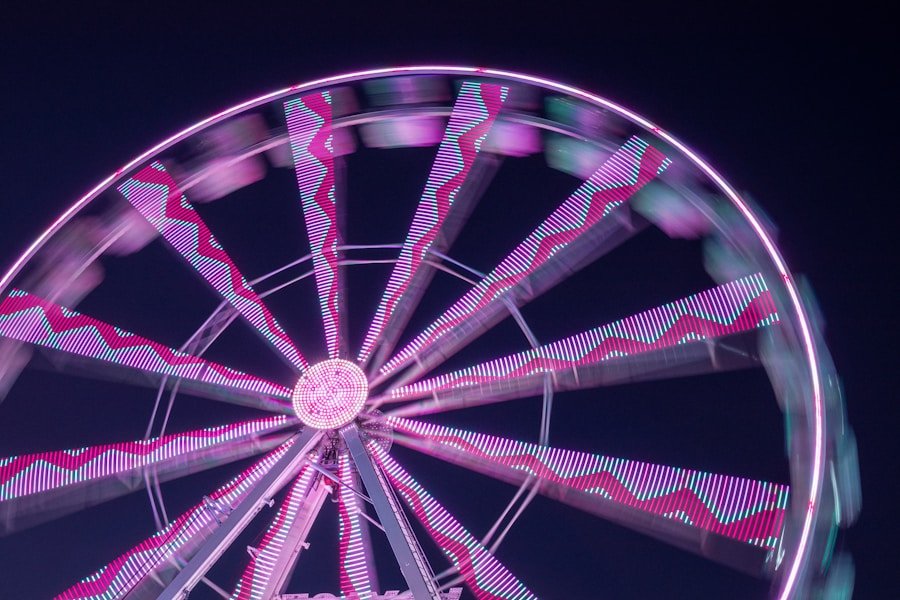

Shutter speed is a fundamental aspect of photography that determines how long the camera’s shutter remains open to allow light to reach the camera’s sensor. It is measured in seconds or fractions of a second, such as 1/500 or 1/30. A faster shutter speed means the shutter is open for a shorter amount of time, while a slower shutter speed means the shutter is open for a longer period. Shutter speed is one of the three elements of the exposure triangle, along with aperture and ISO, that determines the overall exposure of an image.
Understanding shutter speed is crucial for capturing sharp and well-exposed images. A fast shutter speed is typically used to freeze motion and capture fast-moving subjects, while a slow shutter speed can create a sense of motion blur and is often used in low-light situations. It’s important to note that the choice of shutter speed also affects the amount of light that reaches the camera sensor, so it’s essential to find the right balance between capturing a sharp image and achieving the desired exposure.
How Shutter Speed Affects Image Sharpness
Shutter speed plays a significant role in determining the sharpness of an image. A faster shutter speed can help freeze motion and reduce the risk of camera shake, resulting in sharper images. On the other hand, a slower shutter speed can introduce motion blur, which can affect the overall sharpness of the image. When shooting handheld, it’s generally recommended to use a shutter speed that is at least equal to the focal length of the lens to minimize the risk of camera shake. For example, if you are using a 50mm lens, it’s best to use a shutter speed of 1/50 or faster to ensure sharp images.
In addition to camera shake, the choice of shutter speed also depends on the speed of the subject you are photographing. For fast-moving subjects, such as sports or wildlife photography, a faster shutter speed is necessary to freeze the action and capture sharp images. On the other hand, for static subjects or landscapes, a slower shutter speed can be used to achieve a sense of motion or create long exposure effects. Understanding how shutter speed affects image sharpness is essential for capturing high-quality and visually appealing photographs.
Choosing the Right Shutter Speed for Different Situations
When it comes to choosing the right shutter speed for different situations, there are several factors to consider. The first consideration is the speed of the subject or the amount of motion you want to capture. For fast-moving subjects, such as sports or wildlife photography, a faster shutter speed is necessary to freeze the action and capture sharp images. On the other hand, for static subjects or landscapes, a slower shutter speed can be used to create a sense of motion or achieve long exposure effects.
Another important factor to consider when choosing the right shutter speed is the available light. In low-light situations, such as indoor or nighttime photography, a slower shutter speed may be necessary to allow enough light to reach the camera sensor. However, it’s important to be mindful of camera shake when using slower shutter speeds, as this can affect the overall sharpness of the image. In brighter conditions, a faster shutter speed can be used to achieve a well-exposed and sharp image.
Tips for Improving Image Sharpness with Shutter Speed
There are several tips and techniques that can help improve image sharpness when using different shutter speeds. One of the most important tips is to use a tripod or other stabilizing equipment when shooting at slower shutter speeds to minimize the risk of camera shake. This is especially important when shooting in low-light conditions or when using longer focal lengths, as these factors can increase the likelihood of blurry images.
Another tip for improving image sharpness with shutter speed is to use image stabilization technology if your camera or lens is equipped with this feature. Image stabilization helps reduce camera shake and allows you to use slower shutter speeds without compromising image sharpness. Additionally, using burst mode or continuous shooting can help increase the chances of capturing a sharp image when photographing fast-moving subjects, as it allows you to take multiple shots in quick succession.
Common Mistakes to Avoid when Adjusting Shutter Speed
When adjusting shutter speed, there are several common mistakes that photographers should avoid to ensure they capture sharp and well-exposed images. One common mistake is using a shutter speed that is too slow for the focal length of the lens, which can result in blurry images due to camera shake. To avoid this mistake, it’s important to use a shutter speed that is at least equal to the focal length of the lens or use stabilizing equipment such as a tripod.
Another common mistake is using a shutter speed that is too fast or too slow for the subject you are photographing. For fast-moving subjects, using a shutter speed that is too slow can result in motion blur, while using a shutter speed that is too fast for static subjects can lead to underexposed images. It’s important to consider the speed of the subject and adjust the shutter speed accordingly to achieve the desired effect.
Understanding Motion Blur and Freezing Action with Shutter Speed
Understanding how shutter speed affects motion blur and freezing action is essential for capturing dynamic and visually appealing images. Motion blur occurs when there is movement in the scene while the camera’s shutter is open, resulting in a sense of motion in the final image. This effect can be used creatively to convey a sense of movement or add visual interest to a photograph. On the other hand, freezing action involves using a fast shutter speed to capture fast-moving subjects without any motion blur, resulting in sharp and detailed images.
To achieve motion blur, photographers can use slower shutter speeds and pan their camera with the moving subject to create a sense of movement while keeping the subject relatively sharp. This technique is commonly used in sports photography or when photographing moving vehicles to convey a sense of speed and dynamism. On the other hand, freezing action requires using faster shutter speeds to capture fast-moving subjects without any motion blur. This technique is often used in wildlife photography or capturing sports events to freeze the action and capture sharp images.
Advanced Techniques for Using Shutter Speed to Enhance Image Sharpness
There are several advanced techniques that photographers can use to enhance image sharpness with shutter speed. One technique is using rear curtain sync flash, which allows you to capture motion blur while freezing action at the end of an exposure. This technique involves using a slow shutter speed and firing a flash at the end of the exposure to freeze the action, resulting in an image that combines motion blur with sharp details.
Another advanced technique for enhancing image sharpness with shutter speed is using panning to track moving subjects while using slower shutter speeds. Panning involves moving your camera along with a moving subject while using a slower shutter speed to create a sense of motion in the background while keeping the subject relatively sharp. This technique requires practice and precision but can result in visually striking images that convey a sense of movement and dynamism.
In conclusion, understanding how shutter speed affects image sharpness and knowing how to choose the right shutter speed for different situations are essential skills for photographers looking to capture high-quality and visually appealing images. By mastering these techniques and avoiding common mistakes, photographers can improve their ability to capture sharp and well-exposed photographs in various shooting conditions. Additionally, by exploring advanced techniques for using shutter speed creatively, photographers can enhance their creative vision and produce compelling images that stand out from the crowd.