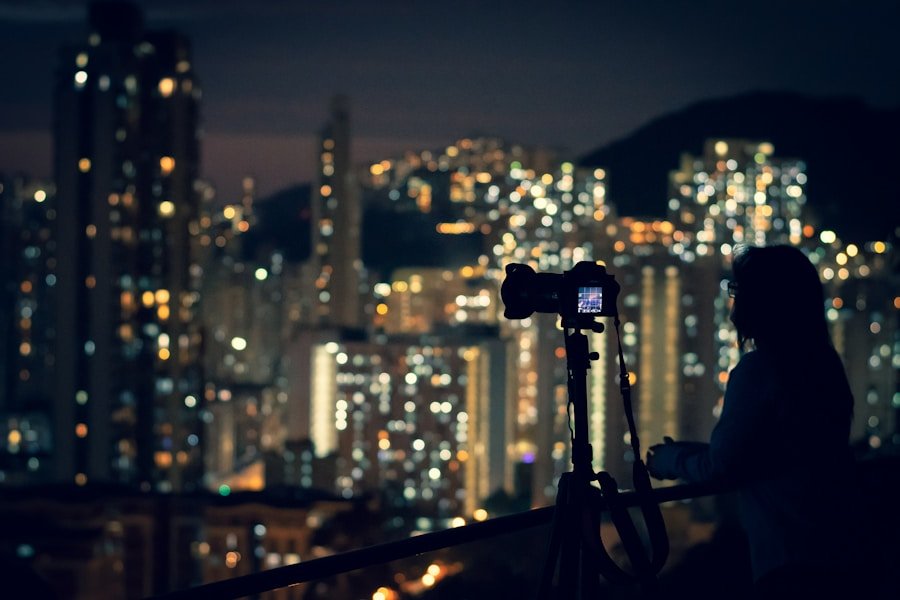

The rule of thirds is a fundamental principle in photography that can greatly enhance the composition of your images. The concept is simple: imagine your image divided into nine equal parts by two equally spaced horizontal lines and two equally spaced vertical lines. The rule of thirds suggests that the most important elements in your composition should be placed along these lines or at the points where they intersect. This creates a more dynamic and visually appealing image compared to placing the subject directly in the center of the frame.
By following the rule of thirds, you can create a sense of balance and harmony in your compositions. Placing your subject off-center allows for more negative space, which can draw the viewer’s eye to the main focal point. This technique also encourages you to consider the surrounding elements and how they interact with the subject, leading to more interesting and engaging photographs. However, it’s important to note that the rule of thirds is not a strict guideline, but rather a tool to help you create more compelling compositions. There may be times when breaking the rule can result in a more impactful image, so it’s essential to understand when to apply it and when to deviate from it.
Using Leading Lines to Create Dynamic Compositions
Leading lines are a powerful compositional tool that can guide the viewer’s eye through the image and create a sense of depth and movement. These lines can be found naturally in the environment, such as roads, rivers, or fences, or they can be created using man-made elements like buildings or pathways. By incorporating leading lines into your compositions, you can draw attention to the main subject and create a sense of visual flow.
When using leading lines, it’s essential to consider how they interact with the other elements in the frame. The lines should lead the viewer towards the main focal point, rather than leading them out of the frame. Additionally, you can experiment with different angles and perspectives to make the leading lines more prominent and impactful. By incorporating leading lines into your compositions, you can add depth and dimension to your images, creating a more immersive and engaging visual experience for the viewer.
Experimenting with Different Perspectives and Angles
Experimenting with different perspectives and angles is a great way to add variety and interest to your photography. By changing your vantage point or shooting angle, you can create unique and compelling compositions that stand out from the crowd. For example, getting down low and shooting from ground level can add a sense of drama and grandeur to your images, while shooting from a high vantage point can provide a different perspective on a familiar scene.
When experimenting with different perspectives and angles, it’s important to consider how they affect the overall composition of your images. Changing your shooting angle can alter the way light and shadow interact with the subject, as well as how the background elements are framed. By exploring different perspectives, you can discover new ways to capture familiar subjects and scenes, adding depth and interest to your photography.
Balancing Elements within the Frame
Balancing elements within the frame is crucial for creating visually appealing compositions. This involves considering the placement and interaction of various elements within the image, such as the main subject, background elements, and negative space. By carefully arranging these elements, you can create a sense of harmony and balance that draws the viewer’s eye to the main focal point.
One way to achieve balance within your compositions is by using the concept of visual weight. This refers to the perceived heaviness or lightness of elements within the frame, which can be influenced by factors such as size, color, and contrast. By distributing visual weight evenly throughout the image, you can create a sense of equilibrium that enhances the overall composition. Additionally, you can use leading lines or framing techniques to direct the viewer’s eye towards the main subject, further enhancing the sense of balance within the frame.
Utilizing Negative Space for Impactful Images
Negative space refers to the empty or unoccupied areas within an image, which can be just as important as the main subject itself. By utilizing negative space effectively, you can create more impactful and visually striking compositions. Negative space can help draw attention to the main subject, create a sense of balance within the frame, and evoke a feeling of simplicity and minimalism.
When incorporating negative space into your compositions, it’s important to consider how it interacts with the main subject and other elements within the frame. The negative space should complement and enhance the subject rather than detract from it. Additionally, you can use negative space to create a sense of isolation or solitude, adding emotional depth to your images. By embracing negative space as a powerful compositional tool, you can elevate your photography and create more impactful and memorable images.
Incorporating Depth and Dimension in Your Photography
Incorporating depth and dimension in your photography is essential for creating visually engaging and immersive images. By adding layers and creating a sense of depth within your compositions, you can draw the viewer into the scene and create a more dynamic visual experience. One way to achieve this is by using leading lines or perspective to create a sense of distance and scale within the frame.
Another technique for incorporating depth and dimension is by using foreground elements to add a sense of scale and perspective to your images. By including objects in the foreground that are closer to the camera than the main subject, you can create a sense of depth that adds visual interest and complexity to your compositions. Additionally, you can experiment with different focal lengths and apertures to control depth of field, creating a sense of separation between the main subject and background elements.
Creating Visual Flow and Harmony in Your Compositions
Creating visual flow and harmony in your compositions is essential for capturing the viewer’s attention and creating a sense of unity within your images. One way to achieve this is by using leading lines or framing techniques to guide the viewer’s eye through the image in a deliberate and purposeful manner. By creating a sense of movement and direction within your compositions, you can add energy and dynamism to your images.
Another way to create visual flow and harmony is by considering how different elements within the frame interact with each other. By arranging these elements in a way that creates balance and unity, you can create a more cohesive and visually appealing composition. Additionally, you can use color theory and contrast to create visual interest and draw attention to specific areas within the frame. By carefully considering these factors, you can create images that are not only visually striking but also emotionally resonant.
In conclusion, understanding these fundamental principles of composition can greatly enhance your photography skills and help you create more compelling and impactful images. By incorporating these techniques into your workflow, you can elevate your photography to new heights and capture scenes in a way that resonates with viewers on a deeper level. Whether you’re shooting landscapes, portraits, or still life, these principles are universal and can be applied to any genre of photography. So go out there, experiment with different techniques, and see how they can transform your photography for the better.