
Nighttime urban photography is a unique and challenging genre that requires a different approach compared to daytime photography. The absence of natural light and the presence of artificial light sources create a dynamic and dramatic atmosphere that can be both captivating and challenging to capture. Understanding the nuances of nighttime urban photography is essential for creating stunning and evocative images.
One of the key aspects of nighttime urban photography is the use of artificial light sources to create mood and atmosphere. The interplay between light and shadow can create striking contrasts and add depth to your images. Additionally, the use of long exposures can capture the movement of light and create mesmerizing streaks and trails that add a sense of dynamism to your photographs. Understanding how to manipulate and work with these elements is crucial for creating compelling nighttime urban images.
Furthermore, understanding the technical aspects of nighttime photography, such as exposure settings and white balance, is essential for achieving the desired results. The low light conditions of nighttime urban environments require a good understanding of exposure settings to avoid underexposure or overexposure. Additionally, mastering the use of white balance settings can help you achieve accurate and natural-looking colors in your nighttime urban images. Overall, understanding the unique challenges and opportunities presented by nighttime urban photography is crucial for capturing stunning and evocative images.
Essential Camera Gear for Nighttime Urban Photography
When it comes to nighttime urban photography, having the right camera gear is essential for capturing stunning and evocative images. The low light conditions of nighttime urban environments require specific equipment to achieve the desired results. Here are some essential camera gear for nighttime urban photography.
First and foremost, a camera with good low light performance is crucial for nighttime urban photography. Look for a camera with a large sensor and high ISO capabilities to ensure that you can capture sharp and noise-free images in low light conditions. Additionally, a fast lens with a wide aperture is essential for maximizing the available light and achieving shallow depth of field in your nighttime urban images.
In addition to a good camera and lens, a sturdy tripod is essential for nighttime urban photography. The long exposures required to capture the movement of light in nighttime urban environments necessitate the use of a tripod to ensure sharp and steady images. Look for a tripod that is lightweight and easy to carry, yet sturdy enough to support your camera and lens. Additionally, consider investing in a remote shutter release to minimize camera shake and ensure sharp images. Overall, having the right camera gear is essential for achieving stunning results in nighttime urban photography.
Tripods and Stability for Nighttime Urban Photography
In nighttime urban photography, stability is key to capturing sharp and clear images. The low light conditions of urban environments often require long exposures, making it essential to have a sturdy tripod to keep your camera steady. A tripod not only helps prevent camera shake but also allows you to experiment with longer exposures, capturing the movement of light in a dynamic and captivating way.
When choosing a tripod for nighttime urban photography, consider factors such as weight, height, and stability. A lightweight tripod is ideal for urban photography as it allows for easy transportation and setup, especially when shooting in different locations. Additionally, a tripod with adjustable height is beneficial for achieving different perspectives and compositions in urban environments. Stability is also crucial, so look for a tripod with sturdy legs and a reliable locking mechanism to ensure that your camera remains steady during long exposures.
Furthermore, consider investing in accessories such as a ball head or gimbal head to allow for smooth and precise adjustments when composing your shots. These accessories can make it easier to fine-tune your composition and ensure that your camera remains stable throughout the shooting process. Overall, having a reliable tripod and stability equipment is essential for achieving sharp and clear images in nighttime urban photography.
Using Remote Shutter Release for Nighttime Urban Photography
In nighttime urban photography, minimizing camera shake is crucial for capturing sharp and clear images. A remote shutter release is an essential tool for achieving this, allowing you to trigger your camera without physically touching it. This helps prevent any potential camera shake caused by pressing the shutter button, especially during long exposures in low light conditions.
There are several types of remote shutter releases available, including wired and wireless options. Wired remote shutter releases are connected directly to the camera via a cable, allowing you to trigger the shutter from a distance. Wireless remote shutter releases, on the other hand, use radio frequency or infrared signals to trigger the camera remotely, providing even more flexibility in terms of distance and positioning.
Using a remote shutter release not only helps minimize camera shake but also allows you to experiment with different shooting techniques such as bulb mode or time-lapse photography. This level of control over the shutter release can be particularly beneficial in nighttime urban photography, where long exposures are often used to capture the movement of light and create captivating images.
Overall, using a remote shutter release is an essential tool for achieving sharp and clear images in nighttime urban photography. Whether you opt for a wired or wireless option, incorporating this tool into your shooting process can help elevate your images and ensure that you capture the dynamic atmosphere of urban environments with precision and clarity.
Utilizing Wide Aperture Lenses for Nighttime Urban Photography
In nighttime urban photography, utilizing wide aperture lenses can be incredibly beneficial for capturing stunning and evocative images. The low light conditions of urban environments often require maximizing the available light to achieve sharp and well-exposed images. Wide aperture lenses allow for more light to enter the camera, enabling you to shoot at faster shutter speeds and lower ISO settings while maintaining image quality.
Wide aperture lenses also offer the advantage of creating shallow depth of field, allowing you to isolate subjects against blurred backgrounds and draw attention to specific elements within the frame. This can be particularly effective in nighttime urban photography, where the interplay between light and shadow creates dynamic and captivating scenes that can be further enhanced by selective focus.
Furthermore, wide aperture lenses are versatile tools that can be used for various types of urban photography, from capturing cityscapes to street scenes and portraits. Their ability to perform well in low light conditions makes them ideal for capturing the vibrant energy and atmosphere of urban environments at night.
Overall, utilizing wide aperture lenses is essential for achieving stunning results in nighttime urban photography. Whether you opt for a prime lens or a zoom lens with a wide maximum aperture, incorporating this type of lens into your gear kit can help elevate your images and allow you to capture the unique beauty of urban environments after dark.
The Importance of Light Sources in Nighttime Urban Photography
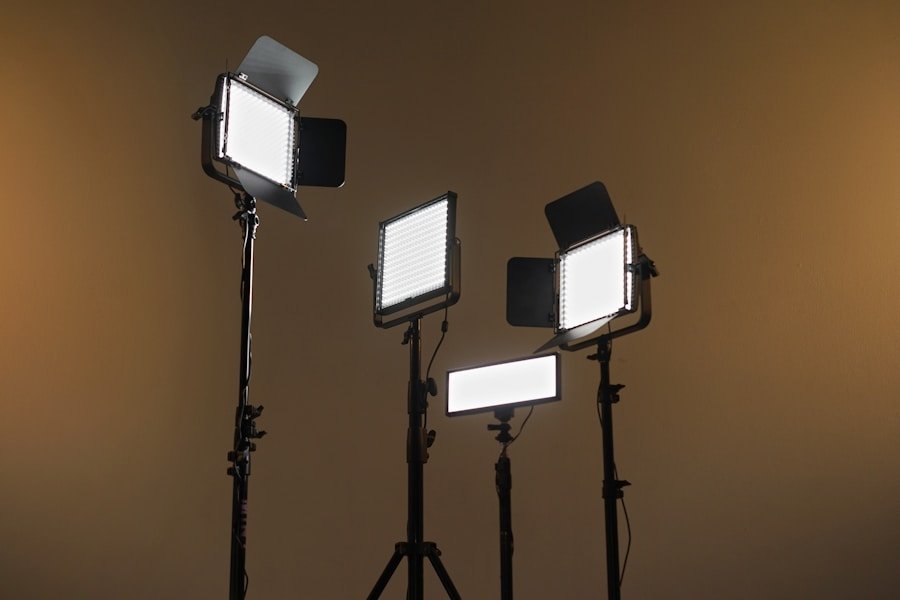
Light sources play a crucial role in nighttime urban photography, shaping the mood and atmosphere of your images. Understanding how to work with different types of light sources can help you create compelling compositions that capture the dynamic energy of urban environments at night.
One of the most common light sources in nighttime urban photography is artificial lighting, including streetlights, neon signs, and illuminated buildings. These sources of light can create dramatic contrasts and vibrant colors that add depth and character to your images. Experimenting with different angles and perspectives can help you make the most of these light sources, allowing you to capture captivating scenes that showcase the unique beauty of urban environments at night.
In addition to artificial lighting, natural light sources such as moonlight or starlight can also play a significant role in nighttime urban photography. These subtle yet enchanting sources of light can add a touch of magic to your images, creating ethereal and dreamy atmospheres that evoke a sense of mystery and wonder.
Understanding how to work with different light sources is essential for achieving stunning results in nighttime urban photography. Whether you’re capturing the vibrant glow of city lights or the soft illumination of natural sources, incorporating these elements into your compositions can help you create evocative images that showcase the unique beauty of urban environments at night.
Post-Processing Tools for Enhancing Nighttime Urban Photography
Post-processing tools are essential for enhancing nighttime urban photography, allowing you to fine-tune your images and bring out their full potential. The low light conditions of urban environments at night often require adjustments to exposure, contrast, and color balance to achieve the desired results. Understanding how to use post-processing tools effectively can help you elevate your images and create stunning compositions that capture the dynamic energy of urban environments after dark.
One of the most important post-processing tools for nighttime urban photography is editing software such as Adobe Lightroom or Photoshop. These programs offer a wide range of tools and adjustments that allow you to enhance your images with precision and control. From adjusting exposure and contrast to fine-tuning color balance and sharpening details, these tools provide everything you need to bring out the best in your nighttime urban images.
Additionally, specialized plugins and presets designed specifically for nighttime photography can be incredibly beneficial for streamlining your post-processing workflow. These tools offer pre-set adjustments tailored to the unique challenges of low light conditions, allowing you to achieve stunning results with minimal effort.
Understanding how to use post-processing tools effectively is essential for achieving stunning results in nighttime urban photography. Whether you’re fine-tuning exposure settings or enhancing colors and details, incorporating these tools into your workflow can help you create evocative compositions that showcase the unique beauty of urban environments at night.
In conclusion, nighttime urban photography presents unique challenges and opportunities that require a different approach compared to daytime photography. Understanding how to work with artificial light sources, mastering exposure settings, and utilizing essential camera gear such as tripods and wide aperture lenses are crucial for capturing stunning images in low light conditions. Additionally, incorporating post-processing tools into your workflow can help you enhance your images with precision and control, bringing out their full potential and creating compelling compositions that showcase the dynamic energy of urban environments at night. By mastering these key aspects of nighttime urban photography, you can capture evocative images that showcase the unique beauty of cities after dark.

Other Articles

Gear Up: Essential Equipment for Stunning Sports Photography