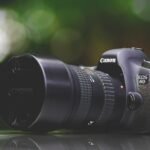

Understanding your camera and lenses is crucial for any photographer looking to improve their skills and produce high-quality images. It’s important to familiarize yourself with the different settings and functions of your camera, such as aperture, shutter speed, and ISO. Knowing how to adjust these settings to achieve the desired exposure and depth of field will allow you to have more control over your images. Additionally, understanding the capabilities and limitations of your lenses will help you choose the right one for each situation, whether it’s a wide-angle lens for landscapes or a telephoto lens for wildlife photography.
Furthermore, learning about composition and framing will help you create visually appealing images. Understanding the rule of thirds, leading lines, and other composition techniques will allow you to create more dynamic and interesting photographs. Additionally, experimenting with different perspectives and angles can help you find unique ways to capture a scene. Overall, taking the time to understand your camera and lenses will give you the technical knowledge and creative freedom to take your photography to the next level.
Essential Accessories for Every Photographer
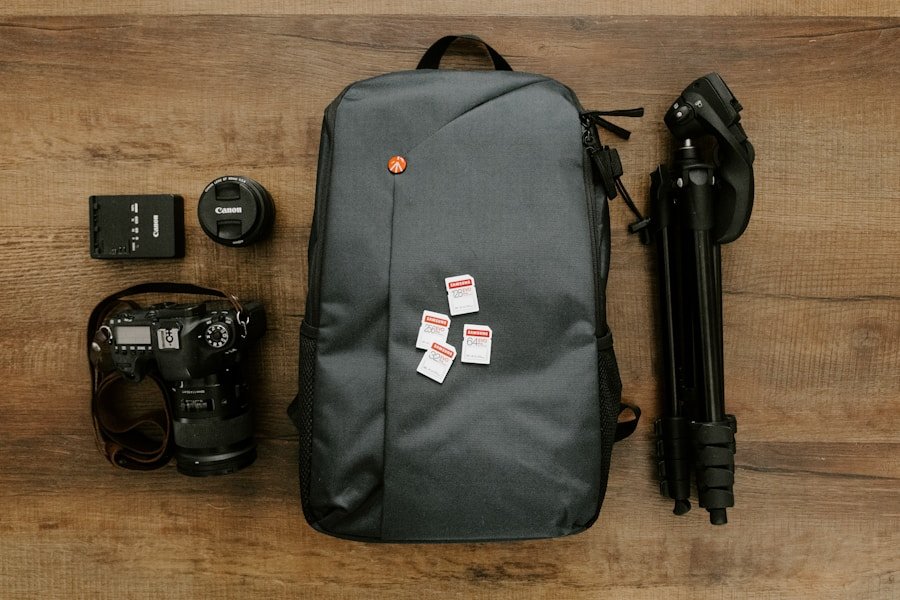
In addition to a camera and lenses, there are several essential accessories that every photographer should have in their kit. A sturdy camera bag or backpack is essential for transporting and protecting your gear. Look for a bag with padded compartments and adjustable dividers to keep your equipment safe and organized. A reliable tripod is another essential accessory, especially for landscape and long exposure photography. Look for a tripod that is lightweight yet sturdy, with adjustable legs and a ball head for versatile positioning.
Other essential accessories include extra memory cards and batteries, a lens cleaning kit, and a remote shutter release for long exposures and self-portraits. Additionally, investing in a good quality camera strap and comfortable camera harness can help distribute the weight of your gear and reduce strain on your neck and shoulders during long shooting sessions. Overall, having the right accessories can make a big difference in the ease and quality of your photography.
Lighting Equipment and Techniques
Understanding lighting is essential for creating compelling photographs. Whether you’re shooting indoors or outdoors, natural or artificial light, knowing how to work with light can make a huge difference in the quality of your images. Learning about different lighting techniques, such as backlighting, side lighting, and soft lighting, can help you create mood and drama in your photographs. Additionally, understanding how to use reflectors and diffusers can help you control and manipulate light to achieve the desired effect.
In addition to natural light, investing in lighting equipment such as speedlights, strobes, and continuous lights can give you more control over your lighting setup. Learning how to use these tools effectively can open up new creative possibilities for your photography. Whether you’re shooting portraits, still life, or landscapes, having a good understanding of lighting techniques and equipment can take your photography to the next level.
Tripods and Stabilization Tools
Tripods and stabilization tools are essential for achieving sharp and steady images, especially in low light or long exposure situations. A good quality tripod is a must-have for any photographer looking to improve their image quality. Look for a tripod that is sturdy yet lightweight, with adjustable legs and a ball head for versatile positioning. Additionally, investing in a monopod or a stabilizer rig can help you achieve steady shots while on the move or shooting video.
In addition to tripods and stabilizers, there are other tools that can help improve the stability of your shots. Cable releases or remote shutter releases can help reduce camera shake when taking long exposures or using slow shutter speeds. Additionally, using image stabilization lenses or cameras with built-in stabilization can help compensate for small movements and vibrations. Overall, having the right stabilization tools can make a big difference in the sharpness and quality of your images.
Editing Software and Post-Processing Tools
Editing software and post-processing tools are essential for fine-tuning and enhancing your photographs. Whether you’re shooting in RAW or JPEG format, having the right software can help you bring out the best in your images. Adobe Lightroom and Photoshop are popular choices for photographers looking to edit and retouch their photos. These programs offer a wide range of tools for adjusting exposure, color balance, sharpness, and more.
In addition to editing software, there are other post-processing tools that can help take your images to the next level. Plugins and presets can help streamline your workflow and add creative effects to your photos. Additionally, investing in a good quality monitor with accurate color calibration can help ensure that your edits are true to life. Overall, having the right editing software and post-processing tools can help you bring out the full potential of your photographs.
Transporting and Protecting Your Gear
Transporting and protecting your gear is essential for keeping it safe and in good condition. Investing in a good quality camera bag or backpack with padded compartments and adjustable dividers can help protect your equipment from bumps and scratches while on the go. Look for a bag that is comfortable to wear and has additional features such as weatherproofing and theft-proof zippers for added peace of mind.
In addition to a camera bag, there are other accessories that can help protect your gear. Lens filters can help protect your lenses from dust, scratches, and moisture while also improving image quality. Investing in a good quality camera strap or harness can help distribute the weight of your gear and reduce strain on your neck and shoulders during long shooting sessions. Overall, taking the time to transport and protect your gear properly can help ensure that it stays in good condition for years to come.
Building a Personal Style and Vision
Building a personal style and vision is essential for standing out as a photographer. Developing a unique style that sets you apart from others can help attract clients and create a strong brand identity. Experimenting with different genres, techniques, and subjects can help you find what resonates with you personally and creatively. Whether it’s capturing candid moments in street photography or creating dramatic landscapes with long exposure techniques, finding your niche can help you develop a signature style.
Additionally, having a clear vision for your work can help guide your creative decisions and give your photography a sense of purpose. Whether it’s telling a story, evoking emotion, or capturing beauty in everyday moments, having a clear vision can help give your work depth and meaning. Taking the time to reflect on what inspires you as a photographer and what message you want to convey through your images can help you develop a strong personal style and vision.
In conclusion, understanding your camera and lenses, having essential accessories, mastering lighting techniques, using stabilization tools effectively, utilizing editing software, protecting your gear, and building a personal style are all crucial elements for any photographer looking to improve their skills and create compelling images. By taking the time to learn about these aspects of photography and investing in the right tools and techniques, you can take your photography to the next level and develop a strong personal style that sets you apart as an artist.