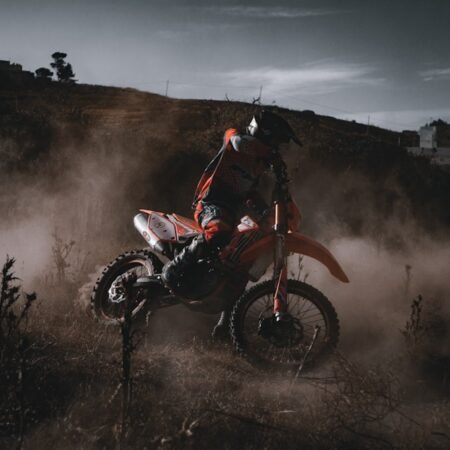

When it comes to filming in outdoor environments, understanding the terrain is crucial for capturing the best shots. Whether you’re shooting in a mountainous region, a dense forest, or a coastal area, each terrain presents its own set of challenges and opportunities. For example, shooting in a mountainous region may require you to navigate steep slopes and rocky terrain, while filming in a coastal area may involve dealing with strong winds and saltwater spray. Understanding the terrain also means being aware of potential hazards such as loose rocks, slippery surfaces, and unpredictable weather conditions. By familiarizing yourself with the terrain, you can better prepare for the challenges that lie ahead and ensure the safety of yourself and your equipment.
In addition to understanding the physical characteristics of the terrain, it’s also important to consider the cultural and environmental aspects of the location. For example, filming in a national park or protected wilderness area may require obtaining permits and adhering to specific regulations to minimize your impact on the environment. Similarly, shooting in a culturally significant location may involve respecting local customs and traditions. By taking the time to understand the terrain in all its dimensions, you can not only capture stunning footage but also demonstrate respect for the natural and cultural heritage of the location.
Choosing the Right Equipment
Selecting the right equipment is essential for capturing high-quality outdoor footage. When filming in rugged outdoor environments, it’s important to choose gear that is durable, weather-resistant, and capable of withstanding the demands of the terrain. This may include investing in a sturdy camera rig, protective cases for your equipment, and reliable power sources to keep your gear running in remote locations. Additionally, choosing the right lenses and filters can help you capture the unique beauty of the outdoor environment, whether it’s the sweeping vistas of a mountain range or the intricate details of a forest floor.
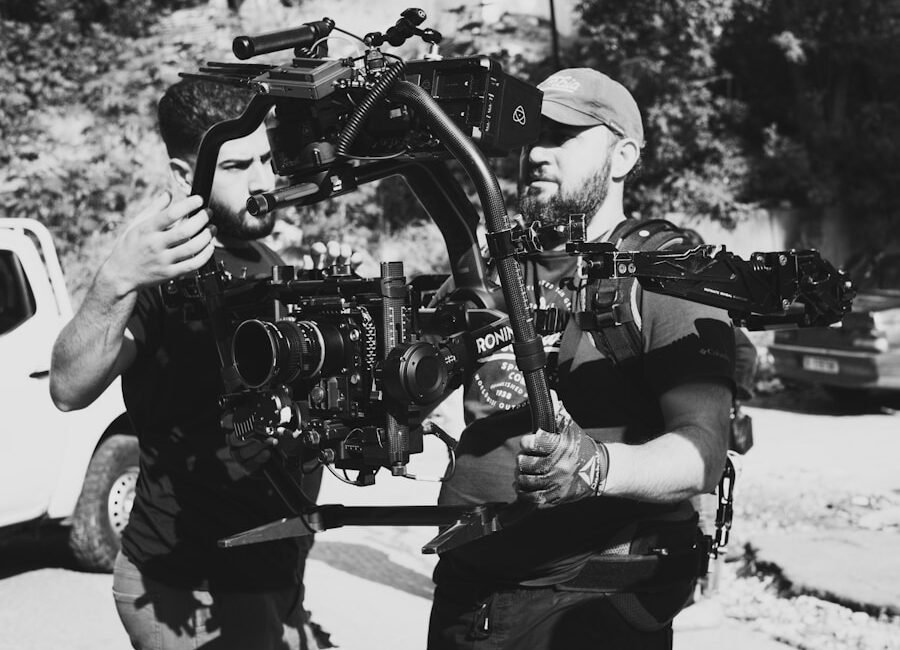
In addition to durable equipment, it’s also important to consider portability and versatility when choosing gear for outdoor filming. Carrying heavy and bulky equipment over long distances can be impractical and exhausting, so opting for lightweight and compact gear can make a significant difference in your ability to navigate challenging terrain. Furthermore, versatile equipment such as drones and stabilizers can provide creative opportunities for capturing dynamic shots in outdoor environments. By carefully selecting the right equipment for your outdoor filming needs, you can ensure that you’re prepared to capture stunning footage while minimizing the physical strain on yourself and your crew.
Mastering the Art of Stabilization
Mastering the art of stabilization is essential for capturing smooth and professional-looking footage in outdoor environments. When filming in rugged terrain or adverse weather conditions, maintaining stability can be particularly challenging. However, using stabilizing equipment such as gimbals, tripods, and steadicams can help you achieve steady shots even in challenging conditions. Additionally, mastering handheld stabilization techniques such as proper posture and movement can make a significant difference in the quality of your footage. By practicing these techniques and using the right equipment, you can ensure that your outdoor footage is visually appealing and free from distracting camera shake.
Furthermore, understanding how to adapt your stabilization techniques to different terrains is crucial for capturing diverse and engaging footage. For example, shooting on uneven ground may require adjusting your stance and movement to maintain stability, while filming in windy conditions may necessitate using additional stabilization tools such as windshields or sandbags. By mastering the art of stabilization and adapting your techniques to the specific challenges of the terrain, you can elevate the quality of your outdoor footage and create a more immersive viewing experience for your audience.
Planning Your Shots
Planning your shots is essential for capturing compelling outdoor footage that tells a cohesive and engaging story. Before heading out into the field, it’s important to have a clear vision of the shots you want to capture and how they will fit together to create a narrative. This may involve scouting locations, creating shot lists, and storyboarding key sequences to ensure that you have a clear plan for capturing the footage you need. Additionally, considering factors such as lighting conditions, weather patterns, and natural landmarks can help you anticipate opportunities for capturing stunning visuals and compelling storytelling moments.
In addition to planning individual shots, it’s also important to consider how they will fit together in the editing process. Thinking about how each shot will transition into the next and contribute to the overall narrative can help you capture footage that is cohesive and visually engaging. Furthermore, planning for different camera angles and perspectives can add depth and variety to your outdoor footage, creating a more immersive viewing experience for your audience. By carefully planning your shots and considering how they will contribute to the overall story, you can ensure that your outdoor footage is visually compelling and effectively communicates your intended message.
Adjusting Your Filming Technique
Adjusting your filming technique is essential for capturing high-quality outdoor footage that effectively communicates the beauty and drama of natural environments. When filming in outdoor settings, it’s important to be adaptable and responsive to the ever-changing conditions of the terrain. This may involve adjusting your camera settings to accommodate shifting lighting conditions or changing your shooting position to capture a more dynamic perspective. Additionally, being mindful of composition and framing can help you create visually striking footage that highlights the unique features of the outdoor environment.
Furthermore, adjusting your filming technique also means being open to experimentation and creativity. Embracing unconventional angles, movement patterns, and visual storytelling techniques can help you capture footage that is fresh and engaging. Whether it’s experimenting with time-lapse photography to capture the passage of time in a natural setting or using slow-motion techniques to highlight the intricate details of a landscape, being open to new approaches can lead to visually stunning results. By adjusting your filming technique to respond to the unique challenges and opportunities of outdoor environments, you can capture footage that is both technically proficient and artistically compelling.
Safety Precautions
Taking safety precautions is paramount when filming in outdoor environments to ensure the well-being of yourself, your crew, and your equipment. Outdoor filming often involves navigating rugged terrain, unpredictable weather conditions, and potential hazards such as wildlife encounters or natural disasters. Prioritizing safety means being prepared for these challenges by carrying essential safety gear such as first aid kits, emergency communication devices, and protective clothing. Additionally, being aware of local regulations and guidelines for outdoor filming can help you minimize risks and ensure that you’re operating within legal boundaries.
Furthermore, communicating with your crew about safety protocols and emergency procedures is essential for maintaining a safe working environment. This may involve conducting safety briefings before heading out into the field, establishing clear communication channels during filming, and designating specific roles for handling emergency situations. Additionally, being mindful of environmental conservation practices such as Leave No Trace principles can help minimize your impact on natural habitats while filming. By prioritizing safety at every stage of the filming process, you can ensure that your outdoor shoots are not only successful but also conducted with respect for the well-being of everyone involved.
Post-Production Tips
Post-production is a crucial stage in creating compelling outdoor footage that effectively communicates the beauty and drama of natural environments. Once you’ve captured your footage in the field, it’s important to carefully review and organize your material before diving into the editing process. This may involve creating a detailed logging system for your footage, labeling key sequences, and identifying potential storytelling moments that will shape the narrative of your project. Additionally, considering factors such as pacing, rhythm, and visual continuity can help you create a cohesive and engaging final product.
In addition to organizing your material, post-production also involves using editing tools and techniques to enhance the visual impact of your outdoor footage. This may include color grading to enhance the natural beauty of landscapes, sound design to create an immersive audio experience, and visual effects to add depth and drama to key sequences. Furthermore, considering how different elements such as music, narration, and sound effects will contribute to the overall storytelling can help you create a more emotionally resonant viewing experience for your audience. By carefully crafting your outdoor footage in post-production, you can ensure that it effectively communicates the intended message while captivating viewers with its visual beauty.
In conclusion, capturing high-quality outdoor footage requires careful consideration of the terrain, equipment selection, stabilization techniques, shot planning, filming adjustments, safety precautions, and post-production processes. By understanding the unique challenges and opportunities presented by outdoor environments and adapting your approach accordingly, you can create visually stunning footage that effectively communicates the beauty and drama of natural landscapes. Whether you’re shooting in mountainous regions, dense forests, coastal areas or any other outdoor setting, prioritizing safety at every stage of the filming process is essential for ensuring a successful shoot while respecting the well-being of everyone involved. With careful planning and attention to detail throughout each stage of production from pre-production through post-production you can create compelling outdoor footage that captivates audiences with its visual beauty while effectively communicating its intended message.