
Slow motion is a technique used in cinematography to capture and display movement at a much slower rate than it occurs in real time. This effect can be achieved by recording footage at a higher frame rate than the standard 24 frames per second (fps) used in traditional filmmaking. When played back at the standard frame rate, the footage appears to move in slow motion, creating a dramatic and visually captivating effect.
One of the key benefits of using slow motion in filmmaking is the ability to highlight and emphasize specific movements or actions that may be too fast for the human eye to fully appreciate in real time. This can add a sense of drama, tension, and beauty to a scene, and can be particularly effective in capturing sports, action sequences, and emotional moments. Slow motion can also be used to create a dreamy, surreal atmosphere, or to draw attention to small details that might otherwise go unnoticed.
In order to achieve the best results with slow motion, it’s important to have a solid understanding of the technical aspects of the process, as well as the creative possibilities it offers. By choosing the right equipment, mastering camera settings, utilizing lighting and composition effectively, and employing editing and post-production techniques, filmmakers can create stunning slow motion sequences that enhance the visual impact of their work.
Choosing the Right Equipment for Slow Motion
When it comes to capturing slow motion footage, choosing the right equipment is crucial. The most important piece of gear for achieving slow motion is a camera that is capable of shooting at high frame rates. Many modern digital cameras offer the ability to shoot at 60fps, 120fps, or even higher, allowing filmmakers to capture smooth and detailed slow motion footage. Some cameras also offer specialized slow motion modes or settings that make it easier to achieve the desired effect.
In addition to a high frame rate camera, other equipment such as a stable tripod or gimbal, high-quality lenses, and external monitors or recorders may also be necessary to ensure the best results. It’s important to consider factors such as resolution, sensor size, and dynamic range when choosing a camera for slow motion, as these can all impact the overall quality of the footage. Additionally, investing in accessories such as ND filters or external lighting can help to enhance the visual impact of slow motion shots.
Ultimately, the right equipment for capturing slow motion will depend on the specific needs and budget of the filmmaker, as well as the creative vision for the project. By carefully considering these factors and doing thorough research, filmmakers can make informed decisions about which gear will best suit their needs and help them achieve their desired results.
Mastering Camera Settings for Slow Motion
In order to capture high-quality slow motion footage, it’s essential to master the camera settings that will allow for smooth and detailed results. One of the most important settings to consider is the frame rate, which determines how many frames per second will be recorded. The higher the frame rate, the slower the resulting footage will appear when played back at a standard frame rate. For example, shooting at 120fps will result in footage that is five times slower than real time when played back at 24fps.
Another crucial setting to consider is shutter speed, which can have a significant impact on the overall look and feel of slow motion footage. In general, using a faster shutter speed will result in sharper and more detailed images, while a slower shutter speed can create a smoother and more fluid effect. It’s important to experiment with different shutter speeds to find the right balance between sharpness and motion blur for each specific shot.
Additionally, adjusting other settings such as aperture, ISO, and white balance can help to ensure that slow motion footage looks its best. By understanding how these settings work together and how they can be adjusted to achieve different visual effects, filmmakers can take full advantage of the creative possibilities offered by slow motion. With practice and experimentation, mastering camera settings for slow motion can become second nature, allowing filmmakers to confidently capture stunning footage that enhances the impact of their work.
Utilizing Lighting and Composition for Stunning Slow Motion Shots
In addition to choosing the right equipment and mastering camera settings, utilizing lighting and composition effectively is essential for creating stunning slow motion shots. Lighting plays a crucial role in setting the mood and atmosphere of a scene, and can have a significant impact on how slow motion footage looks and feels. By carefully considering factors such as natural light, artificial lighting sources, and light modifiers such as reflectors or diffusers, filmmakers can create visually striking slow motion shots that draw viewers in and enhance the emotional impact of a scene.
Composition is another key element to consider when capturing slow motion footage. By carefully framing shots, considering camera angles, and paying attention to visual elements such as leading lines, symmetry, and depth of field, filmmakers can create dynamic and visually engaging sequences that make the most of the slow motion effect. It’s important to think about how movement will be captured within the frame, and how different compositional choices can help to emphasize specific actions or emotions.
Ultimately, by understanding how lighting and composition can be used to enhance slow motion footage, filmmakers can create visually stunning sequences that captivate audiences and elevate the overall quality of their work. By paying attention to these important elements and taking the time to carefully plan and execute each shot, filmmakers can make the most of the creative possibilities offered by slow motion.
Capturing Movement and Action in Slow Motion
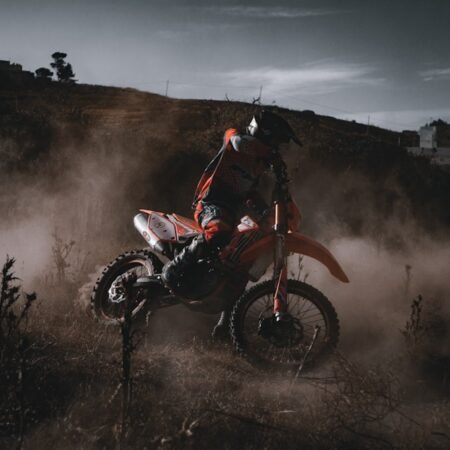
One of the most exciting aspects of using slow motion in filmmaking is the ability to capture movement and action in a way that highlights detail and emotion. Whether it’s a dramatic fight scene, an intense sports moment, or a simple everyday action, slow motion can add depth and impact to any type of movement. By carefully planning shots, considering camera angles and framing, and working closely with actors or subjects, filmmakers can create dynamic and visually compelling sequences that make the most of the slow motion effect.
When capturing movement in slow motion, it’s important to consider factors such as pacing, rhythm, and timing. By carefully choreographing actions and movements within a scene, filmmakers can create visually striking sequences that draw viewers in and hold their attention. It’s also important to consider how different types of movement will be affected by slow motion – for example, fast movements may appear more graceful or elegant when slowed down, while slower movements may take on a new sense of weight and significance.
In addition to capturing physical movement, slow motion can also be used to highlight emotional moments or subtle details that might otherwise go unnoticed. By focusing on facial expressions, body language, or small gestures within a scene, filmmakers can create powerful and evocative sequences that resonate with audiences on a deeper level. Ultimately, by understanding how to capture movement and action in slow motion effectively, filmmakers can create visually stunning sequences that enhance the overall impact of their work.
Editing and Post-Production Techniques for Slow Motion Footage
Once slow motion footage has been captured, it’s important to use editing and post-production techniques to enhance its visual impact and ensure that it fits seamlessly into the overall project. One of the most important aspects of editing slow motion footage is choosing the right playback speed – this will determine how much slower than real time the footage will appear when played back at a standard frame rate. By experimenting with different playback speeds and considering factors such as pacing and rhythm within a scene, filmmakers can create visually compelling sequences that make the most of the slow motion effect.
In addition to playback speed, editing techniques such as color grading, visual effects, and sound design can also be used to enhance slow motion footage. By carefully adjusting color tones, contrast levels, and visual effects such as motion blur or time remapping, filmmakers can create visually striking sequences that draw viewers in and hold their attention. Sound design is another important aspect to consider – by carefully selecting music or sound effects that complement the mood and atmosphere of a scene, filmmakers can create an immersive audio-visual experience that enhances the overall impact of their work.
Ultimately, by using editing and post-production techniques effectively, filmmakers can ensure that slow motion footage looks its best and fits seamlessly into the overall project. By paying attention to these important aspects and taking the time to carefully refine each shot during post-production, filmmakers can create visually stunning sequences that captivate audiences and elevate the overall quality of their work.
Tips and Tricks for Creating Cinematic Slow Motion Sequences
Creating cinematic slow motion sequences requires careful planning, attention to detail, and a willingness to experiment with different techniques. One important tip for achieving stunning slow motion footage is to carefully plan each shot in advance – this includes considering factors such as camera angles, framing, lighting, composition, and movement within the frame. By taking the time to plan each shot carefully and consider how different elements will come together within a scene, filmmakers can create visually compelling sequences that make the most of the slow motion effect.
Another important tip for creating cinematic slow motion sequences is to experiment with different playback speeds during editing – this can help to find the right balance between pacing and visual impact within a scene. By carefully adjusting playback speeds and considering factors such as rhythm and timing within a sequence, filmmakers can create visually striking footage that draws viewers in and holds their attention. It’s also important to consider how different types of movement will be affected by slow motion – for example, fast movements may appear more graceful or elegant when slowed down, while slower movements may take on a new sense of weight and significance.
In addition to these tips, there are also several tricks that filmmakers can use to enhance their slow motion sequences. For example, using practical effects such as smoke or water droplets can add depth and texture to a scene when captured in slow motion. Similarly, using creative lighting techniques such as backlighting or colored gels can help to create visually striking effects that enhance the overall impact of slow motion footage. By experimenting with different techniques and being willing to think outside the box creatively, filmmakers can create stunning cinematic slow motion sequences that captivate audiences and elevate the overall quality of their work.
In conclusion, creating stunning slow motion sequences requires careful planning, attention to detail, technical expertise, and a willingness to experiment with different techniques. By understanding the basics of slow motion filmmaking, choosing the right equipment, mastering camera settings, utilizing lighting and composition effectively, capturing movement and action in compelling ways, using editing and post-production techniques creatively, and employing tips and tricks for creating cinematic sequences – filmmakers can create visually striking footage that enhances the overall impact of their work. With practice and dedication, mastering the art of slow motion filmmaking can open up new creative possibilities and elevate storytelling in powerful ways.