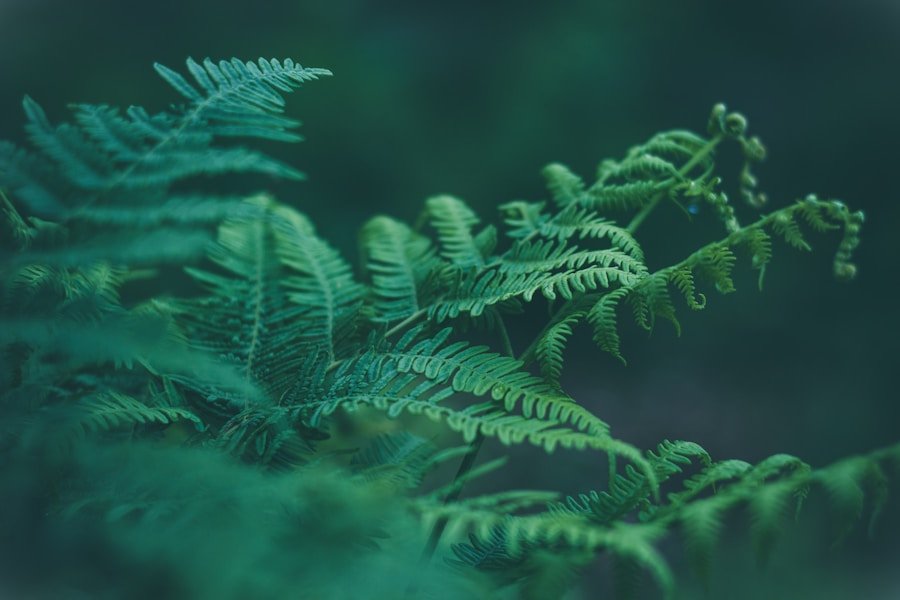

Macro photography is a specialized form of photography that involves capturing close-up images of small subjects, such as insects, flowers, and other tiny objects. The primary goal of macro photography is to capture the intricate details of these subjects that are not visible to the naked eye. This is achieved by using a macro lens, which has the ability to focus at very close distances, allowing the photographer to capture small subjects at life-size or larger. In addition to a macro lens, macro photography often requires the use of additional equipment such as extension tubes, close-up filters, and a sturdy tripod to ensure sharp and detailed images.
Macro photography works by magnifying small subjects to a much larger size, allowing the photographer to capture the fine details and textures that are often overlooked in everyday life. This type of photography requires a keen eye for detail and a good understanding of composition and lighting. It also requires a great deal of patience, as capturing the perfect macro shot can often take time and precision. With the right equipment and techniques, macro photography can produce stunning and captivating images that offer a unique perspective on the world around us.
Essential Gear for Macro Photography: Cameras, Lenses, and Accessories
When it comes to macro photography, having the right gear is essential for capturing stunning close-up images. The most important piece of equipment for macro photography is a dedicated macro lens. These lenses are specifically designed to focus at very close distances, allowing you to capture small subjects at life-size or larger. There are a variety of macro lenses available, ranging from 50mm to 200mm, each with its own advantages and disadvantages. In addition to a macro lens, other essential gear for macro photography includes a sturdy tripod to ensure stability, as well as additional accessories such as extension tubes and close-up filters to further enhance the magnification capabilities of your lens.
In terms of cameras, any DSLR or mirrorless camera with manual focus capabilities can be used for macro photography. However, full-frame cameras are often preferred for their larger sensors and better low-light performance. When it comes to accessories, a remote shutter release can be useful for minimizing camera shake, while a reflector or diffuser can help control the lighting when shooting outdoors. Overall, having the right gear is crucial for achieving sharp and detailed macro images.
Lighting Techniques for Macro Photography: Natural Light, Artificial Light, and Diffusers
Lighting is a crucial aspect of macro photography, as it can greatly impact the overall look and feel of your images. When it comes to lighting techniques for macro photography, there are several options to consider. Natural light is often preferred for macro photography, as it can produce soft and flattering light that enhances the details of your subject. When shooting outdoors, it’s important to pay attention to the direction and quality of the natural light, as well as any harsh shadows that may be cast on your subject.
In situations where natural light is not available or sufficient, artificial light sources such as speedlights or continuous LED lights can be used to illuminate your subject. When using artificial light for macro photography, it’s important to consider the color temperature of the light and how it will affect the colors in your images. Additionally, diffusers can be used to soften and diffuse harsh light, creating a more pleasing and even lighting effect on your subject. Whether using natural or artificial light, understanding how to control and manipulate light is essential for creating compelling macro images.
Composition and Framing: How to Create Compelling Close-Up Shots
Composition and framing are key elements in creating compelling close-up shots in macro photography. When working with small subjects, it’s important to pay attention to the placement and arrangement of your subject within the frame. One common technique in macro photography is to fill the frame with your subject, allowing the viewer to see all the intricate details and textures up close. This can create a sense of intimacy and draw the viewer’s attention to the small details that are often overlooked in everyday life.
Another important aspect of composition in macro photography is the use of leading lines and negative space to draw the viewer’s eye towards the main subject. By carefully positioning your subject within the frame and using elements such as lines or curves to guide the viewer’s gaze, you can create visually dynamic and engaging images. Additionally, paying attention to the background and ensuring that it complements your subject can help create a sense of depth and context in your macro images. By understanding how to effectively compose and frame your shots, you can create compelling close-up images that captivate and engage the viewer.
Tips for Achieving Sharp and Detailed Macro Images
Achieving sharp and detailed macro images requires careful attention to focus, depth of field, and stability. When shooting at such close distances, even the slightest movement can result in blurry or out-of-focus images. To ensure sharpness in your macro images, it’s important to use a sturdy tripod and a remote shutter release to minimize camera shake. Additionally, using a small aperture (such as f/8 or higher) can help increase the depth of field and ensure that more of your subject is in focus.
When it comes to focusing in macro photography, manual focus is often preferred over autofocus, as it allows for more precise control over what parts of your subject are in focus. It’s also important to pay attention to the plane of focus and how it relates to your subject, as even a slight shift in focus can result in a loss of sharpness. By taking the time to carefully focus on your subject and ensuring stability in your setup, you can achieve sharp and detailed macro images that showcase the intricate details of your subject.
Dealing with Challenges in Macro Photography: Depth of Field, Focus, and Stability
Macro photography presents several unique challenges, including depth of field, focus, and stability. One of the biggest challenges in macro photography is achieving sufficient depth of field to ensure that your entire subject is in focus. When shooting at such close distances, depth of field becomes very shallow, making it difficult to keep all parts of your subject sharp. To overcome this challenge, using a small aperture (such as f/8 or higher) can help increase the depth of field and ensure that more of your subject is in focus.
Another challenge in macro photography is achieving precise focus on your subject. With such small subjects and shallow depth of field, achieving sharp focus can be difficult. Using manual focus instead of autofocus can give you more control over what parts of your subject are in focus, allowing you to carefully adjust the focus point for maximum sharpness. Additionally, ensuring stability in your setup by using a sturdy tripod and a remote shutter release can help minimize camera shake and ensure sharp images.
Post-Processing and Editing: Enhancing Your Macro Photos for Maximum Impact
Post-processing and editing are important steps in enhancing your macro photos for maximum impact. After capturing your images, it’s important to carefully review them and make any necessary adjustments in post-processing software such as Adobe Lightroom or Photoshop. One common adjustment in post-processing macro photos is sharpening, which can help enhance the fine details and textures in your images.
In addition to sharpening, adjusting contrast, saturation, and white balance can help bring out the colors and tones in your macro images. It’s important to approach post-processing with a light touch, as over-editing can result in unnatural-looking images. By carefully adjusting these elements in post-processing, you can enhance the overall look and feel of your macro photos while maintaining a natural and realistic appearance.
Another important aspect of post-processing macro photos is cropping and straightening. By carefully cropping your images to remove any distracting elements or improve composition, you can create more visually dynamic and engaging photos. Additionally, straightening any crooked horizons or lines can help improve the overall balance and symmetry of your images. By paying attention to these details in post-processing, you can enhance your macro photos for maximum impact.
In conclusion, macro photography offers a unique perspective on the world around us by capturing close-up images of small subjects with intricate details that are often overlooked in everyday life. Understanding how macro photography works and having the essential gear such as a dedicated macro lens, tripod, and additional accessories is crucial for capturing stunning close-up images. Lighting techniques play a key role in macro photography, whether using natural light or artificial light sources with diffusers to control and manipulate light for compelling images.
Composition and framing are important elements in creating visually dynamic close-up shots in macro photography by carefully positioning your subject within the frame and using leading lines or negative space to draw the viewer’s eye towards the main subject. Achieving sharp and detailed macro images requires careful attention to focus, depth of field, and stability by using manual focus instead of autofocus for precise control over what parts of your subject are in focus.
Dealing with challenges such as depth of field, focus, and stability in macro photography requires using a small aperture for increased depth of field while ensuring stability in your setup with a sturdy tripod and remote shutter release for minimizing camera shake. Post-processing and editing are important steps in enhancing your macro photos for maximum impact by carefully adjusting elements such as sharpening, contrast, saturation, white balance while cropping and straightening for visually dynamic images that captivate and engage the viewer. Overall, mastering macro photography requires patience, attention to detail, and a good understanding of composition, lighting techniques, focusing methods while utilizing post-processing tools for creating stunning close-up images that offer a unique perspective on the world around us.