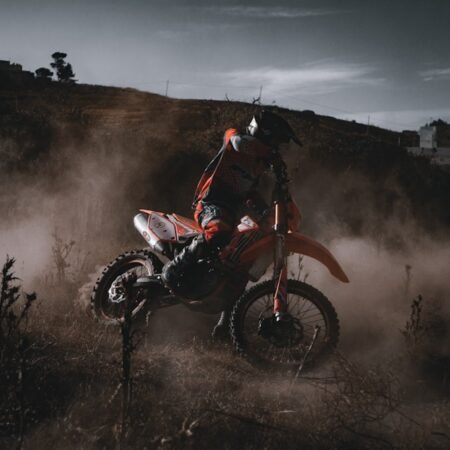

When it comes to choosing the right action camera for your storytelling needs, there are a few key factors to consider. First and foremost, you’ll want to think about the type of activities you’ll be capturing. If you’re an avid surfer or snowboarder, for example, you’ll want a camera that is waterproof and durable enough to withstand the elements. On the other hand, if you’re more interested in capturing fast-paced action on land, you may want to prioritize features like image stabilization and high frame rates.
Another important consideration when choosing an action camera is the quality of the footage it produces. Look for a camera that offers high-resolution video and still images, as well as advanced features like slow-motion and time-lapse recording. Additionally, consider the size and weight of the camera, as well as any mounting options that may be available. Ultimately, the right action camera for your storytelling needs will be one that is versatile, durable, and capable of capturing high-quality footage in a variety of environments.
Understanding the Basics of Action Camera Settings and Features
Once you’ve chosen the right action camera for your needs, it’s important to familiarize yourself with its settings and features. Most action cameras offer a range of shooting modes, including standard video, photo, burst photo, and time-lapse. Additionally, many cameras allow you to adjust settings like resolution, frame rate, and field of view to customize your footage. Understanding how to navigate these settings and make adjustments on the fly will be crucial for capturing dynamic and engaging action shots.
In addition to basic shooting modes and settings, many action cameras also offer advanced features like image stabilization, wind noise reduction, and GPS tracking. These features can help you capture smoother, clearer footage, as well as add context and location data to your stories. Take the time to explore and experiment with these features to understand how they can enhance your storytelling capabilities. By mastering the basics of action camera settings and features, you’ll be better equipped to capture compelling and immersive action footage.
Planning and Preparing for Action Shots and Sequences
Before heading out to capture action shots and sequences with your action camera, it’s important to plan and prepare for the shoot. Start by identifying the key moments or sequences you want to capture, as well as any specific angles or perspectives you’d like to explore. Consider factors like lighting, weather conditions, and potential obstacles that may impact your ability to capture the desired footage. Additionally, think about any safety precautions or equipment you may need to ensure a successful shoot.
Once you have a clear plan in place, take the time to prepare your action camera and accessories. Make sure your camera is fully charged and that you have enough storage space for the footage you plan to capture. Consider using additional accessories like mounts, grips, or stabilizers to help you achieve the desired angles and perspectives. Finally, communicate with any subjects or collaborators involved in the shoot to ensure everyone is on the same page and working towards a common vision. By planning and preparing for action shots and sequences in advance, you’ll be better positioned to capture compelling and impactful footage.
Capturing Dynamic Angles and Perspectives for Maximum Impact
One of the key advantages of using an action camera for storytelling is the ability to capture dynamic angles and perspectives that may be difficult or impossible with traditional cameras. When shooting with an action camera, think about how you can use its small size and versatility to your advantage. Experiment with mounting the camera in unique locations or using accessories like grips or stabilizers to achieve different perspectives. Additionally, consider incorporating movement into your shots by using techniques like panning or tracking to add energy and excitement to your footage.
In addition to exploring different angles and perspectives, consider how you can use the action camera’s features to enhance your storytelling. For example, slow-motion recording can be used to highlight specific moments or actions, while time-lapse recording can add a sense of urgency or progression to your story. By thinking creatively about how to capture dynamic angles and perspectives with your action camera, you’ll be able to create more engaging and immersive storytelling experiences for your audience.
Editing and Enhancing Action Camera Footage for Engaging Storytelling
Once you’ve captured your action camera footage, the next step is to edit and enhance it to create engaging storytelling experiences. Start by reviewing your footage and identifying the key moments or sequences that best convey your story. Consider how you can use editing techniques like cutting, pacing, and sequencing to build tension, create drama, or highlight specific actions. Additionally, think about how you can use color correction, visual effects, and other post-production tools to enhance the overall look and feel of your footage.
In addition to editing techniques, consider how you can incorporate additional elements like text overlays or graphics to provide context or information to your audience. For example, adding location data or statistics can help viewers better understand the significance of the actions being captured. Finally, consider how you can use sound design and audio effects to further enhance the impact of your footage. By editing and enhancing your action camera footage with care and creativity, you’ll be able to create more engaging and immersive storytelling experiences for your audience.
Incorporating Audio and Music to Enhance the Action Camera Storytelling Experience
In addition to editing techniques and visual enhancements, incorporating audio and music can further enhance the action camera storytelling experience. Start by considering how ambient sounds or natural audio captured during the shoot can add depth and realism to your footage. For example, the sound of crashing waves or cheering crowds can help transport viewers into the moment and create a more immersive experience. Additionally, consider using audio effects or foley sounds to emphasize specific actions or add drama to key moments.
In addition to natural audio, carefully selecting music can also play a crucial role in shaping the emotional impact of your storytelling. Consider how different genres or styles of music can evoke specific moods or emotions that complement the actions being captured. Pay attention to factors like tempo, rhythm, and instrumentation to ensure that the music enhances rather than distracts from the overall storytelling experience. By incorporating audio and music thoughtfully into your action camera stories, you’ll be able to create more impactful and memorable experiences for your audience.
Sharing and Promoting Your Action Camera Stories with the World
Once you’ve created compelling action camera stories, the final step is sharing and promoting them with the world. Start by identifying platforms or channels where your target audience is most likely to engage with your content. Consider using social media platforms like Instagram or YouTube to reach a wider audience, as well as niche communities or forums where enthusiasts of specific activities may gather. Additionally, consider collaborating with other creators or influencers who may be able to help amplify your stories through their own channels.
In addition to sharing your stories, consider how you can engage with your audience through interactive elements like behind-the-scenes content or Q&A sessions. Building a community around your action camera stories can help foster a sense of connection and loyalty among your audience. Finally, consider leveraging analytics and insights from platforms to understand how your stories are being received and make adjustments as needed. By sharing and promoting your action camera stories with care and creativity, you’ll be able to connect with a wider audience and build a loyal following for your storytelling endeavors.
In conclusion, choosing the right action camera for your storytelling needs is crucial for capturing compelling footage in a variety of environments. Understanding the basics of action camera settings and features will help you maximize the capabilities of your camera and capture dynamic shots with impact. Planning and preparing for action shots and sequences will ensure a successful shoot, while capturing dynamic angles and perspectives will add depth and excitement to your storytelling. Editing and enhancing action camera footage with care will create engaging storytelling experiences for your audience, while incorporating audio and music will further enhance the emotional impact of your stories. Finally, sharing and promoting your action camera stories with the world will help you connect with a wider audience and build a loyal following for your storytelling endeavors. By mastering these key elements of action camera storytelling, you’ll be able to create compelling and immersive experiences that captivate and inspire audiences around the world.

Other Articles
Capture the Moment: 10 Tips for Taking Amazing Group Photos