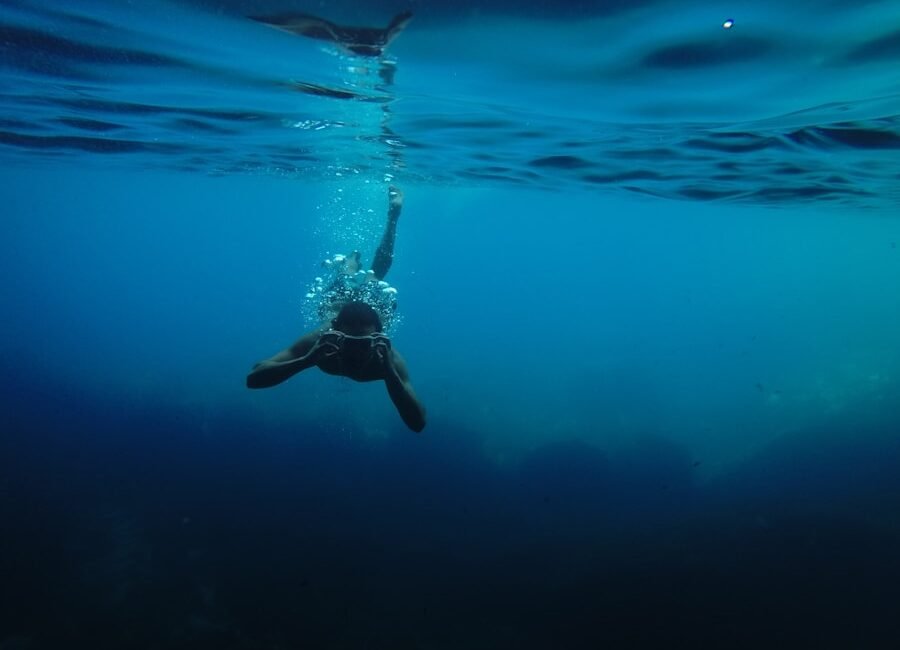

Underwater photography is a unique and challenging form of photography that requires a different set of skills and techniques compared to traditional photography on land. One of the most important aspects of underwater photography is understanding the behavior of light and color underwater. Water absorbs and scatters light differently than air, which can result in loss of color and contrast in your images. Understanding how to work with natural light and artificial lighting sources underwater is crucial for capturing vibrant and dynamic underwater portraits.
Another important aspect of underwater photography is understanding the limitations and challenges of shooting in an underwater environment. Factors such as water clarity, currents, and visibility can greatly impact the quality of your images. It’s important to be aware of these challenges and to be prepared to adapt your shooting techniques accordingly. Additionally, understanding the behavior of marine life and how to interact with underwater subjects is essential for capturing compelling and ethereal underwater portraits.
Choosing the Right Equipment and Gear
When it comes to underwater photography, choosing the right equipment and gear is crucial for achieving professional-quality results. The most important piece of equipment for underwater photography is a reliable and durable underwater camera housing. This housing should be specifically designed for your camera model and should provide full access to all camera controls while also being waterproof and pressure-resistant. Additionally, investing in high-quality underwater lenses and strobes can greatly enhance the quality of your underwater portraits.
In addition to camera gear, it’s important to invest in the right diving equipment to ensure your safety and comfort while shooting underwater. This includes a high-quality wetsuit or drysuit, fins, a dive mask, and a snorkel or scuba gear depending on your preferred diving method. It’s also important to consider additional accessories such as underwater communication devices, dive lights, and underwater tripods to further enhance your underwater photography capabilities.
Mastering the Art of Composition and Lighting
Composition and lighting are fundamental elements of photography, and they are equally important in underwater portrait photography. When composing underwater portraits, it’s important to consider the unique dynamics of the underwater environment. Pay attention to the natural lines, shapes, and textures of the underwater landscape, and use them to create visually compelling compositions. Additionally, understanding how to work with the natural light and shadows underwater can greatly enhance the mood and atmosphere of your images.
In terms of lighting, artificial lighting sources such as strobes and dive lights are essential for illuminating your subjects and adding depth and dimension to your underwater portraits. Understanding how to position and control these lighting sources underwater is crucial for achieving professional-quality results. Additionally, mastering techniques such as backlighting and silhouette photography can add a dramatic and ethereal quality to your underwater portraits.
Working with Models and Subjects Underwater
Working with models and subjects underwater presents a unique set of challenges compared to traditional portrait photography on land. Communication is key when working with models underwater, as verbal communication can be limited due to the use of dive masks and regulators. It’s important to establish clear hand signals and non-verbal communication techniques with your models to ensure a smooth and efficient shooting process.
Additionally, understanding how to direct and pose models underwater is crucial for capturing natural and dynamic underwater portraits. It’s important to consider the buoyancy and movement of your models in the water, as well as their comfort and safety while shooting. Building trust and rapport with your models is essential for creating a collaborative and creative shooting environment.
Overcoming Challenges and Safety Precautions
Underwater photography presents a unique set of challenges and safety considerations that must be taken into account to ensure a safe and successful shooting experience. One of the most important safety precautions for underwater photography is proper dive training and certification. It’s essential to be a confident and competent diver before attempting underwater photography, as diving skills are crucial for navigating the underwater environment safely.
Additionally, understanding how to work with marine life in a respectful and non-intrusive manner is essential for both ethical and safety reasons. It’s important to be aware of local marine life regulations and guidelines, and to always prioritize the well-being of the marine environment when shooting underwater portraits. Being mindful of potential hazards such as strong currents, entanglement risks, and decompression sickness is also crucial for ensuring a safe and enjoyable shooting experience.
Post-Processing and Editing Techniques for Underwater Portraits
Post-processing and editing are essential steps in the creation of professional-quality underwater portraits. Understanding how to work with raw image files and editing software such as Adobe Lightroom or Photoshop is crucial for enhancing the color, contrast, and overall quality of your underwater images. It’s important to pay attention to details such as white balance, exposure, and color correction to ensure that your underwater portraits accurately reflect the vibrant colors and textures of the underwater environment.
In addition to basic editing techniques, mastering advanced editing techniques such as frequency separation, dodge and burn, and selective color adjustments can greatly enhance the visual impact of your underwater portraits. It’s important to approach post-processing with a discerning eye and a commitment to preserving the natural beauty of the underwater environment while also enhancing the visual impact of your images.
Showcasing Your Underwater Portrait Photography
Once you have captured and edited your underwater portraits, it’s important to showcase your work in a way that highlights its unique beauty and ethereal quality. Consider creating a portfolio or online gallery dedicated specifically to your underwater portrait photography, where you can showcase your best work in a visually compelling and cohesive manner. Additionally, consider entering your images into photography competitions or submitting them for publication in magazines or online platforms dedicated to underwater photography.
Social media platforms such as Instagram can also be powerful tools for showcasing your underwater portrait photography and connecting with a wider audience of fellow photographers, diving enthusiasts, and potential clients. Consider using hashtags such as #underwaterphotography or #underwaterportraits to reach a larger audience and connect with like-minded individuals who share your passion for capturing the beauty of the underwater world.
In conclusion, underwater portrait photography is a challenging yet rewarding form of photography that requires a unique set of skills, techniques, and equipment. By understanding the basics of underwater photography, choosing the right equipment and gear, mastering the art of composition and lighting, working with models and subjects underwater, overcoming challenges and safety precautions, mastering post-processing and editing techniques, and showcasing your work effectively, you can create stunning and ethereal underwater portraits that capture the beauty of the underwater world in a truly unique way. With dedication, practice, and a deep respect for the marine environment, you can become a skilled and accomplished underwater portrait photographer capable of capturing breathtaking images that inspire wonder and awe in viewers around the world.

Other Articles

DIY Home Office Studio Setup for Stunning Product Shots