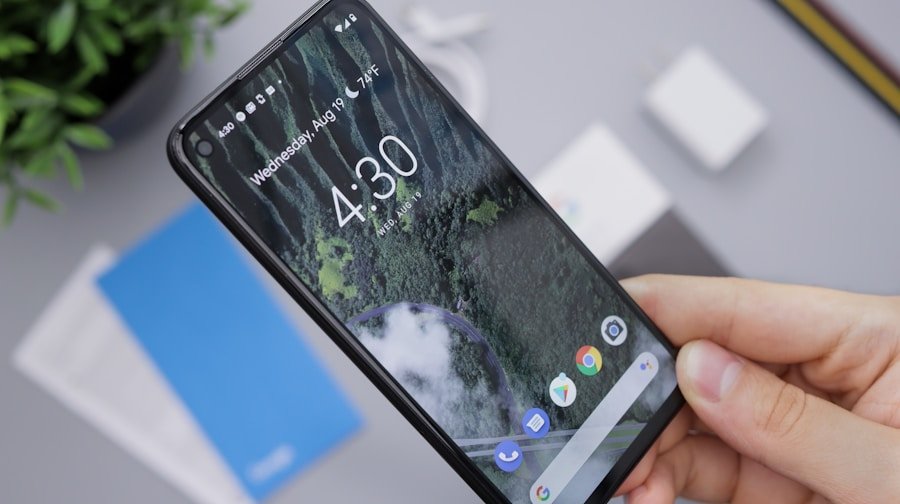

Smartphone photography has become increasingly popular in recent years, thanks to the advancements in technology that have made it possible for smartphones to rival traditional cameras in terms of image quality. Understanding the basics of smartphone photography is essential for anyone looking to take their mobile photography to the next level. One of the most important aspects of smartphone photography is understanding the capabilities and limitations of your device. Different smartphones have different camera specifications, such as megapixels, aperture size, and sensor quality, which can all affect the quality of your photos. It’s important to familiarize yourself with your smartphone’s camera settings and features, such as HDR mode, portrait mode, and manual mode, in order to maximize its potential. Additionally, understanding the fundamentals of photography, such as composition, lighting, and framing, is crucial for capturing compelling and visually appealing images with your smartphone.
Furthermore, learning how to properly hold and stabilize your smartphone while taking photos is essential for achieving sharp and clear images. Using a tripod or a stabilizing device can help minimize camera shake and ensure that your photos are sharp and in focus. Additionally, familiarizing yourself with basic photography principles, such as the rule of thirds, leading lines, and symmetry, can help you compose more visually interesting and dynamic images. By understanding the basics of smartphone photography, you can take full advantage of your device’s capabilities and capture stunning images that rival those taken with traditional cameras.
Utilizing Manual Settings for Creative Control
While many people rely on their smartphone’s automatic mode for taking photos, utilizing manual settings can give you greater creative control over your images. Most smartphones offer manual controls for settings such as ISO, shutter speed, and white balance, allowing you to adjust these parameters to achieve the desired look and feel for your photos. For example, adjusting the ISO can help you capture better low-light photos without introducing too much noise, while adjusting the shutter speed can allow you to capture motion blur or freeze fast-moving subjects. Additionally, adjusting the white balance can help you achieve more accurate colors in different lighting conditions. By familiarizing yourself with these manual settings and experimenting with different combinations, you can take your smartphone photography to new heights and capture images that truly stand out.
Moreover, utilizing manual settings can also help you overcome challenging lighting situations, such as high-contrast scenes or backlit subjects. By adjusting the exposure compensation and using techniques such as bracketing, you can ensure that both the highlights and shadows in your photos are properly exposed. Additionally, using manual focus can help you achieve precise focus on your subject, especially in situations where the autofocus may struggle. By taking advantage of manual settings, you can unleash your creativity and capture images that truly reflect your artistic vision.
Exploring Different Composition Techniques
Composition is a fundamental aspect of photography that can greatly impact the visual impact of your images. By exploring different composition techniques, you can create more visually compelling and engaging photos with your smartphone. One of the most commonly used composition techniques is the rule of thirds, which involves dividing the frame into a 3×3 grid and placing key elements along the gridlines or at the intersections. This technique can help create a sense of balance and visual interest in your photos. Additionally, leading lines can be used to draw the viewer’s eye into the image and create a sense of depth and movement. By incorporating leading lines into your compositions, you can guide the viewer’s gaze towards the main subject or focal point of your photo.
Furthermore, experimenting with different perspectives and angles can also help you create more dynamic and visually interesting compositions. Instead of shooting from eye level, try getting down low or shooting from a high vantage point to create a unique and compelling perspective. Additionally, incorporating negative space into your compositions can help draw attention to the main subject and create a sense of simplicity and elegance in your photos. By exploring different composition techniques and experimenting with different approaches, you can elevate your smartphone photography and capture images that truly stand out.
Harnessing the Power of Natural Light
Lighting plays a crucial role in photography, and learning how to harness the power of natural light can greatly improve the quality of your smartphone photos. One of the most important aspects of natural light photography is understanding the different qualities of light, such as soft light, harsh light, and golden hour light. Soft light, which is often found on overcast days or in shaded areas, can help create flattering and even lighting for portraits and still life photography. Harsh light, on the other hand, can create strong shadows and highlights, which can be used to create dramatic and high-contrast images. Additionally, golden hour light, which occurs during sunrise and sunset, can create warm and soft lighting that is ideal for capturing stunning landscapes and outdoor scenes.
Moreover, learning how to use natural light to your advantage can help you create more visually compelling and dynamic photos. By paying attention to the direction and quality of light, you can create more interesting and dramatic compositions. For example, backlighting can be used to create silhouettes or add a sense of depth and dimension to your photos. Additionally, using natural light to create interesting patterns and textures can help add visual interest to your images. By harnessing the power of natural light and understanding how it affects your photos, you can elevate your smartphone photography and capture images that truly shine.
Mastering the Art of Editing and Post-Processing
While capturing great photos with your smartphone is important, mastering the art of editing and post-processing is equally crucial for creating stunning images. There are a wide variety of photo editing apps available for smartphones that offer powerful tools for enhancing and refining your photos. One of the most important aspects of editing is adjusting the exposure, contrast, and color balance to ensure that your photos look their best. Additionally, using tools such as sharpening, noise reduction, and lens correction can help improve the overall quality of your images.
Furthermore, experimenting with creative effects and filters can help you add a unique and artistic touch to your photos. Whether it’s adding a vintage film look or creating a moody black-and-white image, using creative effects can help you express your artistic vision and create visually stunning photos. Additionally, learning how to use selective editing tools, such as masking and layering, can help you make targeted adjustments to specific areas of your photos. By mastering the art of editing and post-processing, you can take your smartphone photography to new heights and create images that truly reflect your creative vision.
Experimenting with Different Filming Styles and Angles
In addition to taking still photos, many smartphones also offer powerful video recording capabilities that allow you to capture high-quality footage on the go. Experimenting with different filming styles and angles can help you create more dynamic and visually engaging videos with your smartphone. One of the most important aspects of filming is understanding how different camera movements and angles can affect the visual impact of your videos. Whether it’s using panning shots to capture sweeping landscapes or incorporating dynamic camera movements to create a sense of energy and movement, experimenting with different filming styles can help you create more visually compelling videos.
Moreover, exploring different filming techniques such as time-lapse and slow motion can add a unique and creative touch to your videos. Time-lapse videos can be used to capture the passage of time in a visually captivating way, while slow motion videos can be used to highlight subtle details or create a sense of drama and impact. Additionally, experimenting with different framing techniques such as close-ups, wide shots, and aerial perspectives can help you create more visually interesting videos that captivate your audience. By experimenting with different filming styles and angles, you can unleash your creativity and capture cinematic masterpieces with your smartphone.
Sharing Your Cinematic Masterpieces with the World
Once you’ve captured stunning photos and videos with your smartphone, it’s time to share your cinematic masterpieces with the world. There are a wide variety of platforms available for sharing your work, such as social media networks like Instagram, Facebook, and Twitter, as well as dedicated photography communities like Flickr and 500px. Sharing your work on these platforms allows you to connect with other photographers and enthusiasts, receive feedback on your work, and gain exposure for your creative endeavors.
Furthermore, creating a personal portfolio or website can help showcase your best work in a professional and organized manner. Whether it’s creating an online gallery or a blog where you share behind-the-scenes stories about your creative process, having a dedicated space to showcase your work can help you build a strong online presence and attract potential clients or collaborators. Additionally, participating in photography contests or exhibitions can provide valuable opportunities to showcase your work to a wider audience and gain recognition for your creative talents.
In conclusion, smartphone photography offers endless possibilities for capturing stunning images and videos on the go. By understanding the basics of smartphone photography, utilizing manual settings for creative control, exploring different composition techniques, harnessing the power of natural light, mastering the art of editing and post-processing, experimenting with different filming styles and angles, and sharing your cinematic masterpieces with the world, you can take your mobile photography to new heights and create images that truly reflect your artistic vision. With dedication, practice, and a keen eye for creativity, anyone can become a masterful smartphone photographer capable of capturing breathtaking images that inspire and captivate audiences around the world.