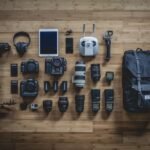

When it comes to landscape photography, choosing the right lens is crucial in capturing the beauty of nature. There are several types of lenses to consider, each with its own unique characteristics and advantages. The most common types of lenses used in landscape photography are wide angle, telephoto, prime, and zoom lenses.
Wide angle lenses are popular among landscape photographers due to their ability to capture a wide field of view, making them ideal for capturing expansive landscapes and dramatic skies. These lenses typically have a focal length of 14mm to 35mm, allowing photographers to include more of the scene in their frame. On the other hand, telephoto lenses have a longer focal length, typically ranging from 70mm to 200mm or more. These lenses are great for isolating specific elements within a landscape, such as distant mountains or wildlife, and can also compress the perspective, making distant objects appear closer together.
Prime lenses have a fixed focal length, meaning they cannot zoom in or out. While this may seem limiting, prime lenses are known for their exceptional image quality and wide apertures, making them great for capturing sharp, detailed images with beautiful bokeh. Zoom lenses, on the other hand, offer versatility with their ability to zoom in and out, allowing photographers to quickly adjust their composition without changing lenses. Understanding the characteristics of each type of lens is essential in choosing the right one for your landscape photography needs.
Factors to Consider When Choosing a Lens for Landscape Photography
When choosing a lens for landscape photography, there are several factors to consider to ensure you capture stunning images of nature’s beauty. One of the most important factors to consider is the focal length of the lens. Wide angle lenses with focal lengths between 14mm and 35mm are ideal for capturing expansive landscapes, while telephoto lenses with focal lengths of 70mm or more are great for isolating specific elements within a landscape.
Another important factor to consider is the aperture of the lens. A wide aperture, such as f/2.8 or wider, allows more light to enter the lens, making it ideal for low-light conditions and creating a shallow depth of field for beautiful bokeh. Additionally, a wide aperture can also help freeze motion in fast-moving subjects such as flowing water or swaying trees. On the other hand, a narrow aperture, such as f/8 or smaller, is great for achieving a deep depth of field, ensuring that both the foreground and background are in sharp focus.
The size and weight of the lens should also be taken into consideration, especially if you plan on hiking or traveling to remote locations for your landscape photography. A lightweight and compact lens can make it easier to carry and maneuver, while a larger and heavier lens may require additional support such as a tripod or monopod. Lastly, consider the build quality and weather sealing of the lens, especially if you plan on shooting in challenging weather conditions. A well-built and weather-sealed lens can withstand dust, moisture, and extreme temperatures, ensuring that it performs reliably in any environment.
Wide Angle vs. Telephoto Lenses: Which is Best for Landscapes?
When it comes to choosing between wide angle and telephoto lenses for landscape photography, both have their own unique advantages and can be used to capture stunning images of nature’s beauty. Wide angle lenses are popular among landscape photographers due to their ability to capture a wide field of view, making them ideal for capturing expansive landscapes and dramatic skies. These lenses typically have a focal length of 14mm to 35mm, allowing photographers to include more of the scene in their frame and create a sense of depth and scale.
On the other hand, telephoto lenses have a longer focal length, typically ranging from 70mm to 200mm or more. These lenses are great for isolating specific elements within a landscape, such as distant mountains or wildlife, and can also compress the perspective, making distant objects appear closer together. Telephoto lenses are also ideal for capturing intimate details within a landscape, such as the texture of rock formations or the intricate patterns of foliage.
Ultimately, the choice between wide angle and telephoto lenses depends on the specific vision you have for your landscape photography. If you want to capture sweeping vistas and dramatic skies, a wide angle lens may be the best choice. On the other hand, if you want to isolate specific elements within a landscape and capture intimate details, a telephoto lens may be more suitable. In some cases, both types of lenses can be used together to create a diverse range of images that showcase the beauty of nature from different perspectives.
Prime vs. Zoom Lenses: Pros and Cons for Landscape Photography
When it comes to choosing between prime and zoom lenses for landscape photography, there are several pros and cons to consider that can impact the quality and versatility of your images. Prime lenses have a fixed focal length, meaning they cannot zoom in or out. While this may seem limiting, prime lenses are known for their exceptional image quality and wide apertures, making them great for capturing sharp, detailed images with beautiful bokeh. Additionally, prime lenses are often lighter and more compact than zoom lenses, making them ideal for hiking or traveling to remote locations for landscape photography.
On the other hand, zoom lenses offer versatility with their ability to zoom in and out, allowing photographers to quickly adjust their composition without changing lenses. This can be especially useful when shooting in dynamic environments where the scene is constantly changing, such as during sunrise or sunset. Zoom lenses also offer a range of focal lengths in one lens, eliminating the need to carry multiple prime lenses and allowing photographers to adapt to different shooting situations on the fly.
However, zoom lenses typically have narrower apertures compared to prime lenses, which can impact their performance in low-light conditions and their ability to create a shallow depth of field for beautiful bokeh. Additionally, zoom lenses may be larger and heavier than prime lenses, making them less ideal for hiking or traveling long distances for landscape photography. Ultimately, the choice between prime and zoom lenses depends on your specific needs and shooting style as a landscape photographer.
Specialized Lenses for Landscape Photography: Tilt-Shift and Fisheye
In addition to wide angle and telephoto lenses, there are specialized lenses that can enhance your landscape photography by offering unique perspectives and creative possibilities. Tilt-shift lenses are popular among landscape photographers due to their ability to control perspective distortion and depth of field. These lenses allow photographers to tilt and shift the lens elements independently from the camera body, enabling them to correct converging lines in architectural photography or create a selective focus effect in landscapes.
Fisheye lenses are another specialized option for landscape photography that offer an ultra-wide field of view with extreme barrel distortion. These lenses can capture an expansive 180-degree view of the scene, creating surreal and dramatic images that showcase the curvature of the earth and the vastness of the sky. Fisheye lenses are great for capturing unique perspectives in landscapes and can add a creative touch to your portfolio.
While tilt-shift and fisheye lenses offer unique creative possibilities for landscape photography, they may not be suitable for every shooting situation. Tilt-shift lenses require precise adjustments and careful composition to achieve their desired effect, while fisheye lenses may produce exaggerated distortion that may not be suitable for all landscapes. However, when used thoughtfully and creatively, these specialized lenses can add a new dimension to your landscape photography and help you capture images that stand out from the crowd.
Budget-Friendly Options for Landscape Photography Lenses
Investing in high-quality lenses is essential for capturing stunning images of nature’s beauty in landscape photography. However, there are budget-friendly options available that offer good performance without breaking the bank. One option is to consider purchasing used or refurbished lenses from reputable sources such as camera stores or online marketplaces. Used lenses can offer significant savings compared to new ones while still providing excellent image quality and reliability.
Another budget-friendly option is to consider third-party lenses from manufacturers such as Sigma, Tamron, or Tokina. These companies offer a range of affordable lenses that are compatible with major camera brands such as Canon and Nikon, providing good performance at a fraction of the cost of name-brand lenses. Additionally, third-party lenses often offer unique features and specifications that may not be available from major camera manufacturers, providing photographers with creative possibilities at an affordable price.
Finally, consider renting lenses from camera rental services or local camera stores as a cost-effective way to access high-quality optics without committing to a purchase. Renting allows you to try out different types of lenses before making a decision on which one is best suited for your landscape photography needs. Ultimately, there are budget-friendly options available that can help you build a versatile lens kit for landscape photography without breaking the bank.
Tips for Experimenting with Different Lenses to Enhance Your Landscape Photography Skills
Experimenting with different types of lenses is essential in enhancing your landscape photography skills and capturing stunning images of nature’s beauty from unique perspectives. One tip is to start by familiarizing yourself with the characteristics and capabilities of each type of lens, including wide angle, telephoto, prime, zoom, tilt-shift, and fisheye lenses. Understanding how each type of lens can impact your composition, perspective, depth of field, and image quality will help you make informed decisions when choosing the right lens for each shooting situation.
Another tip is to challenge yourself by using different types of lenses in unexpected ways to create compelling images that stand out from the crowd. For example, try using a telephoto lens to capture intimate details within a landscape or experiment with a fisheye lens to create surreal and dramatic images that showcase the curvature of the earth and the vastness of the sky. Pushing the boundaries of traditional landscape photography by using unconventional techniques can lead to unique and captivating images that showcase your creativity as a photographer.
Additionally, don’t be afraid to mix and match different types of lenses in your compositions to create diverse images that showcase the beauty of nature from different perspectives. For example, use a wide angle lens to capture an expansive vista with dramatic skies in one image and then switch to a telephoto lens to isolate specific elements within the landscape in another image. By experimenting with different types of lenses in your compositions, you can create a diverse portfolio that showcases your versatility as a landscape photographer.
In conclusion, understanding the different types of lenses available for landscape photography is essential in capturing stunning images of nature’s beauty from unique perspectives. Factors such as focal length, aperture, size and weight, build quality and weather sealing should be considered when choosing a lens for landscape photography. Wide angle and telephoto lenses each have their own advantages depending on what you want to capture within your landscapes. Prime vs zoom lenses also have their own pros and cons depending on what you want out of your lens; while specialized options like tilt-shift and fisheye can add creative possibilities but may not be suitable for all landscapes. Budget-friendly options like purchasing used or third-party lenses or renting can help you build a versatile lens kit without breaking the bank. Finally experimenting with different types of lenses is essential in enhancing your landscape photography skills; familiarize yourself with each type of lens’s capabilities; challenge yourself by using different types of lenses in unexpected ways; mix and match different types of lenses in your compositions; ultimately creating diverse images that showcase your versatility as a photographer.
In conclusion, understanding the different types of lenses available for landscape photography is essential in capturing stunning images of nature’s beauty from unique perspectives. Factors such as focal length, aperture, size and weight, build quality and weather sealing should be considered when choosing a lens for landscape photography. Wide angle and telephoto lenses each have their own advantages depending on what you want to capture within your landscapes. Prime vs zoom lenses also have their own pros and cons depending on what you want out of your lens; while specialized options like tilt-shift and fisheye can add creative possibilities but may not be suitable for all landscapes. Budget-friendly options like purchasing used or third-party lenses or renting can help you build a versatile lens kit without breaking the bank. Finally, experimenting with different types of lenses is essential in enhancing your landscape photography skills; familiarize yourself with each type of lens’s capabilities; challenge yourself by using different types of lenses in unexpected ways; mix and match different types of lenses in your compositions; ultimately creating diverse images that showcase your versatility as a photographer.