
Dramatic lighting is a powerful tool that can completely transform the mood and atmosphere of a scene. It involves the strategic use of light and shadow to create a visually striking and emotionally impactful effect. Understanding the basics of dramatic lighting is essential for any photographer or filmmaker looking to elevate their work to the next level.
One of the key elements of dramatic lighting is the use of high contrast between light and shadow. This creates a sense of depth and dimension, drawing the viewer’s eye to specific areas of the frame. Another important aspect is the direction of the light source, which can dramatically change the mood and tone of a scene. Front lighting can create a bright and cheerful atmosphere, while side or back lighting can add a sense of mystery and intrigue. Additionally, the quality of light, whether it’s soft and diffused or harsh and direct, can also have a significant impact on the overall look and feel of the image.
In addition to these technical aspects, understanding the psychological effects of light is also crucial for creating dramatic lighting. Warm tones can evoke feelings of comfort and intimacy, while cool tones can create a sense of detachment or unease. By mastering these fundamental principles, photographers and filmmakers can effectively use dramatic lighting to convey emotion and tell compelling visual stories.
Choosing the Right Light Source
When it comes to creating dramatic lighting, choosing the right light source is crucial. Different types of light have unique qualities that can drastically affect the look and feel of a scene. Natural light, for example, has a soft and organic quality that can create a sense of warmth and authenticity. It can be particularly effective for capturing intimate or emotional moments. On the other hand, artificial light sources such as strobes or continuous lights offer more control over intensity and direction, allowing for precise manipulation of shadows and highlights.
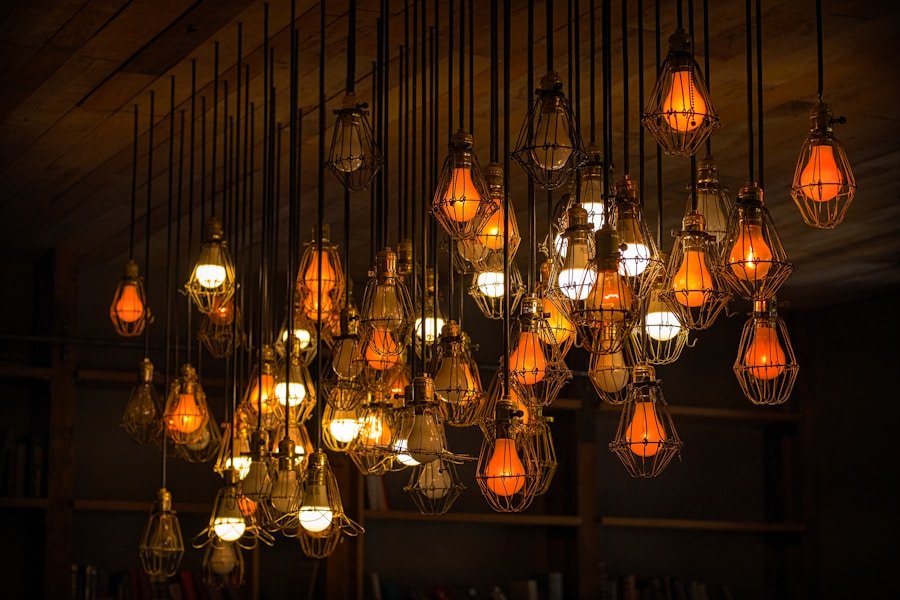
Another important consideration when choosing a light source is color temperature. Different light sources emit light with varying color temperatures, which can have a significant impact on the mood and atmosphere of a scene. For example, warm tungsten light can create a cozy and inviting ambiance, while cool fluorescent light can convey a sense of unease or detachment. Understanding how different light sources affect color temperature is essential for creating the desired emotional impact in a photograph or film.
In addition to these technical considerations, practical factors such as portability, power consumption, and cost should also be taken into account when choosing a light source. By carefully selecting the right light source for each specific situation, photographers and filmmakers can effectively create dramatic lighting that enhances the visual storytelling of their work.
Utilizing Shadows for Dramatic Effect
Shadows are an essential component of dramatic lighting, as they can add depth, mystery, and visual interest to a scene. By strategically positioning light sources to create strong shadows, photographers and filmmakers can evoke a sense of drama and intrigue in their images and films.
One effective way to utilize shadows for dramatic effect is by using hard, direct light to create sharp, defined shadows. This can add a sense of contrast and intensity to a scene, drawing attention to specific elements or creating a sense of tension. Alternatively, soft, diffused light can create more subtle and gradual shadows, which can be used to convey a sense of intimacy or tranquility.
Another technique for utilizing shadows is by incorporating negative space into the composition. By allowing areas of darkness to dominate the frame, photographers and filmmakers can create a sense of mystery and anticipation, inviting the viewer to fill in the gaps with their imagination. This can be particularly effective for creating a sense of suspense or unease in a scene.
By mastering the art of utilizing shadows for dramatic effect, photographers and filmmakers can add depth and complexity to their work, creating visually compelling images and films that resonate with viewers on an emotional level.
Creating Contrast for Impact
One of the key principles of dramatic lighting is creating contrast between light and shadow to add impact and visual interest to a scene. Contrast not only draws attention to specific elements within an image or film but also creates a sense of depth and dimension that can enhance the overall storytelling.
One effective way to create contrast is by using strong directional lighting to create sharp, defined shadows. This can add a sense of drama and intensity to a scene, drawing attention to specific elements or creating a sense of tension. Alternatively, using soft, diffused light can create more subtle contrasts, which can be used to convey a sense of tranquility or intimacy.
Another technique for creating contrast is by incorporating color into the lighting design. By using complementary colors or contrasting warm and cool tones, photographers and filmmakers can add visual interest and impact to their work. For example, using warm, golden light against cool, blue shadows can create a striking contrast that adds depth and dimension to an image or film.
By mastering the art of creating contrast through dramatic lighting, photographers and filmmakers can effectively draw attention to specific elements within their work, creating visually compelling images and films that resonate with viewers on an emotional level.
Using Color to Set the Mood
Color plays a crucial role in setting the mood and atmosphere of a scene, making it an essential element in creating dramatic lighting. By understanding how different colors evoke specific emotions and associations, photographers and filmmakers can effectively use color to enhance the visual storytelling of their work.
Warm colors such as reds, oranges, and yellows are often associated with feelings of warmth, comfort, and energy. They can be used to create a sense of intimacy or excitement in a scene, drawing the viewer’s eye to specific elements or adding a sense of vibrancy to an image or film. On the other hand, cool colors such as blues, greens, and purples are often associated with feelings of calmness, tranquility, and detachment. They can be used to create a sense of mystery or unease in a scene, adding depth and complexity to the visual storytelling.
In addition to these psychological associations, color temperature also plays a crucial role in setting the mood of a scene. Warm color temperatures can create a cozy and inviting ambiance, while cool color temperatures can convey a sense of detachment or unease. By carefully selecting and manipulating color in their lighting design, photographers and filmmakers can effectively set the mood and atmosphere of their work, enhancing the emotional impact on viewers.
Experimenting with Angles and Positioning
Experimenting with different angles and positioning of light sources is essential for creating dynamic and visually compelling dramatic lighting. By carefully considering the placement of light sources in relation to the subject and camera position, photographers and filmmakers can effectively manipulate shadows and highlights to enhance the visual storytelling of their work.
One effective technique for experimenting with angles is by using side lighting to create strong shadows that add depth and dimension to a scene. This can be particularly effective for creating a sense of drama or intensity in an image or film. Alternatively, using back lighting can create silhouettes that add mystery and intrigue to a scene, drawing attention to specific elements or adding visual interest.
Another important consideration when experimenting with angles is the position of the light source in relation to the camera. By carefully positioning light sources at different angles in relation to the camera position, photographers and filmmakers can create unique perspectives that add visual interest and impact to their work. For example, using low-angle lighting can create dramatic shadows that add depth and intensity to a scene, while high-angle lighting can create soft, diffused shadows that convey a sense of tranquility or intimacy.
By mastering the art of experimenting with angles and positioning in their lighting design, photographers and filmmakers can effectively enhance the visual storytelling of their work, creating dynamic and visually compelling images and films that resonate with viewers on an emotional level.
Incorporating Props and Accessories for Added Drama
Incorporating props and accessories into a scene is an effective way to add drama and visual interest through dramatic lighting. By carefully selecting and positioning props within the frame, photographers and filmmakers can enhance the storytelling of their work while adding depth and complexity to their images or films.
One effective way to incorporate props for added drama is by using them as secondary light sources. For example, using reflective surfaces such as mirrors or metallic objects can bounce light onto specific areas within the frame, creating unique patterns or highlights that add visual interest and impact. Additionally, using props with translucent or textured surfaces can create interesting shadow patterns that add depth and dimension to a scene.
Another important consideration when incorporating props is their color and texture. By carefully selecting props with contrasting colors or textures, photographers and filmmakers can effectively add visual interest and impact to their work. For example, using props with bold colors against neutral backgrounds can draw attention to specific elements within the frame, while using props with interesting textures can add depth and complexity to an image or film.
By mastering the art of incorporating props for added drama in their lighting design, photographers and filmmakers can effectively enhance the visual storytelling of their work while adding depth and complexity to their images or films.

Other Articles