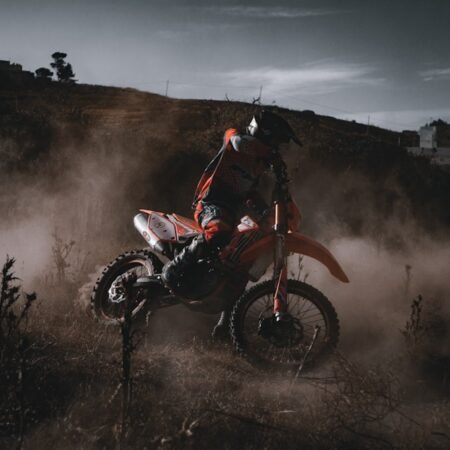

When it comes to sports photography, the quality of your lenses can make a significant difference in the outcome of your images. Quality lenses are essential for capturing fast-moving subjects with precision and clarity. They allow you to achieve sharp focus and capture the action in great detail, even from a distance. Whether you are shooting a football game, a track and field event, or a tennis match, having the right lenses can make all the difference in capturing those decisive moments that define the game.
Investing in quality lenses is crucial for sports photographers who want to produce professional-grade images. High-quality lenses offer superior optical performance, producing images with excellent sharpness, contrast, and color rendition. They also have faster and more accurate autofocus systems, allowing you to track and capture fast-moving subjects with ease. Additionally, quality lenses are built to withstand the rigors of sports photography, with weather-sealed construction and durable materials that can handle the demands of shooting in various outdoor conditions. Overall, quality lenses are an essential investment for sports photographers who want to elevate their work and capture stunning, high-quality images of athletic events.
Choosing the Right Camera Body for Sports Photography
In addition to quality lenses, choosing the right camera body is crucial for sports photography. The camera body plays a significant role in determining the overall performance and capabilities of your gear. When it comes to sports photography, there are several key factors to consider when selecting a camera body. One of the most important considerations is the camera’s autofocus system. A fast and accurate autofocus system is essential for capturing fast-moving subjects with precision and consistency. Look for a camera body with advanced autofocus capabilities, such as a high number of autofocus points, fast tracking speed, and reliable subject tracking algorithms.
Another important consideration when choosing a camera body for sports photography is its continuous shooting speed and buffer capacity. Sports photographers often need to capture rapid sequences of action, so having a camera body with a high continuous shooting speed and a large buffer capacity is essential for capturing those decisive moments. Additionally, consider the camera’s low-light performance, as many sports events take place in challenging lighting conditions. A camera body with excellent low-light performance will allow you to capture sharp and detailed images even in dimly lit environments. Overall, choosing the right camera body for sports photography is essential for achieving the best results and capturing stunning images of athletic events.
Essential Accessories for Sports Photography
In addition to quality lenses and a suitable camera body, there are several essential accessories that sports photographers should consider investing in to enhance their gear and improve their shooting experience. One of the most important accessories for sports photography is a high-quality camera bag or backpack. A well-designed camera bag will not only protect your gear but also provide convenient access to your equipment while shooting on location. Look for a bag with customizable compartments, padded dividers, and durable construction to keep your gear safe and organized during transport.
Another essential accessory for sports photography is a reliable camera strap or harness. When shooting fast-paced sporting events, it’s crucial to have a comfortable and secure way to carry your camera while on the move. A good camera strap or harness will distribute the weight of your gear evenly and provide quick access to your camera when you need to capture a fleeting moment. Additionally, consider investing in extra camera batteries and memory cards to ensure that you have enough power and storage capacity to last through a full day of shooting. Having spare batteries and memory cards on hand will allow you to keep shooting without interruption and capture all the action without missing a beat.
Other essential accessories for sports photography include lens filters for protecting your lenses from dust and moisture, a reliable tripod or monopod for stabilizing your shots, and a portable lighting kit for adding fill light when shooting in challenging lighting conditions. By investing in these essential accessories, sports photographers can enhance their gear and shooting experience, ensuring that they have everything they need to capture stunning images of athletic events with precision and creativity.
The Role of Tripods in Sports Photography
Tripods play a crucial role in sports photography, providing stability and support for capturing sharp and steady images of fast-moving subjects. While tripods may not always be practical for shooting dynamic sports events where mobility is key, they can be invaluable for certain types of sports photography, such as capturing static scenes or shooting from a fixed position. When using a tripod for sports photography, it’s important to choose a model that is sturdy, lightweight, and easy to set up and adjust on the fly.
One of the main benefits of using a tripod for sports photography is that it allows you to achieve maximum stability and precision when capturing images. A stable platform provided by a tripod can help eliminate camera shake and ensure that your images are tack-sharp, even when using longer telephoto lenses or shooting at slower shutter speeds. Additionally, using a tripod can free up your hands and allow you to focus on composition and framing without having to worry about holding the camera steady.
In addition to providing stability, tripods can also be useful for capturing panoramic or time-lapse shots of sporting events. By mounting your camera on a tripod, you can create stunning wide-angle views or capture the passage of time in a single frame, adding a unique perspective to your sports photography portfolio. Overall, while tripods may not always be practical for every type of sports photography, they can be an invaluable tool for achieving maximum stability and creative control when capturing images of athletic events.
Understanding the Importance of High-Speed Memory Cards
High-speed memory cards are essential for sports photographers who need to capture rapid sequences of action without missing a beat. When shooting fast-paced sporting events, having a memory card with fast read and write speeds is crucial for keeping up with the action and ensuring that you can capture every decisive moment. High-speed memory cards allow you to shoot continuous bursts of images at high frame rates without experiencing slowdowns or buffering issues, providing the reliability and performance needed to capture fast-moving subjects with precision.
In addition to fast read and write speeds, high-speed memory cards also offer ample storage capacity, allowing you to capture a large number of images without having to swap out cards frequently. This is particularly important when shooting long sporting events or tournaments where you need to capture thousands of images over the course of a day. Having enough storage capacity on your memory card will ensure that you can keep shooting without interruption and capture all the action without missing a single moment.
When choosing high-speed memory cards for sports photography, look for models with UHS-II or UHS-III bus interfaces, as these offer the fastest transfer speeds and performance capabilities. Additionally, consider investing in memory cards with robust build quality and durability to withstand the demands of shooting in various outdoor conditions. By understanding the importance of high-speed memory cards and investing in reliable models, sports photographers can ensure that they have the performance and reliability needed to capture stunning images of athletic events with confidence and precision.
The Benefits of Using Telephoto Lenses for Sports Photography
Telephoto lenses are essential tools for sports photographers who need to capture distant subjects with precision and detail. Whether you are shooting football from the sidelines, capturing track and field events from the stands, or photographing tennis matches from a distance, telephoto lenses allow you to get up close to the action and capture stunning images of athletic events with clarity and impact. One of the main benefits of using telephoto lenses for sports photography is their ability to bring distant subjects closer, allowing you to fill the frame with your subject and capture fine details with precision.
In addition to their reach, telephoto lenses also offer shallow depth of field capabilities, allowing you to isolate your subject from the background and create stunning bokeh effects that draw attention to the main focal point of your image. This can be particularly useful when shooting in crowded or cluttered environments where you need to separate your subject from distracting elements in the background. Additionally, telephoto lenses offer excellent compression effects, allowing you to create dynamic compositions that emphasize the sense of speed and movement in your images.
When choosing telephoto lenses for sports photography, consider factors such as focal length, maximum aperture, image stabilization capabilities, and build quality. Look for models with fast autofocus systems and reliable optical performance to ensure that you can capture sharp and detailed images of fast-moving subjects with ease. By understanding the benefits of using telephoto lenses for sports photography and investing in high-quality models, sports photographers can elevate their work and capture stunning images of athletic events with precision and creativity.
Tips for Packing and Transporting Your Sports Photography Gear
Packing and transporting your sports photography gear is an essential aspect of preparing for shooting on location at athletic events. Properly organizing and protecting your gear will ensure that you have everything you need to capture stunning images while keeping your equipment safe from damage during transport. When packing your gear for sports photography, consider investing in a high-quality camera bag or backpack with customizable compartments and padded dividers to keep your gear organized and protected.
When packing your camera bag or backpack, start by placing your camera body and lenses in separate compartments to prevent them from knocking against each other during transport. Use padded dividers or lens wraps to provide additional protection for your lenses and prevent them from getting scratched or damaged. Additionally, consider investing in protective cases or pouches for smaller accessories such as memory cards, batteries, lens filters, and cleaning supplies to keep them organized and easily accessible when needed.
When transporting your gear to sporting events, consider using a rolling camera bag or backpack with durable wheels for easy maneuverability through crowded venues or outdoor environments. This will allow you to transport your gear comfortably without straining your back or shoulders while navigating through busy crowds or uneven terrain. Additionally, consider investing in weather-resistant covers or protective cases for your camera bag or backpack to keep your gear safe from dust, moisture, and other environmental hazards while shooting on location.
Overall, by following these tips for packing and transporting your sports photography gear, you can ensure that you have everything you need to capture stunning images while keeping your equipment safe from damage during transport. Properly organizing and protecting your gear will allow you to focus on capturing the action without having to worry about the safety of your equipment while shooting on location at athletic events.
In conclusion, sports photography requires careful consideration of gear selection, including quality lenses, suitable camera bodies, essential accessories such as tripods and high-speed memory cards, as well as understanding the benefits of using telephoto lenses. Packing and transporting gear also play an important role in ensuring that photographers have everything they need while keeping their equipment safe from damage during transport. By investing in high-quality gear and following best practices for packing and transporting equipment, sports photographers can elevate their work and capture stunning images of athletic events with precision and creativity.