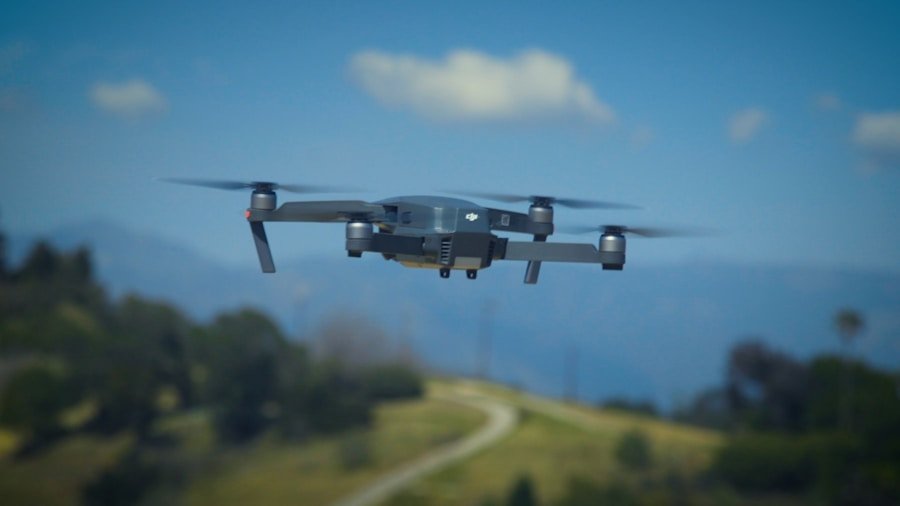

Drones have revolutionized the way filmmakers capture footage, offering unique perspectives and dynamic camera movements that were previously only possible with expensive equipment and extensive planning. With the advancement of technology, drones have become more accessible and affordable, making them an essential tool for filmmakers of all levels. Drones are equipped with high-quality cameras and stabilizing technology, allowing filmmakers to capture stunning aerial shots with ease. In addition to their versatility, drones are also capable of capturing time-lapse and hyperlapse shots, adding a new dimension to storytelling in film. As the use of drones in filmmaking continues to grow, it is important for filmmakers to understand the various ways in which drones can be utilized to enhance their craft.
Capturing Unique Perspectives with Drones
One of the most significant advantages of using drones in filmmaking is the ability to capture unique perspectives that were previously unattainable. Drones can fly at varying altitudes and angles, allowing filmmakers to capture breathtaking aerial shots that add depth and dimension to their storytelling. Whether it’s a sweeping landscape shot or a dynamic tracking shot through a cityscape, drones offer filmmakers the opportunity to capture footage that is visually stunning and immersive. Additionally, drones can be used to capture shots in hard-to-reach or dangerous locations, providing filmmakers with the flexibility to explore new creative possibilities. By utilizing drones to capture unique perspectives, filmmakers can elevate their storytelling and create a more engaging and visually compelling experience for their audience.
Enhancing Action Sequences with Aerial Footage
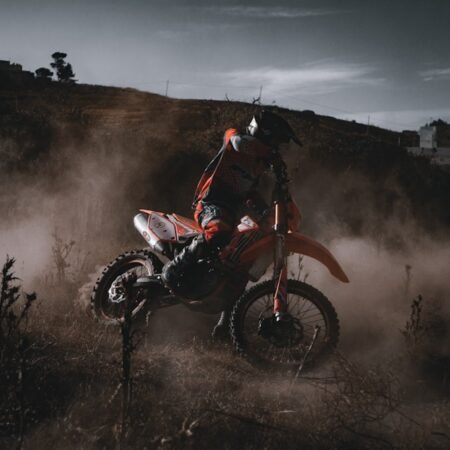
Action sequences in film often require dynamic and visually captivating shots to convey the intensity and excitement of the scene. Drones have become an invaluable tool for filmmakers when capturing action sequences, as they can provide aerial footage that adds a new level of excitement and energy to the scene. Whether it’s a high-speed chase or an intense battle sequence, drones can be used to capture dynamic aerial shots that immerse the audience in the action. By incorporating aerial footage into action sequences, filmmakers can create a more immersive and thrilling experience for their audience, ultimately enhancing the impact of the scene. Additionally, drones can be used to capture shots from unique angles and perspectives, adding a sense of scale and grandeur to the action sequences. With the use of drones, filmmakers can elevate their action sequences and create a more visually compelling and engaging experience for their audience.
Utilizing Drones for Time-Lapse and Hyperlapse Shots
Time-lapse and hyperlapse shots are a popular technique in filmmaking that allows filmmakers to condense time and create visually stunning sequences. Drones have become an essential tool for capturing time-lapse and hyperlapse shots, as they can provide stable and smooth footage from unique vantage points. Whether it’s capturing the movement of clouds or the hustle and bustle of a city, drones can be used to create captivating time-lapse and hyperlapse sequences that add a new dimension to storytelling in film. By utilizing drones for time-lapse and hyperlapse shots, filmmakers can create visually striking sequences that enhance the narrative and captivate the audience. Additionally, drones offer filmmakers the flexibility to capture time-lapse and hyperlapse shots in a variety of locations and environments, providing endless creative possibilities for storytelling.
Incorporating Drones for Cinematic Establishing Shots
Establishing shots are an essential element in filmmaking that set the stage for the narrative and provide context for the story. Drones have become an invaluable tool for capturing cinematic establishing shots, as they can provide sweeping aerial views that establish the setting and atmosphere of the film. Whether it’s a majestic mountain range or a bustling cityscape, drones can be used to capture establishing shots that immerse the audience in the world of the film. By incorporating drones for cinematic establishing shots, filmmakers can create a more immersive and visually compelling experience for their audience, ultimately setting the tone for the narrative. Additionally, drones offer filmmakers the flexibility to capture establishing shots from unique angles and perspectives, adding depth and dimension to the storytelling.
Creating Dynamic Camera Movements with Drones
Dynamic camera movements are an essential element in filmmaking that add energy and excitement to the visual storytelling. Drones have become an essential tool for creating dynamic camera movements, as they can provide smooth and stable footage from unique vantage points. Whether it’s a sweeping crane shot or a dynamic tracking shot, drones offer filmmakers the opportunity to capture visually stunning camera movements that elevate the storytelling. By utilizing drones for dynamic camera movements, filmmakers can create a more immersive and visually compelling experience for their audience, ultimately enhancing the impact of the narrative. Additionally, drones offer filmmakers the flexibility to explore new creative possibilities for camera movements, providing endless opportunities for storytelling.
Overcoming Challenges and Safety Considerations for Drone Filmmaking
While drones offer filmmakers endless creative possibilities, there are also challenges and safety considerations that must be taken into account when using drones for filmmaking. One of the primary challenges is navigating regulations and obtaining proper permits for drone use in various locations. Filmmakers must adhere to local laws and regulations regarding drone use, which can vary significantly from one location to another. Additionally, safety considerations are paramount when using drones for filmmaking, as they can pose potential risks to both people and property if not used responsibly. Filmmakers must prioritize safety when operating drones, ensuring that they are flown in a controlled manner and away from populated areas. By overcoming these challenges and prioritizing safety considerations, filmmakers can harness the full creative potential of drones while ensuring a safe and responsible filmmaking process.
In conclusion, drones have revolutionized the way filmmakers capture footage, offering unique perspectives and dynamic camera movements that were previously only possible with expensive equipment and extensive planning. From capturing unique perspectives to enhancing action sequences with aerial footage, drones have become an essential tool for filmmakers looking to elevate their storytelling and create visually compelling experiences for their audience. By understanding the various ways in which drones can be utilized in filmmaking and overcoming challenges and safety considerations, filmmakers can harness the full creative potential of drones while ensuring a safe and responsible filmmaking process. As technology continues to advance, drones will undoubtedly play an increasingly significant role in shaping the future of filmmaking, offering endless creative possibilities for storytellers around the world.