
A gimbal is a device used to stabilize and support a camera or other equipment. It consists of a pivoted support that allows the rotation of an object about a single axis. The primary purpose of a gimbal is to keep the camera steady and level, even when the operator is moving. This is achieved through the use of motors and sensors that detect and counteract any movement, resulting in smooth and stable footage. The three axes of a gimbal are the pan, tilt, and roll, which allow for movement in all directions while maintaining stability. The technology behind gimbals has advanced significantly in recent years, with the introduction of brushless motors and sophisticated algorithms that make them more effective than ever.
Gimbals work by using sensors to detect any movement or vibration and then using motors to counteract that movement, keeping the camera steady and level. This allows for smooth and stable footage, even when the operator is moving or walking. The three axes of a gimbal – pan, tilt, and roll – allow for movement in all directions while maintaining stability. The motors in a gimbal are powered by batteries, which can typically last for several hours of continuous use. Overall, gimbals are an essential tool for any videographer or filmmaker looking to capture professional-quality footage.
Top Features to Look for in a Gimbal
When choosing a gimbal, there are several key features to consider. Firstly, it’s important to look for a gimbal with a high payload capacity, as this will determine the weight of the camera and lens it can support. Additionally, a gimbal with multiple shooting modes, such as follow mode, lock mode, and POV mode, will provide greater versatility and creative freedom. Another important feature to look for is battery life, as longer battery life will allow for extended shooting sessions without needing to recharge. Furthermore, a gimbal with advanced stabilization algorithms and smooth motor movements will result in more professional-looking footage. Finally, consider the size and weight of the gimbal, as a compact and lightweight design will make it easier to transport and use on location.
In addition to payload capacity, shooting modes, battery life, stabilization algorithms, and size and weight, it’s also important to consider the compatibility of the gimbal with your camera and other equipment. Some gimbals are designed specifically for certain camera models, so be sure to check that your camera is compatible with the gimbal you choose. Additionally, look for gimbals with additional features such as wireless connectivity, remote control capabilities, and accessories like focus motors and external monitors. Finally, consider the build quality and durability of the gimbal, as a well-built and reliable gimbal will last longer and provide better performance over time. By considering these top features when choosing a gimbal, you can ensure that you find the best option for your specific needs and shooting style.
Comparison of the Best Gimbal Models on the Market
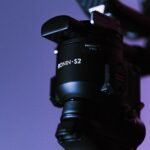
There are several top gimbal models on the market that offer a range of features and capabilities. The DJI Ronin-S is a popular choice for professional videographers, offering a high payload capacity of 8 pounds and up to 12 hours of battery life. It also features advanced stabilization algorithms and multiple shooting modes for versatile use. The Zhiyun Crane 3S is another top contender, with a massive 14.3-pound payload capacity and an ergonomic design for comfortable use over long periods. It also offers wireless image transmission and remote control capabilities for added convenience.
For those looking for a more compact and lightweight option, the Feiyu AK2000S is a great choice, with a payload capacity of 4.85 pounds and up to 14 hours of battery life. It also features advanced stabilization algorithms and multiple shooting modes for creative flexibility. The Moza AirCross 2 is another top contender in the compact category, offering a payload capacity of 7 pounds and up to 12 hours of battery life. It also features an innovative foldable design for easy transport and storage.
Understanding the Different Types of Gimbals
There are several different types of gimbals available, each with its own unique features and capabilities. The most common type is the handheld gimbal, which is designed to be held by the operator while shooting. Handheld gimbals are typically used for run-and-gun shooting scenarios and provide maximum flexibility and mobility. Another type is the wearable gimbal, which is designed to be worn on the body or attached to clothing or gear. Wearable gimbals are often used for action sports and adventure filming, providing stable footage while allowing the operator to move freely.
A third type is the drone gimbal, which is specifically designed to be mounted on a drone for aerial photography and videography. Drone gimbals are lightweight and compact, allowing for smooth and stable footage from the air. Finally, there are also specialized gimbals designed for specific types of cameras or equipment, such as smartphone gimbals or action camera gimbals. By understanding the different types of gimbals available, you can choose the best option for your specific shooting needs and preferences.
Tips for Choosing the Right Gimbal for Your Needs
When choosing a gimbal, it’s important to consider your specific shooting needs and preferences in order to find the best option. Firstly, consider the type of camera or equipment you will be using with the gimbal, as this will determine the payload capacity required. Additionally, think about the shooting scenarios you will be using the gimbal in, such as run-and-gun filming or aerial photography, as this will influence the size and weight of the gimbal needed. Furthermore, consider any additional features or accessories you may need, such as wireless connectivity or remote control capabilities.
It’s also important to consider your budget when choosing a gimbal, as prices can vary significantly depending on the features and capabilities offered. Finally, read reviews and compare different models to find the best option for your specific needs. By following these tips when choosing a gimbal, you can ensure that you find the best option for your specific shooting style and requirements.
How to Use a Gimbal to Capture Stunning Footage
Using a gimbal to capture stunning footage requires some skill and practice in order to achieve professional-looking results. Firstly, it’s important to balance the camera properly on the gimbal to ensure smooth and stable movement. This can be achieved by adjusting the position of the camera on the mounting plate and fine-tuning the balance using the adjustment knobs on the gimbal. Additionally, it’s important to familiarize yourself with the different shooting modes and controls on the gimbal in order to achieve different creative effects.
When using a gimbal, it’s important to move smoothly and steadily in order to achieve professional-looking footage. Avoid jerky movements or sudden changes in direction, as this can result in shaky or unstable footage. Additionally, practice using different shooting modes and techniques to achieve creative effects such as panning shots or tracking shots. By mastering these techniques and practicing regularly, you can use a gimbal to capture stunning footage that will impress your audience.
Maintenance and Care for Your Gimbal: Best Practices
Proper maintenance and care are essential for keeping your gimbal in good working condition and ensuring long-term performance. Firstly, it’s important to keep your gimbal clean and free from dust or debris that could affect its operation. Use a soft brush or compressed air to remove any dirt or particles from the motors and moving parts. Additionally, store your gimbal in a protective case or bag when not in use to prevent damage from bumps or impacts.
Regularly check for any signs of wear or damage on your gimbal, such as loose screws or worn-out parts, and address any issues promptly to prevent further damage. Finally, be sure to follow any manufacturer recommendations for maintenance and care in order to keep your gimbal in optimal condition. By following these best practices for maintenance and care, you can ensure that your gimbal continues to perform at its best for years to come.
In conclusion, gimbals are an essential tool for any videographer or filmmaker looking to capture professional-quality footage with smooth and stable movement. By understanding the different types of gimbals available and considering key features when choosing a gimbal, you can find the best option for your specific shooting needs and preferences. With proper maintenance and care, you can keep your gimbal in good working condition and ensure long-term performance. By mastering techniques for using a gimbal to capture stunning footage, you can achieve professional-looking results that will impress your audience.