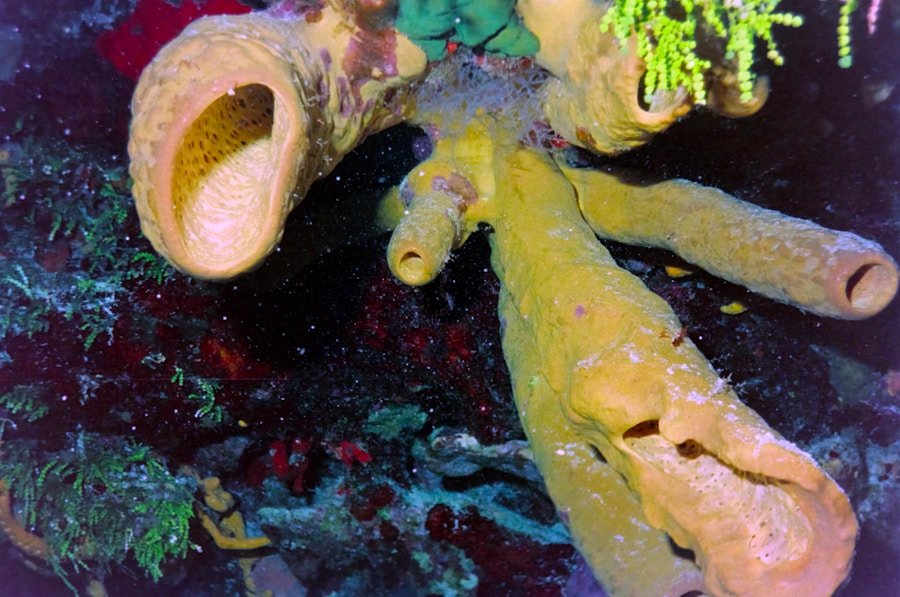

Underwater photography is a unique and challenging form of photography that requires a different set of skills and techniques compared to traditional photography. The most important aspect of underwater photography is understanding the environment in which you will be working. Underwater photography requires a good understanding of the physics of light and how it behaves in water. Water absorbs and scatters light, which affects the way colors appear and the overall visibility underwater. Understanding these principles is crucial for capturing vibrant and clear images.
Another important aspect of underwater photography is understanding the behavior of marine life. Different species of fish, coral, and other marine creatures have their own unique behaviors and habits, and understanding these can help you anticipate and capture stunning moments in your photographs. Additionally, understanding the technical aspects of your camera and equipment is crucial for successful underwater photography. Knowing how to operate your camera in manual mode, adjusting settings such as aperture, shutter speed, and ISO, and understanding how to use underwater housings and strobes are all essential skills for capturing high-quality underwater images.
Choosing the Right Equipment for Underwater Photography
Choosing the right equipment is crucial for successful underwater photography. The most important piece of equipment for underwater photography is a good quality camera and lens. There are specific cameras and lenses designed for underwater use, which are waterproof and can withstand the pressure of being submerged. These cameras also have features such as white balance adjustments and manual exposure controls that are essential for capturing high-quality underwater images.
In addition to a good quality camera and lens, other essential equipment for underwater photography includes a sturdy underwater housing to protect your camera from water damage, as well as underwater strobes or lights to provide adequate lighting in the dark underwater environment. It is also important to invest in a good quality dive computer or underwater GPS to help you navigate and locate specific dive sites. Finally, having a reliable underwater camera bag or case to transport and protect your equipment is essential for keeping your gear safe and secure during travel.
Mastering Lighting and Composition in Underwater Photography
Mastering lighting and composition is essential for creating stunning underwater photographs. Underwater photography presents unique challenges when it comes to lighting, as water absorbs and scatters light, resulting in reduced visibility and color distortion. To overcome these challenges, it is important to use artificial lighting such as strobes or lights to illuminate your subjects and bring out their natural colors. Positioning your lights at different angles can help create depth and dimension in your images, while using diffusers can help soften harsh shadows and create a more natural look.
Composition is another important aspect of underwater photography. When composing your shots, it is important to consider the unique characteristics of the underwater environment, such as the way light behaves, the movement of marine life, and the overall visibility. Using techniques such as leading lines, framing, and the rule of thirds can help create visually appealing compositions that draw the viewer’s eye to the main subject. Additionally, experimenting with different angles and perspectives can help create dynamic and interesting compositions that capture the beauty of the underwater world.
Techniques for Capturing Marine Life in Underwater Photography
Capturing marine life in underwater photography requires a combination of patience, skill, and knowledge of marine behavior. One of the most important techniques for capturing marine life is to approach your subjects slowly and calmly, without making sudden movements that could startle or disturb them. This allows you to get closer to your subjects without causing them to flee, resulting in more intimate and detailed photographs.
Another important technique for capturing marine life is to use a fast shutter speed to freeze the movement of fast-moving subjects such as fish or sharks. This helps capture sharp and detailed images without motion blur. Additionally, using a wide-angle lens can help capture the expansive beauty of coral reefs and other underwater landscapes, while a macro lens can help capture intricate details of small marine creatures such as nudibranchs or seahorses.
Overcoming Challenges in Underwater Photography
Underwater photography presents a unique set of challenges that require patience, skill, and adaptability to overcome. One of the biggest challenges in underwater photography is dealing with low visibility and color distortion caused by water absorption and scattering light. To overcome this challenge, it is important to use artificial lighting such as strobes or lights to illuminate your subjects and bring out their natural colors. Additionally, using a red filter on your camera can help restore warm colors that are lost at depth, resulting in more vibrant and natural-looking images.
Another challenge in underwater photography is dealing with the unpredictable behavior of marine life. To overcome this challenge, it is important to approach your subjects slowly and calmly, without making sudden movements that could startle or disturb them. This allows you to get closer to your subjects without causing them to flee, resulting in more intimate and detailed photographs.
Editing and Post-Processing Tips for Underwater Photos
Editing and post-processing are essential steps in creating stunning underwater photographs. One of the most important aspects of editing underwater photos is color correction. Water absorbs and scatters light, resulting in reduced visibility and color distortion. To correct this, it is important to adjust the white balance, contrast, and saturation to bring out the natural colors of the underwater world.
Another important aspect of editing underwater photos is adjusting exposure and contrast to bring out details in shadowy areas and create a more balanced image. Additionally, using selective editing tools such as brushes or masks can help enhance specific areas of your image, such as brightening up a dark reef or bringing out the details in a colorful fish.
Tips for Safety and Conservation in Underwater Photography
Safety and conservation are important considerations when engaging in underwater photography. It is important to prioritize safety by ensuring that you are properly trained and certified in scuba diving before attempting underwater photography. Additionally, always dive with a buddy and follow proper diving protocols to ensure a safe and enjoyable experience.
Conservation is also an important aspect of underwater photography. It is important to respect the marine environment by avoiding touching or disturbing marine life, as well as being mindful of your impact on delicate ecosystems such as coral reefs. Additionally, participating in conservation efforts such as beach cleanups or supporting marine conservation organizations can help protect the underwater world for future generations to enjoy.
In conclusion, underwater photography is a challenging yet rewarding form of photography that requires a unique set of skills and techniques. By understanding the basics of underwater photography, choosing the right equipment, mastering lighting and composition, capturing marine life, overcoming challenges, editing and post-processing photos, and prioritizing safety and conservation, you can create stunning images that capture the beauty of the underwater world. With practice, patience, and a deep respect for the marine environment, you can become a skilled underwater photographer who captures the magic of the ocean for all to see.