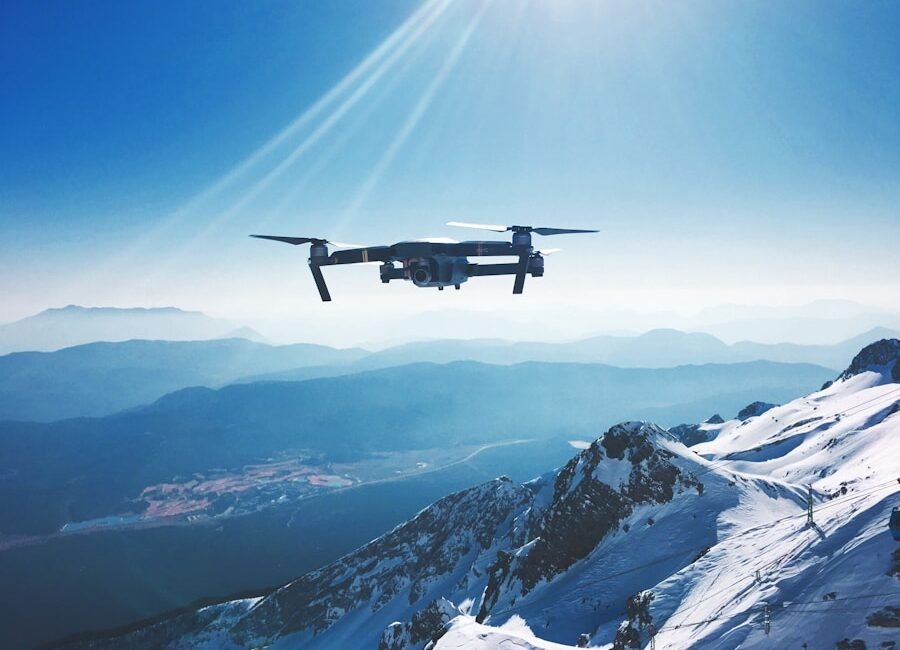

When it comes to landscape photography, choosing the right drone is crucial. There are a variety of drones on the market, each with its own set of features and capabilities. It’s important to consider factors such as camera quality, flight time, and stability when selecting a drone for aerial landscape photography. A drone with a high-quality camera will allow you to capture stunning, high-resolution images of the landscape below. Additionally, a longer flight time will give you more opportunities to explore and capture different angles and perspectives. Stability is also key, as it will ensure that your photos are sharp and clear, even in windy conditions.
Furthermore, it’s important to consider the size and weight of the drone, as well as its portability. A smaller, lightweight drone will be easier to transport and maneuver, making it ideal for capturing landscapes in remote or hard-to-reach locations. Additionally, look for drones with advanced features such as obstacle avoidance and GPS capabilities, which will help you navigate and capture images safely and accurately. Ultimately, choosing the right drone for landscape photography is a balance of camera quality, flight time, stability, and portability.
Understanding the Basics of Aerial Photography
Aerial photography is a unique and exciting form of photography that allows you to capture landscapes from a bird’s-eye view. Understanding the basics of aerial photography is essential for capturing stunning landscape images from above. One of the key elements of aerial photography is perspective. By shooting from above, you can capture landscapes in a way that is not possible from the ground, providing a fresh and unique perspective. Additionally, understanding how to control the altitude, angle, and direction of the drone will allow you to compose and frame your shots effectively.
Another important aspect of aerial photography is mastering the use of the drone’s camera settings. Understanding how to adjust settings such as ISO, shutter speed, and aperture will allow you to capture sharp, well-exposed images in a variety of lighting conditions. Additionally, learning how to use features such as HDR and panorama mode will help you capture stunning, dynamic landscape images from above. Overall, understanding the basics of aerial photography is essential for capturing breathtaking landscape images from a new and exciting perspective.
Finding the Perfect Location for Aerial Landscape Photography
Finding the perfect location for aerial landscape photography is essential for capturing stunning and unique images from above. When scouting for locations, consider factors such as natural beauty, interesting terrain, and accessibility. Look for landscapes with diverse features such as mountains, rivers, forests, and coastlines, as these elements will add depth and interest to your aerial photos. Additionally, consider the time of day and weather conditions when planning your aerial photography outings. The golden hours of sunrise and sunset often provide the best lighting for capturing landscapes, while clear skies and calm winds will ensure optimal conditions for flying and photographing with your drone.
Furthermore, consider the accessibility of the location when planning your aerial photography outings. Look for areas that are easily accessible by foot or vehicle, as well as those that allow for safe and legal drone flight. Additionally, consider seeking out lesser-known or off-the-beaten-path locations to capture unique and less-photographed landscapes from above. Ultimately, finding the perfect location for aerial landscape photography is a balance of natural beauty, interesting terrain, accessibility, and optimal lighting and weather conditions.
Mastering Composition and Framing
Mastering composition and framing is essential for capturing compelling and visually striking aerial landscape photos. When composing your shots from above, consider elements such as leading lines, symmetry, and balance to create visually appealing images. Look for natural features such as rivers, roads, or mountain ridges to use as leading lines that draw the viewer’s eye into the scene. Additionally, seek out symmetrical or balanced compositions that create a sense of harmony and order within the frame.
Furthermore, consider the rule of thirds when framing your aerial landscape photos. By placing key elements such as mountains or bodies of water along the intersecting points of the grid, you can create a sense of balance and visual interest within your images. Additionally, experiment with different angles and perspectives when composing your shots from above. By adjusting the altitude and direction of your drone, you can capture unique and dynamic compositions that showcase the landscape in new and interesting ways. Ultimately, mastering composition and framing is essential for creating visually striking aerial landscape photos that captivate and engage the viewer.
Utilizing Natural Light to Enhance Your Landscape Photos
Utilizing natural light is essential for enhancing your aerial landscape photos and capturing stunning images from above. The quality and direction of light can dramatically impact the mood and atmosphere of your photos, so it’s important to consider factors such as time of day, weather conditions, and the position of the sun when planning your aerial photography outings. The golden hours of sunrise and sunset often provide the best lighting for capturing landscapes from above, as the warm, soft light creates a sense of depth and dimension within the scene.
Additionally, consider how different weather conditions can impact the lighting and atmosphere of your aerial landscape photos. Cloudy or overcast skies can create soft, diffused light that adds a sense of drama and mood to your images, while clear skies can provide bright, even lighting that showcases the natural beauty of the landscape below. Furthermore, consider the position of the sun when planning your aerial photography outings. Shooting with the sun at your back can illuminate the landscape below and create vibrant colors and contrast within your photos. Ultimately, utilizing natural light is essential for enhancing your aerial landscape photos and capturing stunning images from above.
Editing and Enhancing Aerial Landscape Photos
Editing and enhancing your aerial landscape photos is an important step in creating stunning and impactful images from above. When editing your aerial photos, consider factors such as exposure, color balance, and contrast to enhance the visual impact of your images. Adjusting exposure can help bring out details in shadows or highlights within your photos, while adjusting color balance can help create a more natural and vibrant look within your images.
Additionally, consider using editing tools such as saturation, vibrance, and clarity to enhance the colors and details within your aerial landscape photos. By adjusting these settings, you can create images that are visually striking and impactful while still maintaining a natural and realistic look. Furthermore, consider using tools such as cropping or straightening to refine the composition and framing of your aerial photos. By making subtle adjustments to the composition or alignment of your images, you can create visually balanced and compelling photos that draw the viewer’s eye into the scene.
Ultimately, editing and enhancing your aerial landscape photos is an important step in creating stunning images that captivate and engage the viewer. By carefully adjusting exposure, color balance, contrast, and composition, you can create visually striking aerial photos that showcase the natural beauty of the landscape from above.
Respecting Drone Laws and Regulations for Landscape Photography
Respecting drone laws and regulations is essential for conducting safe and legal aerial landscape photography. Before flying your drone in any location, it’s important to research and understand local laws and regulations regarding drone flight. Many areas have specific rules regarding where drones can be flown, as well as altitude restrictions and no-fly zones that must be adhered to. Additionally, some areas may require permits or permission from local authorities before flying a drone for photography purposes.
Furthermore, it’s important to consider factors such as privacy and safety when flying a drone for landscape photography. Always respect the privacy of others when flying your drone in public spaces or near residential areas. Additionally, be mindful of potential hazards such as power lines or wildlife when flying your drone in natural landscapes. By following local laws and regulations regarding drone flight and respecting the privacy and safety of others, you can conduct safe and responsible aerial landscape photography that complies with legal requirements.
In conclusion, aerial landscape photography offers a unique perspective on the natural world that is both captivating and visually striking. By choosing the right drone for landscape photography, understanding the basics of aerial photography, finding the perfect location for aerial landscape photography, mastering composition and framing, utilizing natural light to enhance your landscape photos, editing and enhancing aerial landscape photos, and respecting drone laws and regulations for landscape photography, you can capture stunning images that showcase the beauty of the natural world from above. With careful planning, technical skill, and creative vision, aerial landscape photography offers endless opportunities for capturing breathtaking images that inspire awe and appreciation for our planet’s natural beauty.