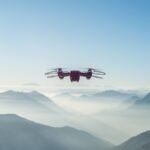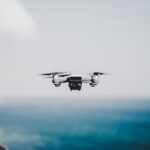

Drone photography has become increasingly popular in recent years, thanks to the advancements in technology and the accessibility of drones to the general public. Understanding the basics of drone photography is essential for capturing stunning aerial shots. Firstly, it’s important to familiarize yourself with the different types of drones available on the market, as well as their respective features and capabilities. Additionally, understanding the rules and regulations surrounding drone usage in your area is crucial to ensure that you are flying your drone legally and safely.
Furthermore, mastering the controls of your drone is essential for capturing high-quality aerial images. This includes understanding how to maneuver the drone in different directions, as well as how to adjust the altitude and speed of the drone. Additionally, understanding the basics of photography, such as composition, lighting, and framing, is crucial for capturing visually appealing aerial shots. By combining these fundamental skills with the unique perspective that drones offer, you can create breathtaking images that stand out from traditional ground-level photography.
Mastering Composition and Framing
Composition and framing are essential elements of photography, and they are equally important when it comes to drone photography. When capturing aerial shots, it’s important to consider the overall composition of the image, including the placement of key elements within the frame. One technique to consider is the rule of thirds, which involves dividing the frame into nine equal parts and placing key elements along the intersecting lines or at their intersections. This can create a more visually appealing and balanced composition.
Additionally, framing plays a crucial role in drone photography, as it helps to draw the viewer’s eye towards the main subject of the image. When framing aerial shots, it’s important to consider the surrounding landscape and how it can be used to frame the subject. This can include using natural elements such as trees or buildings to create a frame within the image, or using leading lines to guide the viewer’s eye towards the main subject. By mastering composition and framing techniques, you can elevate your drone photography and create images that are visually captivating and engaging.
Utilizing Advanced Camera Settings and Modes
In order to capture high-quality aerial shots, it’s important to familiarize yourself with the advanced camera settings and modes available on your drone. This includes understanding how to adjust settings such as ISO, shutter speed, and aperture to achieve the desired exposure and depth of field in your images. Additionally, familiarizing yourself with different shooting modes, such as manual mode, automatic mode, and various scene modes, can help you achieve different effects and styles in your aerial photography.
Furthermore, understanding how to use features such as HDR (High Dynamic Range) and RAW format can help you capture more detail and dynamic range in your aerial images. HDR mode allows you to capture a wider range of tones in a scene, while shooting in RAW format gives you more flexibility in post-processing and editing. By utilizing advanced camera settings and modes, you can take your drone photography to the next level and capture stunning aerial images with greater control and precision.
Experimenting with Different Perspectives and Angles
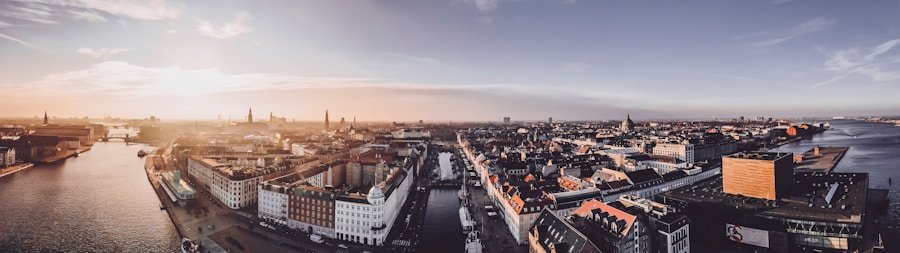
One of the key advantages of drone photography is the ability to capture unique perspectives and angles that are not possible with traditional ground-level photography. By experimenting with different perspectives and angles, you can create visually striking images that offer a fresh and captivating view of the world from above. This can include capturing top-down shots that showcase patterns and textures on the ground, as well as low-angle shots that provide a more immersive and dynamic view of the landscape.
Additionally, experimenting with different camera angles can help you create more visually interesting compositions and add depth to your aerial images. This can include tilting the camera to create diagonal lines or using the drone’s altitude to capture images from varying heights. By exploring different perspectives and angles in your drone photography, you can push the boundaries of traditional photography and create images that are truly unique and captivating.
Incorporating Creative Editing and Post-Processing Techniques
Once you have captured your aerial images, incorporating creative editing and post-processing techniques can help you enhance the visual impact of your photos. This can include adjusting elements such as exposure, contrast, and color balance to achieve a desired look and feel in your images. Additionally, experimenting with creative effects such as black and white conversion, selective colorization, or adding textures can help you create more visually compelling and artistic aerial shots.
Furthermore, utilizing advanced editing tools such as Adobe Photoshop or Lightroom can give you greater control over fine-tuning your aerial images. This can include removing distractions or imperfections from the image, as well as adding creative enhancements such as lens flares or light leaks. By incorporating creative editing and post-processing techniques into your drone photography workflow, you can elevate your images to new heights and create visually stunning aerial shots that leave a lasting impression on viewers.
Capturing Dynamic and Cinematic Shots
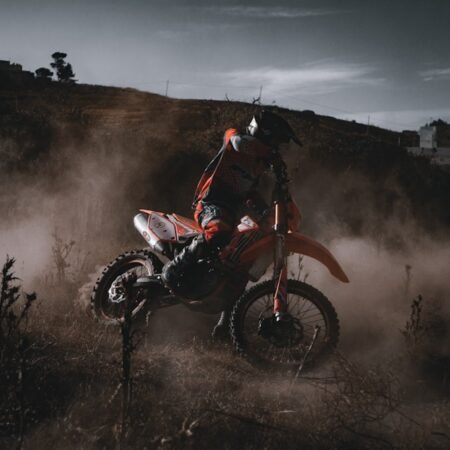
Capturing dynamic and cinematic shots with your drone requires a combination of technical skill and creative vision. One technique to consider is using motion in your aerial shots to create a sense of dynamism and energy. This can include capturing moving subjects such as vehicles or people, as well as using techniques such as panning or tracking to create a sense of movement in your images. Additionally, experimenting with different camera movements such as tilting or rotating the camera can help you create more visually dynamic and engaging aerial shots.
Furthermore, incorporating cinematic techniques such as establishing shots, tracking shots, or aerial dolly shots can help you create more immersive and visually compelling aerial footage. This can include capturing wide-angle shots that establish the setting or location of a scene, as well as using smooth camera movements to create a sense of fluidity and continuity in your aerial footage. By mastering these techniques, you can capture dynamic and cinematic shots with your drone that rival those seen in professional film productions.
Pushing the Limits with Aerial Photography Challenges
Pushing the limits with aerial photography challenges can help you expand your skills and creativity as a drone photographer. This can include setting specific goals or themes for your aerial photography projects, such as capturing unique perspectives of familiar landmarks or exploring new locations from above. Additionally, participating in aerial photography competitions or challenges can provide you with opportunities to showcase your work, receive feedback from peers, and push yourself to create more innovative and impactful aerial images.
Furthermore, pushing the limits with aerial photography challenges can also involve experimenting with new techniques or equipment to expand your creative possibilities. This can include using accessories such as filters or lenses to enhance the visual quality of your aerial shots, as well as exploring new genres of aerial photography such as night photography or long-exposure photography. By embracing challenges and pushing the limits in your aerial photography practice, you can continue to grow as a photographer and create images that are truly unique and inspiring.
In conclusion, mastering drone photography requires a combination of technical skill, creative vision, and a willingness to push the boundaries of traditional photography. By understanding the basics of drone photography, mastering composition and framing techniques, utilizing advanced camera settings and modes, experimenting with different perspectives and angles, incorporating creative editing and post-processing techniques, capturing dynamic and cinematic shots, and pushing the limits with aerial photography challenges, you can elevate your drone photography to new heights and create stunning aerial images that captivate viewers and leave a lasting impression. With dedication, practice, and a passion for creativity, you can unlock the full potential of drone photography and capture breathtaking images that showcase the world from a whole new perspective.