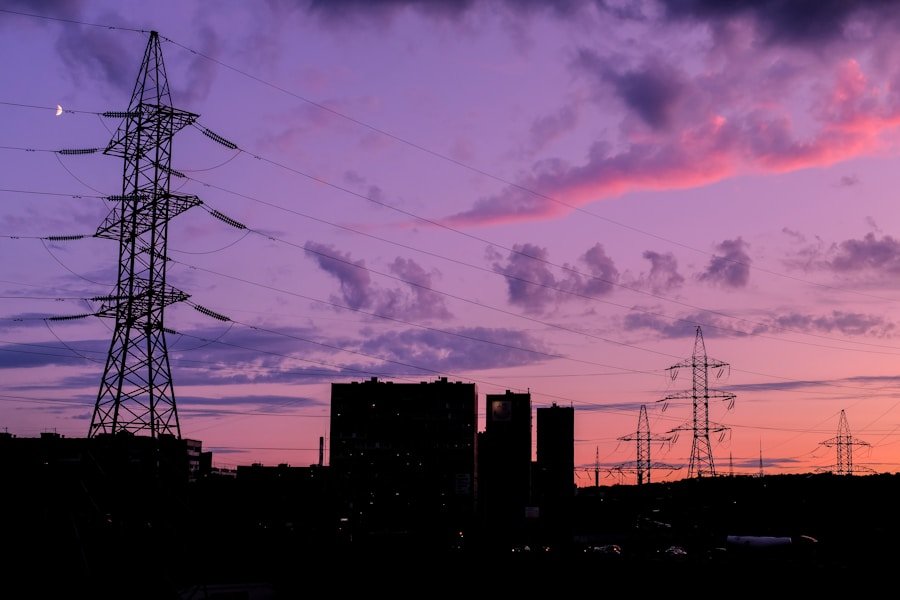

Composition is the arrangement of elements within a photograph to create a visually appealing and balanced image. It involves the use of various techniques such as framing, balance, symmetry, and perspective to guide the viewer’s eye and convey a specific message or emotion. Understanding the basics of composition is essential for any photographer looking to improve their skills and create impactful images.
One of the fundamental principles of composition is the rule of thirds, which involves dividing the frame into nine equal parts using two horizontal and two vertical lines. The main subject or focal point of the photograph is then placed along these lines or at their intersections, creating a more dynamic and visually interesting composition. Another important aspect of composition is leading lines, which are lines within the image that lead the viewer’s eye towards the main subject or focal point. By understanding these basic principles, photographers can create more compelling and engaging images.
Utilizing Grid Lines for Better Framing
Grid lines are a valuable tool for photographers looking to improve their framing and composition. Most modern cameras and smartphones have the option to display grid lines on the viewfinder or screen, making it easier for photographers to align their subjects and create more balanced and visually appealing images. By using grid lines, photographers can ensure that their subjects are placed in the most effective positions within the frame, leading to more impactful and engaging photographs.
Grid lines can also help photographers maintain straight horizons and vertical lines, reducing the need for post-processing corrections. This is particularly useful for landscape and architectural photography, where straight lines and horizons are essential for creating a sense of balance and symmetry within the image. By utilizing grid lines, photographers can improve their framing and composition, resulting in more professional-looking photographs.
Creating Balance and Symmetry with Grid Lines
Grid lines can be used to create balance and symmetry within a photograph, which is essential for creating visually appealing and impactful images. By aligning the main subject or focal point with the grid lines, photographers can create a sense of harmony and order within the frame. This can help draw the viewer’s eye towards the main subject and create a more cohesive and visually pleasing image.
In addition to creating balance and symmetry, grid lines can also be used to create a sense of depth within a photograph. By aligning leading lines with the grid lines, photographers can create a sense of perspective and dimension within the image, leading to more dynamic and engaging photographs. By understanding how to use grid lines effectively, photographers can create more visually compelling images that resonate with viewers.
Enhancing Depth and Perspective in Your Photos
Grid lines can be used to enhance depth and perspective in photographs, creating more dynamic and engaging images. By aligning leading lines with the grid lines, photographers can create a sense of depth within the image, drawing the viewer’s eye into the scene and creating a more immersive experience. This can be particularly effective in landscape photography, where creating a sense of depth can help convey the vastness and grandeur of the natural world.
In addition to enhancing depth, grid lines can also be used to create a sense of perspective within a photograph. By aligning converging lines with the grid lines, photographers can create a sense of distance and scale within the image, leading to more impactful and visually interesting photographs. By understanding how to use grid lines to enhance depth and perspective, photographers can create more compelling and immersive images that resonate with viewers.
Using Grid Lines to Align Horizons and Verticals
One of the most practical uses of grid lines in photography is to align horizons and verticals within the frame. By using grid lines, photographers can ensure that horizons are straight and vertical lines are upright, creating a more professional-looking image. This is particularly important in landscape and architectural photography, where straight horizons and verticals are essential for creating a sense of balance and symmetry within the image.
In addition to aligning horizons and verticals, grid lines can also be used to create more dynamic compositions by placing the main subject or focal point along the grid lines or at their intersections. This can help create a more visually interesting image that draws the viewer’s eye towards the main subject. By using grid lines to align horizons and verticals, photographers can create more professional-looking images that resonate with viewers.
Experimenting with Rule of Thirds and Golden Ratio
In addition to using grid lines, photographers can experiment with other composition techniques such as the rule of thirds and golden ratio to create more visually compelling images. The rule of thirds involves dividing the frame into nine equal parts using two horizontal and two vertical lines, with the main subject or focal point placed along these lines or at their intersections. This creates a more dynamic and visually interesting composition that draws the viewer’s eye towards the main subject.
The golden ratio is another composition technique that involves using a specific ratio (approximately 1:1.618) to create a visually pleasing and balanced image. By understanding how to use these composition techniques effectively, photographers can create more impactful and engaging images that resonate with viewers. Experimenting with different composition techniques can help photographers develop their own unique style and create more visually compelling images.
Incorporating Grid Lines in Different Photography Styles
Grid lines can be incorporated into different photography styles to improve framing and composition. Whether it’s landscape, portrait, architecture, or street photography, grid lines can help photographers create more balanced and visually appealing images. In landscape photography, grid lines can be used to align horizons and verticals, creating a sense of balance and symmetry within the image. In portrait photography, grid lines can be used to place the main subject or focal point along the grid lines or at their intersections, creating a more dynamic composition.
In architecture photography, grid lines can be used to ensure that straight lines are straight and verticals are upright, creating a more professional-looking image. In street photography, grid lines can be used to create a sense of depth and perspective within the image, drawing the viewer’s eye into the scene. By incorporating grid lines into different photography styles, photographers can improve their framing and composition, resulting in more impactful and visually compelling images.
In conclusion, understanding how to use grid lines effectively is essential for any photographer looking to improve their framing and composition. By utilizing grid lines, photographers can create more balanced and visually appealing images that resonate with viewers. Whether it’s aligning horizons and verticals, creating balance and symmetry, enhancing depth and perspective, or experimenting with different composition techniques, grid lines are a valuable tool for photographers looking to improve their skills and create more impactful images. By incorporating grid lines into different photography styles, photographers can develop their own unique style and create more visually compelling images that resonate with viewers.