
Manual mode on a camera allows the photographer to have complete control over the exposure settings, including shutter speed, aperture, and ISO. This means that the photographer is responsible for determining the correct exposure for a given scene, rather than relying on the camera’s automatic settings. Understanding the basics of manual mode is essential for any photographer who wants to take their skills to the next level.
In manual mode, the photographer must consider the three main exposure settings: shutter speed, aperture, and ISO. Shutter speed refers to the amount of time the camera’s shutter is open, allowing light to hit the camera’s sensor. Aperture refers to the size of the opening in the lens through which light passes. ISO refers to the sensitivity of the camera’s sensor to light. By adjusting these settings, the photographer can control the exposure of the image, as well as create creative effects such as motion blur or shallow depth of field.
Mastering Exposure Settings
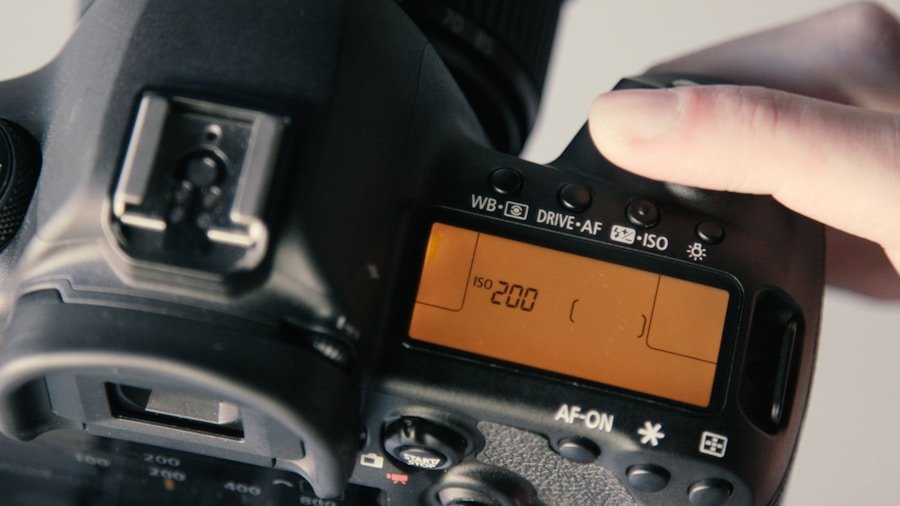
Mastering exposure settings is crucial for achieving the desired look in a photograph. Shutter speed, aperture, and ISO all play a role in determining the exposure of an image, and understanding how they work together is essential for achieving the perfect exposure. Shutter speed controls the amount of time that light is allowed to hit the camera’s sensor, and is measured in fractions of a second. A fast shutter speed can freeze motion, while a slow shutter speed can create motion blur. Aperture controls the amount of light that passes through the lens, and is measured in f-stops. A wide aperture (low f-stop number) allows more light to pass through, while a narrow aperture (high f-stop number) allows less light to pass through. ISO controls the sensitivity of the camera’s sensor to light, and is measured in numbers such as 100, 200, 400, and so on. A lower ISO is less sensitive to light, while a higher ISO is more sensitive to light.
By mastering exposure settings, a photographer can achieve the perfect exposure for any given scene, as well as create creative effects such as freezing motion or blurring motion. Understanding how shutter speed, aperture, and ISO work together is essential for achieving the desired look in a photograph.
Controlling Shutter Speed for Creative Effects
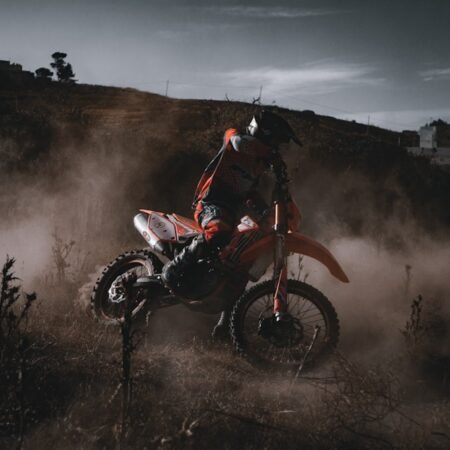
Controlling shutter speed is essential for achieving creative effects in photography. Shutter speed refers to the amount of time that the camera’s shutter is open, allowing light to hit the camera’s sensor. By controlling the shutter speed, a photographer can freeze motion or create motion blur in their images. A fast shutter speed (such as 1/500 or 1/1000 of a second) can freeze motion, allowing for sharp images of moving subjects such as sports or wildlife. On the other hand, a slow shutter speed (such as 1/30 or 1 second) can create motion blur, adding a sense of movement and dynamism to an image.
Controlling shutter speed allows a photographer to have creative control over how motion is captured in their images. By understanding how different shutter speeds affect the look of an image, a photographer can achieve the desired creative effects in their photographs.
Adjusting Aperture for Depth of Field
Adjusting aperture is crucial for controlling depth of field in photography. Aperture refers to the size of the opening in the lens through which light passes, and is measured in f-stops. A wide aperture (such as f/2.8 or f/4) creates a shallow depth of field, meaning that only a small portion of the image will be in focus while the rest will be blurred. This can be used to isolate a subject from its background and create a sense of depth in an image. On the other hand, a narrow aperture (such as f/11 or f/16) creates a deep depth of field, meaning that most or all of the image will be in focus. This can be used to capture landscapes or scenes where everything needs to be sharp and in focus.
By adjusting aperture, a photographer can control how much of an image is in focus, allowing for creative control over the look and feel of their photographs.
Utilizing ISO for Low Light Situations
Utilizing ISO is essential for capturing images in low light situations. ISO refers to the sensitivity of the camera’s sensor to light, and is measured in numbers such as 100, 200, 400, and so on. A higher ISO makes the sensor more sensitive to light, allowing for faster shutter speeds and smaller apertures in low light situations. However, a higher ISO also introduces more digital noise into an image, which can degrade image quality.
By utilizing ISO, a photographer can capture images in low light situations without having to sacrifice shutter speed or aperture. Understanding how different ISO settings affect image quality is essential for achieving the best results in low light photography.
Using Manual Mode for Creative Control
Using manual mode allows a photographer to have complete creative control over their images. By adjusting shutter speed, aperture, and ISO, a photographer can achieve the perfect exposure for any given scene, as well as create creative effects such as motion blur or shallow depth of field. Manual mode also allows for greater consistency in exposure across a series of images, as well as greater control over how motion is captured in an image.
By using manual mode, a photographer can take their skills to the next level and achieve the desired look in their photographs.
Tips for Practicing and Improving in Manual Mode
Practicing and improving in manual mode takes time and dedication. One tip for practicing in manual mode is to start with simple scenes and gradually work up to more complex ones. This will allow you to focus on mastering exposure settings without feeling overwhelmed by complicated compositions.
Another tip is to experiment with different creative effects such as motion blur or shallow depth of field. By practicing these techniques in different scenarios, you can gain a better understanding of how they work and when to use them.
Additionally, seeking feedback from other photographers can be helpful for improving in manual mode. By sharing your work with others and receiving constructive criticism, you can learn from your mistakes and continue to grow as a photographer.
In conclusion, mastering manual mode takes time and practice, but it is essential for achieving creative control over your images. By understanding exposure settings and how they work together, as well as practicing different techniques and seeking feedback from others, you can improve your skills and take your photography to new heights.