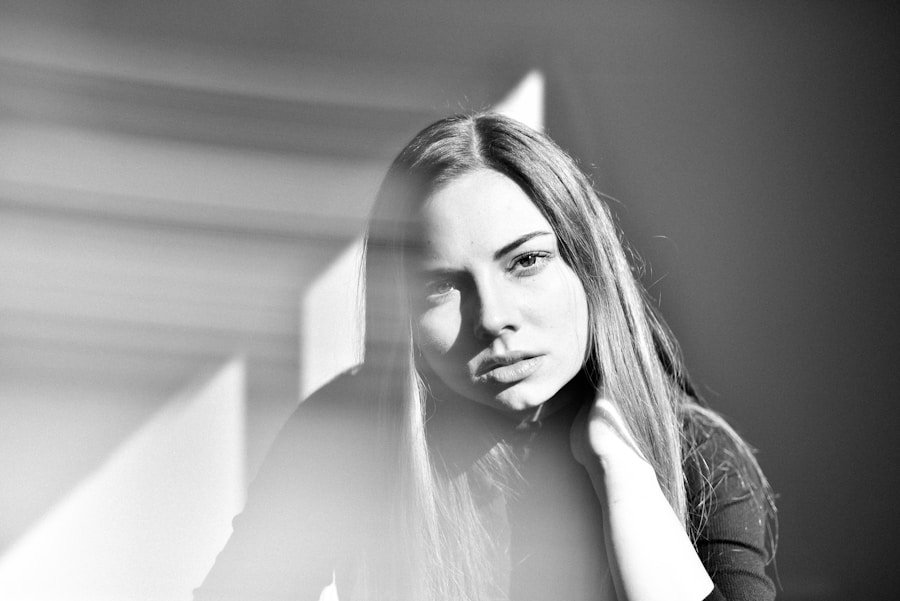

Composition and framing are essential elements in portrait photography. The way you frame your subject and compose the image can greatly impact the overall look and feel of the portrait. When it comes to composition, it’s important to consider the rule of thirds, leading lines, and negative space. The rule of thirds involves dividing the frame into nine equal parts using two horizontal and two vertical lines, and placing the subject at the intersection points. This creates a more balanced and visually appealing composition. Leading lines can be used to draw the viewer’s eye towards the subject, while negative space can be used to create a sense of balance and harmony in the image.
In addition to composition, framing is also crucial in portrait photography. The way you frame your subject can help to draw attention to the most important elements of the image. You can use natural elements such as trees, doorways, or windows to frame your subject, or you can use artificial elements such as arches or fences. By understanding composition and framing, you can create more compelling and visually interesting portraits that capture the essence of your subject.
Utilizing Natural Light and Artificial Lighting
Lighting is one of the most important aspects of portrait photography. Whether you’re shooting outdoors or in a studio, understanding how to utilize natural light and artificial lighting can make a huge difference in the quality of your portraits. When shooting outdoors, it’s important to pay attention to the direction and quality of the natural light. Soft, diffused light is often preferred for portraits as it creates a flattering and natural look. You can also use reflectors or diffusers to manipulate the natural light and create the desired effect.
In a studio setting, artificial lighting is often used to create a specific mood or look. There are various types of studio lights, including continuous lights and strobes, each with its own advantages and disadvantages. Understanding how to position and control artificial lighting can help you achieve the desired results in your portraits. Whether you’re using natural light or artificial lighting, it’s important to pay attention to the quality, direction, and intensity of the light to create stunning portraits that capture the essence of your subject.
Directing and Posing Your Subject
Directing and posing your subject is an essential skill for portrait photographers. The way you direct and pose your subject can greatly impact the overall look and feel of the portrait. When directing your subject, it’s important to communicate clearly and effectively to ensure that they understand what you’re looking for. You can use verbal cues, visual examples, or physical demonstrations to convey your ideas and guide your subject into the desired pose.
When it comes to posing, it’s important to consider the body language, facial expressions, and overall posture of your subject. You can use posing guides or prompts to help your subject feel more comfortable and confident in front of the camera. It’s also important to pay attention to the small details such as hand placement, head tilt, and eye contact to create a more natural and authentic look. By mastering the art of directing and posing your subject, you can create portraits that are both visually striking and emotionally engaging.
Selecting the Right Equipment and Lenses
Selecting the right equipment and lenses is crucial for capturing stunning portraits. The type of camera, lens, and other gear you use can greatly impact the quality of your images. When it comes to cameras, there are various options available, including DSLRs, mirrorless cameras, and even smartphones. Each type of camera has its own advantages and disadvantages, so it’s important to choose one that best suits your needs and preferences.
In addition to cameras, lenses are also an important consideration in portrait photography. The focal length of the lens can greatly impact the perspective and depth of field in your portraits. For example, a wide-angle lens can create a more dramatic and dynamic look, while a telephoto lens can compress the background and create a more flattering look for your subject. It’s important to understand the characteristics of different lenses and how they can be used to achieve different effects in your portraits. By selecting the right equipment and lenses, you can capture stunning portraits that showcase the beauty and personality of your subject.
Mastering Post-Processing Techniques
Post-processing is an essential part of portrait photography. Whether you’re shooting in RAW or JPEG format, understanding how to edit and enhance your images can greatly impact the final result. There are various post-processing techniques that can be used to improve the overall look and feel of your portraits, including color correction, skin retouching, and background manipulation.
Color correction involves adjusting the white balance, exposure, contrast, and saturation to create a more balanced and visually appealing image. Skin retouching can be used to remove blemishes, smooth out skin tones, and enhance facial features. Background manipulation involves removing distractions or adding creative elements to enhance the overall composition of the image. By mastering post-processing techniques, you can create stunning portraits that capture the essence of your subject while showcasing your unique style and vision.
Creating a Connection with Your Subject
Creating a connection with your subject is essential for capturing authentic and emotionally engaging portraits. Whether you’re photographing friends, family members, or clients, it’s important to establish a rapport and make them feel comfortable in front of the camera. Building trust and creating a relaxed atmosphere can help your subject feel more at ease and confident during the photo shoot.
One way to create a connection with your subject is by engaging in conversation and getting to know them on a personal level. By asking questions, listening attentively, and showing genuine interest in their stories and experiences, you can build a stronger connection that will translate into more authentic and meaningful portraits. It’s also important to provide clear direction and positive feedback throughout the photo shoot to help your subject feel more confident and empowered in front of the camera. By creating a connection with your subject, you can capture portraits that are not only visually stunning but also emotionally resonant.
Exploring Different Styles and Approaches to Portrait Photography
Portrait photography encompasses a wide range of styles and approaches, each with its own unique characteristics and visual language. Whether you prefer traditional portraiture, environmental portraits, candid shots, or conceptual imagery, there are endless possibilities for creative expression in portrait photography. It’s important to explore different styles and approaches to find what resonates with you personally and allows you to showcase your unique vision.
Traditional portraiture often involves capturing posed images in a studio setting with controlled lighting and background. Environmental portraits focus on capturing subjects within their natural surroundings, whether it’s at home, work, or in nature. Candid shots aim to capture spontaneous moments and genuine emotions without posing or directing the subject. Conceptual imagery involves creating portraits that convey a specific idea or theme through creative staging, props, or digital manipulation. By exploring different styles and approaches to portrait photography, you can expand your creative horizons and develop a signature style that sets you apart as a photographer.
In conclusion, portrait photography is a multifaceted art form that requires a combination of technical skill, creative vision, and emotional intelligence. By understanding composition and framing, utilizing natural light and artificial lighting, directing and posing your subject, selecting the right equipment and lenses, mastering post-processing techniques, creating a connection with your subject, and exploring different styles and approaches, you can capture stunning portraits that showcase the beauty and personality of your subjects while reflecting your unique style as a photographer. Whether you’re shooting professionally or for personal enjoyment, portrait photography offers endless opportunities for creative expression and storytelling. With dedication, practice, and an open mind, you can continue to grow as a portrait photographer and create images that resonate with both yourself and your audience.