
Nighttime urban photography presents a unique set of challenges that photographers must overcome in order to capture stunning images. One of the main challenges is the lack of natural light, which can make it difficult to properly expose a photo. Additionally, the presence of artificial light sources, such as street lamps and neon signs, can create harsh and unflattering lighting conditions. Another challenge is the potential for noise and grain in low-light situations, which can detract from the overall quality of the image. Furthermore, capturing nighttime urban scenes often requires long exposure times, which can lead to issues with camera shake and motion blur. Understanding these challenges is crucial for photographers looking to master the art of nighttime urban photography.
In addition to technical challenges, nighttime urban photography also presents logistical obstacles. For example, navigating crowded city streets and finding the perfect vantage point can be difficult, especially when working with bulky camera equipment. Additionally, safety concerns may arise when shooting in urban environments at night. It’s important for photographers to be aware of their surroundings and take necessary precautions to ensure their own well-being. By understanding and addressing these challenges, photographers can better prepare themselves for successful nighttime urban photography sessions.
Essential Camera Gear for Nighttime Urban Photography
When it comes to nighttime urban photography, having the right camera gear is essential for capturing high-quality images. One of the most important pieces of equipment is a camera with a high ISO range, as this will allow photographers to capture clear and detailed images in low-light conditions. Additionally, a fast lens with a wide aperture is crucial for maximizing the amount of available light and creating stunning bokeh effects. A sturdy tripod is also a must-have for nighttime urban photography, as it will help stabilize the camera and prevent motion blur during long exposure shots. Finally, a remote shutter release can be incredibly useful for minimizing camera shake and ensuring sharp images.
In addition to these essentials, photographers may also want to consider investing in a camera with good low-light performance and a high dynamic range. This will allow for greater flexibility in post-processing and help to minimize noise and grain in nighttime images. Additionally, carrying extra batteries and memory cards is important for extended shooting sessions, as well as a comfortable camera bag for transporting gear around the city. By investing in the right camera gear, photographers can set themselves up for success when shooting nighttime urban scenes.
Tripods and Stabilization Devices for Nighttime Urban Photography
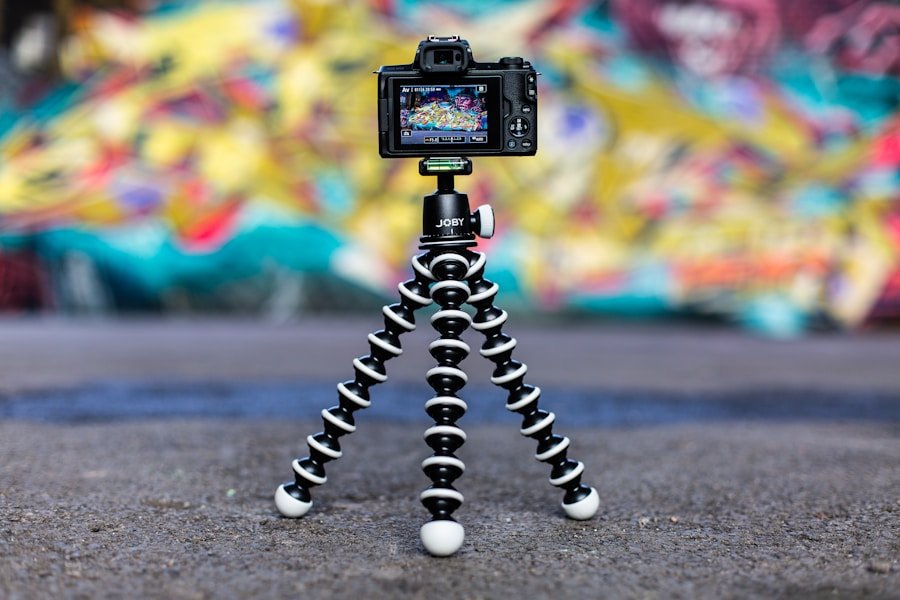
In the world of nighttime urban photography, tripods and stabilization devices are essential tools for capturing sharp and clear images. The long exposure times required for shooting in low-light conditions make it nearly impossible to handhold a camera without introducing motion blur. A sturdy tripod provides a stable platform for the camera, allowing photographers to achieve sharp images even with longer exposure times. When choosing a tripod for nighttime urban photography, it’s important to consider factors such as weight, height, and stability. Carbon fiber tripods are lightweight and durable, making them an ideal choice for photographers who need to move around the city with their gear.
In addition to tripods, photographers may also want to consider using other stabilization devices such as monopods or bean bags. Monopods are a great option for photographers who need to remain mobile while shooting, as they provide some stability without the bulk of a traditional tripod. Bean bags can be used to stabilize the camera on uneven surfaces or when shooting from a low angle. These devices can be especially useful when shooting in urban environments where space may be limited. By utilizing tripods and other stabilization devices, photographers can ensure that their nighttime urban images are sharp and free from motion blur.
Lighting Equipment for Nighttime Urban Photography
While natural and ambient light play a significant role in nighttime urban photography, photographers may also want to consider using additional lighting equipment to enhance their images. One popular option is an external flash or speedlight, which can be used to add fill light and create more dynamic lighting effects in urban scenes. By using off-camera flash techniques, photographers can control the direction and intensity of light, resulting in more creative and visually striking images. Another option is using continuous lighting sources such as LED panels or portable studio lights. These can be used to illuminate specific areas of a scene or create dramatic lighting effects in nighttime urban photography.
In addition to artificial lighting sources, photographers may also want to consider using light modifiers such as diffusers or reflectors to control and shape light in their images. Diffusers can soften harsh light and create more flattering portraits, while reflectors can bounce light onto a subject or scene to fill in shadows and add dimension. These tools can be especially useful when working with artificial light sources in urban environments. By incorporating lighting equipment into their nighttime urban photography workflow, photographers can elevate their images and create more visually compelling compositions.
Recommended Camera Settings for Nighttime Urban Photography
When it comes to capturing stunning nighttime urban photography, understanding and utilizing the right camera settings is crucial for achieving optimal results. One of the most important settings to consider is the ISO, which controls the sensitivity of the camera sensor to light. In low-light conditions, it’s often necessary to increase the ISO to capture properly exposed images without introducing excessive noise or grain. However, it’s important to find a balance between a high ISO for adequate exposure and a low ISO for minimal noise. Additionally, setting a wide aperture (low f-stop number) will allow more light to enter the camera and create a shallow depth of field, resulting in beautiful bokeh effects in nighttime urban scenes.
Another important consideration is the shutter speed, which determines how long the camera’s sensor is exposed to light. In nighttime urban photography, longer shutter speeds are often necessary to properly expose the scene and capture light trails or other motion effects. However, using longer shutter speeds can also introduce motion blur if the camera is not stabilized properly. This is where a sturdy tripod or other stabilization devices come into play. Finally, shooting in RAW format allows for greater flexibility in post-processing and helps to preserve image quality in low-light conditions. By understanding and implementing these recommended camera settings, photographers can maximize their chances of capturing stunning nighttime urban images.
Additional Accessories for Nighttime Urban Photography
In addition to essential camera gear and lighting equipment, there are several additional accessories that can enhance the quality and creativity of nighttime urban photography. One such accessory is a remote shutter release or intervalometer, which allows photographers to trigger the camera without physically touching it. This can be especially useful for long exposure shots or time-lapse sequences where even the slightest movement can introduce camera shake. Another useful accessory is a lens hood or lens filter, which can help reduce lens flare and ghosting caused by artificial light sources in urban environments.
Photographers may also want to consider carrying a flashlight or headlamp for navigating dark city streets and illuminating specific areas of a scene when composing their shots. Additionally, carrying lens cleaning supplies is important for keeping gear free from dust and smudges that can affect image quality in low-light conditions. Finally, investing in a good quality camera bag with padded compartments and comfortable straps is essential for transporting gear around the city safely and efficiently. By incorporating these additional accessories into their nighttime urban photography workflow, photographers can ensure that they are fully prepared for any shooting situation.
Tips for Creating Stunning Nighttime Urban Photography
Creating stunning nighttime urban photography requires more than just technical knowledge and equipment – it also requires creativity and vision. One tip for capturing compelling nighttime urban images is to scout locations during the day and plan out potential compositions in advance. This allows photographers to familiarize themselves with the area and identify interesting vantage points before returning at night to shoot. Additionally, paying attention to leading lines, reflections, and patterns in urban environments can help create visually dynamic compositions that draw viewers into the scene.
Another tip is to experiment with different perspectives and angles when shooting nighttime urban scenes. This could involve shooting from high vantage points such as rooftops or bridges, or getting down low to capture unique angles of buildings or street scenes. By exploring different viewpoints, photographers can discover new ways of seeing familiar urban landscapes and create more engaging images. Additionally, incorporating elements of movement such as light trails from passing cars or pedestrians can add energy and dynamism to nighttime urban photography.
Finally, post-processing plays a crucial role in enhancing nighttime urban images and bringing out their full potential. Utilizing software such as Adobe Lightroom or Photoshop allows photographers to fine-tune exposure, contrast, color balance, and noise reduction in their images. This can help bring out details in shadow areas, correct white balance issues caused by artificial lighting, and create a more polished final result. By following these tips and techniques for creating stunning nighttime urban photography, photographers can elevate their work and capture captivating images that showcase the beauty of cityscapes after dark.
In conclusion, mastering the art of nighttime urban photography requires an understanding of technical challenges, essential camera gear, lighting equipment, recommended camera settings, additional accessories, and creative tips for creating stunning images. By addressing these key aspects of nighttime urban photography, photographers can overcome obstacles and capture compelling images that showcase the unique beauty of cityscapes after dark. With the right knowledge, equipment, and creative vision, photographers can unlock endless possibilities for creating visually striking nighttime urban photography that captivates viewers and tells compelling stories about life in the city after sunset.