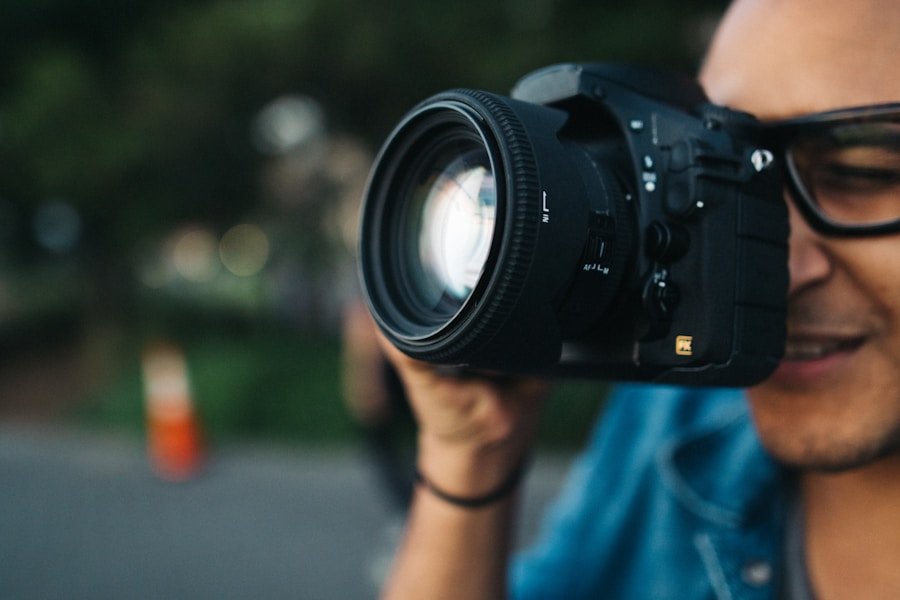

A versatile lens collection is a set of lenses that cover a wide range of focal lengths and are suitable for various types of photography. These lenses allow photographers to capture different perspectives, from wide-angle landscapes to telephoto portraits, and everything in between. A versatile lens collection typically includes wide-angle, standard, telephoto, and specialty lenses, providing photographers with the tools they need to create stunning images in any situation.
A versatile lens collection is essential for photographers who want to have the flexibility to capture a wide range of subjects and scenes. By having a variety of lenses at their disposal, photographers can adapt to different shooting conditions and achieve the desired results. Whether shooting landscapes, portraits, sports, or wildlife, a versatile lens collection ensures that photographers have the right tool for the job.
Choosing the Right Lenses for Your Photography Style
When building a versatile lens collection, it’s important to consider your photography style and the types of subjects you most often shoot. For landscape photographers, wide-angle lenses are essential for capturing the expansive beauty of nature. Portrait photographers may prefer standard lenses for their versatility and ability to produce flattering images of people. Sports and wildlife photographers often rely on telephoto lenses to bring distant subjects closer and capture fast-moving action.
In addition to considering your photography style, it’s also important to think about the technical aspects of lenses, such as aperture, focal length, and image stabilization. These factors can greatly impact the quality and versatility of your lens collection. By carefully evaluating your photography needs and researching different lens options, you can choose the right lenses to build a versatile collection that meets your specific requirements.
Wide Angle Lenses: Capturing the Big Picture
Wide-angle lenses are an essential part of a versatile lens collection, particularly for landscape and architectural photography. These lenses have a focal length of 35mm or less, allowing them to capture a broad field of view and emphasize the sense of space in a scene. Wide-angle lenses are ideal for capturing expansive landscapes, cityscapes, and interiors, as well as creating dramatic perspectives and unique compositions.
One of the key benefits of wide-angle lenses is their ability to create a sense of depth and scale in an image. By including more of the surrounding environment in the frame, wide-angle lenses can convey a greater sense of context and place, making them ideal for storytelling and documentary photography. Additionally, wide-angle lenses are often used for creative effects, such as exaggerating perspective or creating dynamic leading lines that draw the viewer’s eye into the image.
Standard Lenses: Versatility and Quality
Standard lenses, also known as normal or prime lenses, have a focal length that closely matches the human eye’s natural field of view. These lenses typically have a focal length of around 50mm, making them well-suited for a wide range of photography genres, including portraits, street photography, and everyday snapshots. Standard lenses are prized for their versatility, compact size, and high image quality, making them an essential addition to any versatile lens collection.
One of the main advantages of standard lenses is their ability to produce sharp, distortion-free images with natural-looking perspective and depth of field. These qualities make standard lenses ideal for capturing authentic and true-to-life images that accurately represent the scene as the human eye sees it. Additionally, standard lenses are often prized for their wide aperture capabilities, allowing photographers to achieve beautiful background blur and low-light performance.
Telephoto Lenses: Zooming in on the Details
Telephoto lenses are an essential part of a versatile lens collection, particularly for photographers who specialize in sports, wildlife, and portrait photography. These lenses have a long focal length (typically 70mm or longer), allowing them to bring distant subjects closer and capture fine details with precision. Telephoto lenses are prized for their ability to isolate subjects from their surroundings, compress perspective, and create stunning portraits with creamy background blur.
One of the key benefits of telephoto lenses is their ability to capture intimate details and fleeting moments from a distance. Whether photographing wildlife in its natural habitat or capturing candid moments at a sporting event, telephoto lenses allow photographers to get up close without disturbing their subjects. Additionally, telephoto lenses are often used to create compelling compositions by compressing distant elements in a scene and emphasizing patterns, textures, and layers.
Specialty Lenses: Adding Creativity to Your Collection
In addition to wide-angle, standard, and telephoto lenses, specialty lenses can add creativity and versatility to a photographer’s collection. Specialty lenses include macro lenses for close-up photography, fisheye lenses for extreme wide-angle perspectives, tilt-shift lenses for perspective control and creative effects, and more. These lenses offer unique capabilities that can expand a photographer’s creative vision and allow them to explore new genres and techniques.
Macro lenses are designed for capturing extreme close-up details of small subjects such as flowers, insects, and textures. These lenses have a 1:1 magnification ratio or greater, allowing photographers to capture intricate details that are invisible to the naked eye. Fisheye lenses, on the other hand, offer an ultra-wide field of view with extreme barrel distortion, creating surreal and exaggerated perspectives that can add drama and impact to an image.
Building Your Collection: Budget-Friendly Options and Must-Have Lenses
Building a versatile lens collection can be an expensive endeavor, but there are budget-friendly options available that can help photographers expand their collection without breaking the bank. One option is to consider purchasing used or refurbished lenses from reputable sources, which can offer significant cost savings without sacrificing quality or performance. Another option is to prioritize essential lenses that cover a wide range of focal lengths and shooting scenarios before investing in specialty or niche lenses.
When building a versatile lens collection on a budget, it’s important to prioritize must-have lenses that offer the most versatility and quality for your specific photography needs. For many photographers, this may include a wide-angle zoom lens (such as a 16-35mm), a standard prime lens (such as a 50mm f/1.8), and a telephoto zoom lens (such as a 70-200mm). These three lenses cover a broad range of focal lengths and shooting situations, making them essential building blocks for a versatile lens collection.
In conclusion, a versatile lens collection is an essential tool for photographers who want to have the flexibility to capture a wide range of subjects and scenes. By carefully choosing the right combination of wide-angle, standard, telephoto, and specialty lenses, photographers can build a collection that meets their specific photography style and creative vision. With budget-friendly options available and must-have lenses that offer versatility and quality, building a versatile lens collection is within reach for photographers at any level.